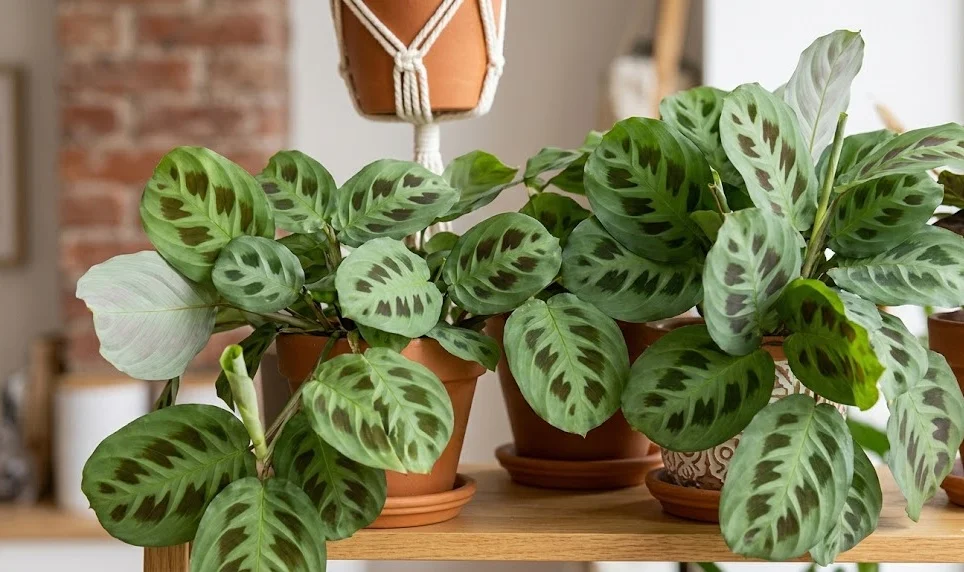

Understanding the specific light needs of the prayer plant is essential for maintaining its health and the vivid patterns of its foliage. In their native tropical environments, these plants grow under the dense canopy of the rainforest, where they are shielded from the direct rays of the sun. Translating this to a home environment requires finding a spot that provides plenty of brightness without the intensity that can damage delicate tissues. Mastering this balance is one of the most rewarding aspects of cultivating this beautiful species.
The quality of light directly affects the intensity of the green and dark spots on the leaves of this variety. If the light is too dim, the plant may lose its distinctive markings, and the new growth will often be small and sparse. Conversely, if the light is too strong, the colors can become bleached and washed out, losing the contrast that makes the plant so appealing. Finding the “sweet spot” of bright, indirect light is the key to a visually stunning specimen.
In addition to intensity, the duration of light exposure also plays a role in the plant’s daily rhythm and overall vigor. The plant uses light as a signal for its nyctinastic movements, folding its leaves upward as the light fades in the evening. A consistent light-dark cycle helps the plant maintain its natural biological clock and promotes healthy metabolic processes. Ensuring that the plant receives a steady amount of light each day is vital for its long-term success.
Gardeners must also be mindful of how light levels change throughout the seasons and within different areas of their homes. A window that provides perfect light in the spring might be too intense in the summer or too dark in the winter. Being prepared to move your plant or adjust its shading is part of being a responsive and successful caretaker. By paying close attention to the plant’s reactions, you can ensure it always has the optimal energy source it needs.
Optimal brightness for foliage
The ideal lighting for a prayer plant is often described as “bright, indirect light,” which can be found in several places in a typical home. A spot near a north-facing window is often perfect, as it provides consistent, gentle light throughout the day without any direct sun. East-facing windows can also work well, provided the plant is protected from the direct rays of the early morning sun by a sheer curtain. The goal is to provide enough light for photosynthesis without the heat and UV intensity of direct exposure.
More articles on this topic
If you have south or west-facing windows, you should place the plant several feet back from the glass to avoid the strongest afternoon rays. Using a sheer curtain or a partially closed blind can also help diffuse the light and create a safer environment for the plant. You want the plant to see the sky, but it should never be in a position where the sun’s rays are directly hitting its leaves. This filtered light mimics the dappled sunshine that reaches the forest floor in the wild.
In rooms with lower light levels, you can still grow a healthy prayer plant by utilizing reflective surfaces or white walls to maximize the available brightness. However, be aware that growth will be slower and the plant may become more “leggy” as it stretches toward the nearest light source. If the plant seems to be struggling in a dark corner, moving it just a meter closer to a window can often make a dramatic difference. Observation is your best tool for determining if the current brightness is sufficient.
Artificial lighting can also be used to supplement natural light, especially during the dark winter months or in rooms with small windows. Full-spectrum LED grow lights are an excellent choice because they provide the necessary wavelengths without generating excessive heat. Place the light about thirty to fifty centimeters above the plant and run it for ten to twelve hours a day to mimic a tropical day length. This consistent source of energy will help the plant maintain its color and growth even in less-than-ideal locations.
Signs of excessive light exposure
One of the most immediate signs that your plant is receiving too much light is the appearance of scorched or “burnt” patches on the leaves. These often look like dry, brown or papery spots that occur on the parts of the leaf most exposed to the sun. Unlike fungal spots, these marks will appear suddenly after a particularly sunny day and will not have a yellow halo. Once a leaf is scorched, the damage is permanent, so immediate action is needed to prevent further harm.
More articles on this topic
Another common reaction to excessive light is the fading or bleaching of the leaf colors. The vibrant contrast between the light green background and the dark green spots will diminish, leaving the plant looking dull and washed out. This is the plant’s way of protecting its chlorophyll from being overwhelmed by too much energy. If you notice your plant losing its characteristic beauty, it is a clear sign that you should move it to a more shaded location.
In very bright conditions, the plant may also try to protect itself by keeping its leaves folded or curled even during the day. This reduces the surface area exposed to the light and helps prevent excessive moisture loss through transpiration. While the movement is natural, doing it during the day indicates that the plant is under environmental stress. Moving the plant just a short distance into a softer light environment will usually cause the leaves to relax and flatten out.
If you suspect the light is too strong, you can use your hand to test the intensity at the plant’s location. If your hand casts a very sharp, dark shadow, the light is likely too direct and intense for a prayer plant. You should aim for a soft, blurry shadow, which indicates that the light is well-diffused and safe for the delicate foliage. Being proactive in recognizing these signals will save your plant from unnecessary stress and physical damage.
Solutions for low light environments
While the prayer plant can tolerate lower light levels than many other tropical species, it will not thrive in complete shade. If you notice that the stems are becoming very long and thin with large gaps between the leaves, the plant is “reaching” for more light. This leggy growth is a sign that the plant is struggling to produce enough energy to support a full and bushy habit. To correct this, you must gradually move the plant to a brighter location to allow it to adjust.
In very dark rooms, the soil will also take much longer to dry out, which increases the risk of over-watering and root rot. Because the plant’s metabolism is slower, it uses less water, and the lack of light reduces evaporation from the soil surface. You must be extra careful with your watering routine if you are keeping your plant in a low-light spot. Monitoring the moisture levels closely is essential for preventing the secondary problems that come with insufficient brightness.
Rotating your plant a quarter turn every week is a simple professional tip for ensuring even growth in lower light conditions. This prevents the plant from leaning too heavily in one direction and ensures that all the leaves have a chance to capture some energy. It also helps maintain the plant’s symmetrical shape and prevents it from becoming lopsided over time. This small maintenance task takes only a few seconds but significantly improves the long-term appearance of the plant.
If your home is naturally dark, consider grouping your prayer plant with other species that have similar light requirements. Sometimes, placing several plants together on a stand near a window can help them all benefit from the limited light available. Alternatively, you can rotate your plants between a brighter “recovery” room and their usual display spot every few weeks. This gives the plant a chance to recharge its energy reserves periodically while still allowing you to enjoy it in your preferred location.