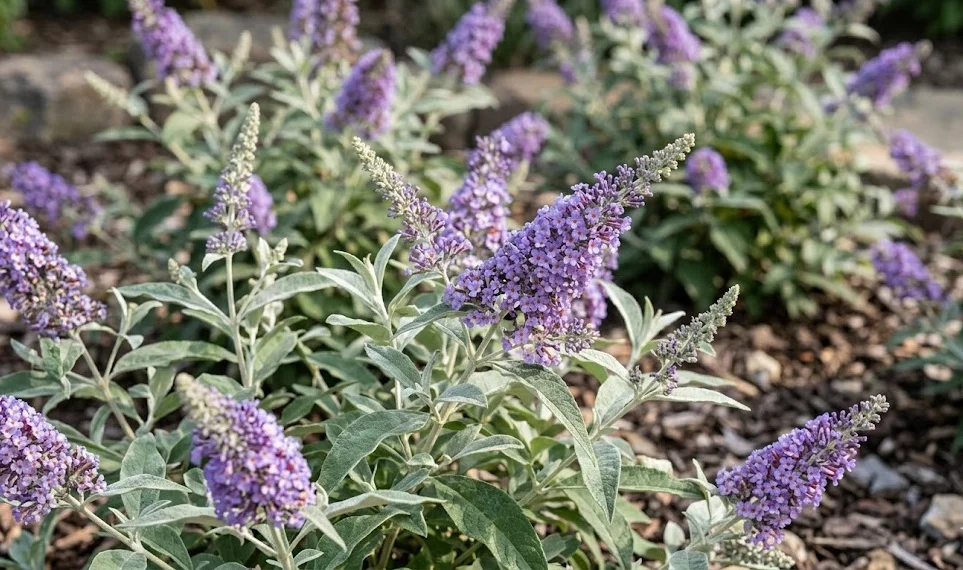

Proper hydration and nutrient management are the twin pillars of maintaining a healthy and vibrant Yunnan butterfly bush. This particular species, while relatively drought-tolerant once established, has specific needs that must be met to ensure it produces its signature silver foliage and abundant blooms. Professionals know that watering is not just about quantity, but also about timing and technique to avoid common pitfalls like root rot or fungal infections. By developing a consistent and informed approach to these tasks, you can support the plant’s natural vigor and enhance its beauty throughout the growing season.
The foundational rule for watering this shrub is to focus on the root zone rather than the foliage. Applying water directly to the base of the plant ensures that the moisture reaches the roots where it is needed most, while keeping the silver leaves dry. Wet leaves can become a breeding ground for mildew, especially in humid climates or when watering occurs late in the evening. A professional gardener always aims for deep, infrequent watering sessions that encourage the roots to grow deeper into the soil for long-term resilience.
Soil moisture should be monitored regularly, especially during periods of extreme heat or prolonged dry spells. You can check the moisture levels by inserting a finger a few inches into the soil; if it feels dry at that depth, it is time to provide a thorough soak. During the first two years after planting, the bush will require more frequent attention as it builds its root system. Once established, it can handle much longer periods without supplemental water, making it an excellent choice for water-wise landscapes.
The use of mulch is highly recommended as a professional strategy to conserve soil moisture and reduce the frequency of watering. A layer of organic material helps to keep the roots cool and prevents the sun from baking the surface of the earth. This practice not only saves water but also creates a more stable environment for the beneficial microorganisms that live in the soil. Consistent moisture levels, rather than a cycle of extreme wet and dry, are what this species needs to look its best.
Designing an effective fertilization schedule
Fertilizing the Yunnan butterfly bush requires a balanced approach to ensure steady growth without causing the plant to become overly lush and weak. This species is not a heavy feeder, and giving it too much nitrogen can lead to excessive foliage growth at the expense of its beautiful flowers. A professional fertilization plan begins in the early spring, just as the new growth starts to emerge from the dormant branches. Using a slow-release, balanced fertilizer provides a steady stream of nutrients that will last throughout the primary growing season.
More articles on this topic
It is often beneficial to supplement the soil with organic matter such as high-quality compost or well-aged manure. These natural amendments not only provide essential nutrients but also improve the overall structure and health of the soil. Applying a thin layer of compost around the drip line of the bush each spring is an excellent way to maintain long-term fertility. This organic approach mimics the natural cycle of nutrient recycling found in the plant’s native habitats in China.
During the peak of the flowering season, you might consider a light application of a fertilizer higher in phosphorus to support bloom production. However, it is crucial not to overdo this, as the plant is naturally inclined to flower well if its basic needs are met. Always follow the manufacturer’s instructions on the product label to avoid burning the delicate roots with too much chemical salts. A professional gardener knows that “less is often more” when it comes to feeding woody ornamental shrubs.
As the summer draws to a close, it is important to stop all fertilization to allow the plant to prepare for its dormant period. Feeding the bush late in the season can encourage soft, new growth that is highly susceptible to frost damage. Allowing the plant to naturally slow down its metabolism is a key part of ensuring its survival through the winter months. A well-timed and conservative feeding schedule is the mark of an expert who understands the internal rhythms of the plant.
Recognizing signs of water stress and nutrient deficiency
Being able to read the visual cues provided by your Yunnan butterfly bush is a vital skill for any dedicated gardener. When the plant is thirsty, the first sign is often a subtle drooping of the younger stems and a loss of vibrancy in the leaves. If the water shortage continues, the edges of the silver leaves may begin to turn brown and crispy, indicating cellular damage. Recognizing these signs early allows you to intervene before the stress leads to more serious health complications or a loss of flowers.
More articles on this topic
Nutrient deficiencies also manifest in specific ways that can guide your fertilization choices throughout the year. For example, a lack of nitrogen often results in overall pale or yellowish leaves, starting from the bottom of the plant. If you notice yellowing between the veins of the leaves while the veins remain green, this could indicate a magnesium or iron deficiency. Understanding these symptoms allows you to apply targeted treatments rather than just guessing what the plant might need.
Over-watering can be just as damaging as under-watering, and the signs are often surprisingly similar at first glance. If the soil remains soggy for too long, the roots can begin to suffocate and rot, leading to yellowing leaves and a general decline in vigor. A professional tip is to always check the soil moisture before reaching for the hose, even if the plant looks a bit wilted. Proper drainage is the ultimate safeguard against the devastating effects of excessive moisture around the root system.
Finally, keep an eye on the overall growth rate and flowering performance of your shrub over several years. If the plant consistently produces few flowers despite having plenty of sun, it may be a sign that the soil is depleted of key minerals. Conversely, if the stems are very long and weak, you may be providing too much fertilizer, causing unnatural growth. Balancing the inputs of water and food is a continuous learning process that rewards the observant gardener with a spectacular specimen.
The role of water quality and delivery methods
The quality of the water you use can have a surprising impact on the health of your Yunnan butterfly bush over time. In areas with very hard water, the buildup of minerals in the soil can eventually affect the pH levels and nutrient availability. Using harvested rainwater is a professional alternative that is naturally soft and free from the chemicals found in municipal supplies. Many gardeners find that their plants respond with much more vigor when watered with natural sources that mimic the environment.
Drip irrigation systems are often the most efficient way to deliver water to this specific species in a professional garden setting. These systems deliver water slowly and directly to the soil, minimizing evaporation and ensuring deep penetration into the root zone. They also keep the silver foliage completely dry, which is the best way to prevent common fungal issues like powdery mildew. Setting up a timer can ensure that the plant receives consistent care even when you are busy with other tasks.
For those who prefer hand-watering, using a long-handled wand can help you reach the base of the bush without getting the leaves wet. It is best to water early in the morning so that any accidental moisture on the foliage has time to dry off in the sun. This timing also ensures that the plant has a full reservoir of hydration to draw from during the heat of the day. A mindful and deliberate approach to watering is a simple but effective way to show your commitment to the plant’s well-being.
During exceptionally dry years, you may need to adjust your watering strategy to provide extra support to mature specimens. While established bushes are tough, they can still suffer from “invisible” stress that reduces their ability to survive the following winter. Deep soaking once every two weeks during a drought is much more effective than a light sprinkle every few days. Understanding the physics of how water moves through your specific soil type is the key to mastering this fundamental gardening task.
Environmental influences on hydration and feeding
Local weather patterns and microclimates within your garden will dictate how often you need to water and fertilize your bush. In sandy soils, water and nutrients drain away very quickly, requiring more frequent but lighter applications to keep the plant healthy. Conversely, in heavier soils, you must be very careful not to over-saturate the ground, as the moisture will linger much longer. Adapting your professional routine to your specific geological conditions is what separates a novice from an expert.
Temperature and humidity levels also play a significant role in the plant’s daily water usage and nutrient uptake. On hot, windy days, the rate of transpiration from the leaves increases dramatically, and the plant will need more moisture to compensate. In very humid environments, the risk of fungal diseases is higher, so keeping the foliage dry becomes even more critical. Staying attuned to the daily weather forecast helps you anticipate the needs of your garden before they become urgent problems.
The presence of competing plants, such as large trees or aggressive groundcovers, can also influence the resources available to your butterfly bush. If the shrub is planted near a large oak or maple, the tree’s extensive root system may be stealing a significant portion of the water and fertilizer you provide. In these situations, you may need to provide supplemental inputs to ensure your ornamental shrub doesn’t go hungry or thirsty. Managing these competitive dynamics is a key part of professional landscape maintenance.
Lastly, remember that the age of the plant significantly changes its requirements for both water and fertilization. Young plants need a high level of consistency to build their foundation, while older plants are much more self-sufficient and forgiving of minor lapses. As the bush matures, you should shift your focus toward maintaining health rather than forcing rapid growth. Respecting the lifecycle of the Yunnan butterfly bush ensures that it remains a beautiful and resilient part of your garden for many years.