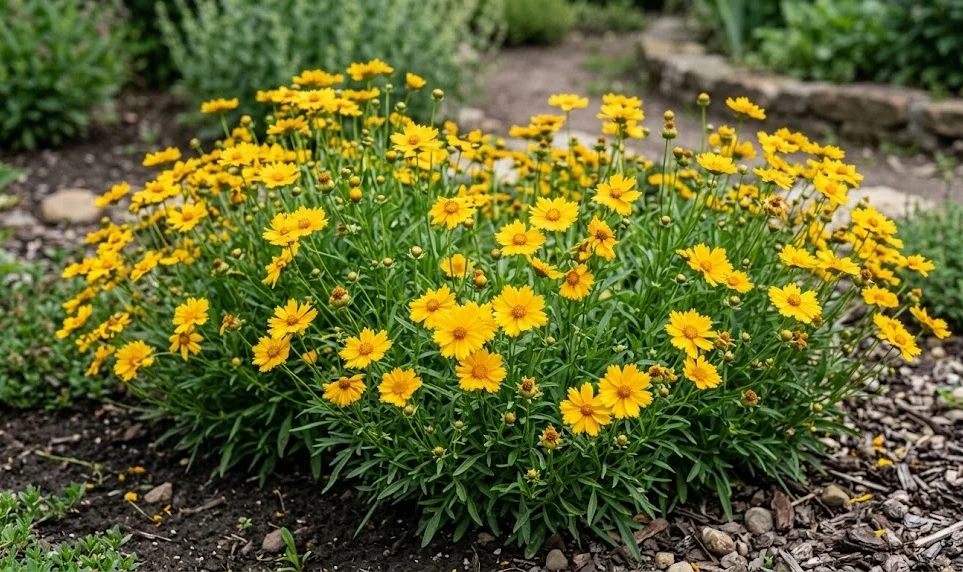

Proper hydration and nutrition are the dual pillars that support the prolific blooming and overall health of tickseed throughout the growing season. While these plants are often touted for their drought tolerance, achieving a professional-grade floral display requires a more nuanced approach than simply leaving them to nature. Understanding when to provide extra support and when to hold back is a skill that distinguishes an expert gardener from a novice. By tailoring your watering and fertilization schedule to the specific needs of these perennials, you can ensure a vibrant and resilient garden.
Managing initial hydration needs
Newly planted tickseed requires a consistent and thoughtful watering schedule to help its roots settle into the surrounding soil. During the first few weeks after transplantation, the root system is not yet capable of reaching deep moisture reserves, making it dependent on your intervention. You should aim to keep the soil consistently moist but never allow it to become waterlogged or swampy. Professional gardeners often check the soil by hand, feeling an inch below the surface to determine if additional water is truly necessary.
The timing of your watering routine can have a significant impact on the health of the foliage and the efficiency of moisture absorption. Watering in the early morning is widely considered the best practice, as it allows the leaves to dry quickly in the rising sun. This approach minimizes the risk of fungal infections that thrive in damp, cool evening conditions. If you must water later in the day, try to apply the water directly to the base of the plant to avoid wetting the flowers and leaves unnecessarily.
As the plants begin to show signs of new growth, you can gradually decrease the frequency of your watering while increasing the amount applied each time. This technique encourages the roots to grow deeper into the soil in search of moisture, which ultimately makes the plant more resilient. Shallow, frequent watering tends to result in a weak root system that is more susceptible to heat stress and drought. By training your tickseed to seek water deeper in the earth, you are building a stronger and more self-sufficient specimen.
During periods of extreme heat or prolonged dry spells, even established tickseed may need a little extra attention to maintain its peak appearance. While the plants may survive without help, you might notice the flowers drooping or the foliage beginning to lose its vibrant green color. A deep soaking once or twice a week during these times can provide the necessary boost to keep the blooming cycle going. Monitoring the weather and the physical state of your plants allows you to provide just the right amount of support without over-watering.
More articles on this topic
Understanding drought tolerance in mature plants
One of the most appealing characteristics of tickseed is its remarkable ability to withstand dry conditions once it has reached maturity. This adaptation makes it an excellent choice for xeriscaping or for areas of the garden that are difficult to reach with a hose. However, it is important to distinguish between “surviving” a drought and “thriving” during one. While the plant won’t die easily, its flower production may slow down significantly if it is forced to survive on minimal moisture for too long.
In a professional garden setting, maintaining a balance between conservation and performance is key to a successful landscape. You can use mulch to your advantage by creating a barrier that prevents soil moisture from evaporating too quickly under the summer sun. A two-inch layer of organic material not only saves water but also improves the soil structure as it slowly breaks down over time. This sustainable practice aligns with modern horticultural standards and reduces the overall maintenance burden for the gardener.
Observation remains your most important tool when managing the water needs of mature tickseed specimens. You should look for subtle cues such as a slight curling of the leaves or a change in the texture of the stems. These signs often appear before any significant wilting occurs, giving you the chance to intervene before the plant suffers any real damage. Learning the specific language of your plants is a hallmark of an experienced gardener who values the longevity of their floral collection.
It is also worth noting that different varieties of tickseed may have slightly different levels of drought tolerance based on their genetic heritage. Some species naturally inhabit prairie environments, while others are more at home in moist woodlands or meadow settings. Researching the specific type you have planted will help you fine-tune your care routine to match its natural preferences. This tailored approach ensures that each plant in your garden receives exactly what it needs to perform at its best.
More articles on this topic
Essential nutrients for optimal blooming
Tickseed is generally not a heavy feeder and can often find all the nutrients it needs in average garden soil without much help. In fact, over-fertilizing can lead to a lush explosion of green leaves while discouraging the plant from producing its signature flowers. For professional results, the goal is to provide a balanced environment where the plant feels secure enough to invest energy into reproduction. A soil that is too rich in nitrogen is the most common cause of poor flowering performance in these perennials.
If you feel that your soil is lacking, a light application of a balanced, slow-release fertilizer in the early spring can be beneficial. Look for a formula that provides a steady supply of nutrients over several months rather than a quick burst of growth. This method mimics the natural availability of nutrients in the wild and supports a more sustainable growth rate. Applying the fertilizer just as the new shoots emerge gives the plant a solid foundation for the upcoming blooming season.
Organic amendments, such as well-rotted compost or leaf mold, are often preferred by expert gardeners over synthetic chemicals. These natural options not only provide essential minerals but also improve the overall health and biology of the soil. By encouraging beneficial microbes and earthworms, you create a living ecosystem that supports the tickseed from the ground up. This holistic approach to fertilization leads to plants that are generally more resistant to pests and environmental stressors.
In some cases, a mid-season boost might be helpful if you notice the plant’s vigor beginning to wane after the first flush of flowers. A liquid seaweed extract or a weak compost tea can provide a gentle pick-me-up without the risk of over-stimulating the plant. These foliar feeds are quickly absorbed and can help the plant recover from the energy expenditure of heavy blooming. Always ensure the soil is moist before applying any type of fertilizer to avoid burning the sensitive root hairs.
Timing and application techniques
The way you apply fertilizer is just as important as the type of nutrients you choose to use in your garden. You should always follow the manufacturer’s instructions closely and avoid the temptation to “add a little extra” for better results. Fertilizer should be spread evenly around the base of the plant, keeping it away from direct contact with the stems or foliage. Scratching the granules lightly into the surface of the soil and watering them in immediately helps the nutrients reach the root zone.
Seasonal timing is a critical factor that determines how the plant utilizes the provided nutrition throughout its life cycle. You should avoid fertilizing late in the summer or early autumn, as this can stimulate new growth that won’t have time to harden off before winter. This tender growth is highly susceptible to frost damage and can weaken the entire plant during the dormant period. A professional care routine focuses on supporting the plant’s natural phases rather than forcing unnatural growth patterns.
For container-grown tickseed, the rules for fertilization are slightly different due to the limited volume of soil available. Plants in pots often require more frequent feeding because nutrients are washed away more quickly during regular watering. Using a diluted liquid fertilizer every few weeks during the peak growing season can help maintain the vibrant color and prolific blooming. Be careful to flush the pots with plain water occasionally to prevent the buildup of salts that can damage the roots.
Soil testing is a highly recommended practice that takes the guesswork out of your fertilization strategy. By knowing exactly which nutrients are present or missing, you can avoid adding unnecessary chemicals to your garden environment. This professional approach saves money, protects the local groundwater, and ensures that your tickseed is getting precisely what it needs. A healthy, balanced soil is the ultimate secret to a stunning and low-maintenance floral display that lasts for years.
Evaluating plant response and health
The most reliable indicator of whether your watering and fertilization routine is working is the plant itself. A healthy tickseed should have firm, green leaves and a steady production of flower buds throughout its natural blooming window. If you notice the stems becoming excessively long and weak, it may be a sign that you are providing too much nitrogen or not enough light. Conversely, stunted growth and pale foliage often suggest a need for a bit more nutrition or more consistent moisture.
Monitoring the soil’s physical condition is also part of a professional evaluation of your garden’s health. If the surface becomes hard and crusted, it can prevent water from reaching the roots and may indicate a lack of organic matter. You might need to gently cultivate the top layer of soil or add a fresh layer of mulch to improve the environment. A healthy soil should feel crumbly and smell earthy, providing the perfect home for your perennial root systems.
Changes in blooming patterns can sometimes be linked to shifts in the local microclimate or unexpected weather events. If a heatwave hits, you may need to temporarily increase your watering frequency to compensate for the higher evaporation rates. Being flexible and responsive to these changes is what sets an expert gardener apart from someone who simply follows a rigid schedule. Your ability to adapt your care routine to the immediate needs of your plants will pay off in a more resilient and beautiful garden.
Finally, keep in mind that the needs of your tickseed may change as the plants age and the garden evolves. Older clumps may become more efficient at finding resources but might also face more competition from neighboring plants. Regularly assessing the overall landscape will help you determine if any adjustments are needed to maintain the perfect balance. By staying engaged with your garden, you can enjoy the many rewards that come from providing expert-level care to your floral collection.