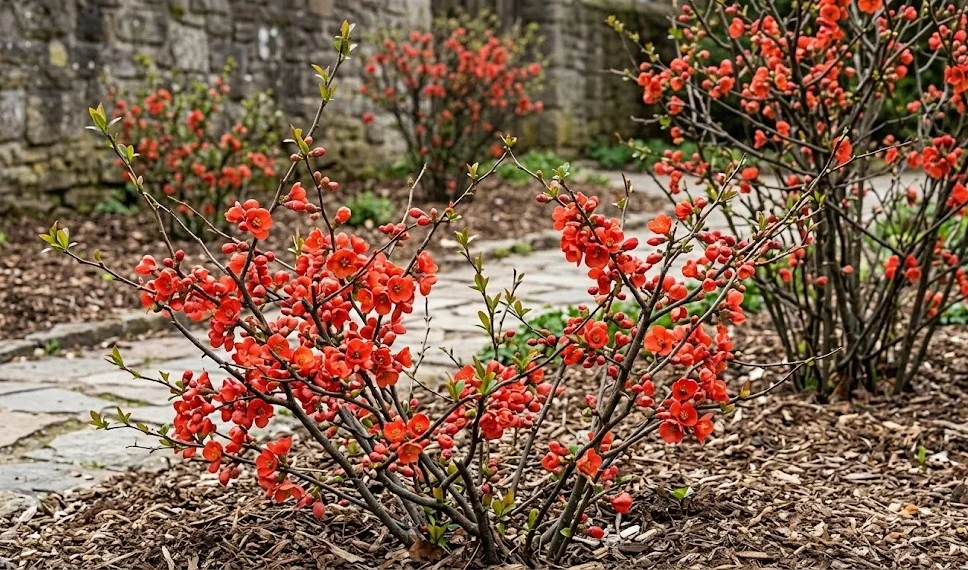

Japanese quinces are exceptionally hardy shrubs that are well-adapted to surviving cold winters in most temperate regions. As the days shorten and temperatures drop in the autumn, the plant begins a complex physiological process to enter its period of dormancy. During this time, the metabolic activity of the shrub slows down significantly, and the wood hardens to withstand freezing temperatures. Understanding this natural cycle is essential for providing the right kind of support as the plant transitions into its winter rest.
In most climates, these shrubs do not require elaborate protection to survive the winter once they are established in the ground. They are typically rated for zones that experience significant freezing, meaning their cellular structure is designed to handle the expansion of ice. However, very young plants or those recently transplanted may still be vulnerable to extreme temperature fluctuations before their root systems are fully developed. A proactive gardener monitors the local climate to identify when extra precautions might be necessary for these more delicate specimens.
Dormancy is not just a passive state but a vital time for the plant to reset its internal biological clock for the coming spring. The cold “chilling hours” experienced during the winter are actually required for many varieties to bloom properly once the weather warms up again. Without this period of cold, the plant may produce fewer flowers or show irregular growth patterns during the following season. This relationship with the cold highlights why the Japanese quince is such a perfect choice for gardens in regions with distinct seasonal changes.
While the plant is dormant, it is much more resistant to physical handling and pruning than it is during the active growing season. This makes winter an ideal time to perform structural maintenance and remove any dead wood without causing undue stress to the shrub. However, you should avoid any tasks that might break the plant’s dormancy prematurely, such as applying nitrogen-rich fertilizers during a mid-winter thaw. Respecting the plant’s natural rhythm ensures that it emerges from the winter with all the energy it needs for a spectacular spring display.
Root protection and mulching techniques
Even though the upper branches of the Japanese quince are very hardy, the root system can still benefit from extra protection during a deep freeze. Applying a fresh layer of organic mulch in the late autumn is one of the most effective ways to insulate the soil and keep temperatures stable. A three-to-four-inch layer of wood chips, straw, or shredded leaves acts like a thermal blanket for the underground portion of the plant. This prevents the ground from freezing and thawing repeatedly, a cycle that can sometimes push young plants out of the soil.
More articles on this topic
When applying winter mulch, it is important to spread it out to the drip line of the shrub to cover the entire root zone. You should always leave a small gap between the mulch and the main stems to prevent moisture from being trapped against the bark. This gap reduces the risk of fungal rot and prevents small rodents from using the mulch as a hidden base to chew on the shrub’s bark. Proper mulching not only protects the plant from the cold but also improves the soil quality as it breaks down over the following year.
In regions with very little snowfall, the soil can become dangerously dry during the winter months, which can lead to root desiccation. Since dormant plants still lose a small amount of moisture through their stems, they need to have access to some water in the ground. If the autumn has been particularly dry, you should give your quince a deep watering before the first hard freeze of the season. This ensures the plant has a reservoir of moisture to draw upon during the long months when the ground might be frozen solid.
Another threat during the winter comes from hungry garden visitors like rabbits or deer who may find the bark of the quince an attractive food source. If these animals are a problem in your area, you might need to install a temporary wire cage or tree guards around the base of the shrub. Protecting the bark is crucial because severe gnawing can girdle the plant, cutting off the flow of nutrients and killing it. Combining physical barriers with proper mulching creates a comprehensive safety net for your shrub during the harshest months of the year.
Protecting potted Japanese quinces
Japanese quinces grown in containers require much more attention during the winter than those planted directly in the garden soil. Because the roots are above ground and surrounded by only a thin layer of potting mix, they are far more exposed to freezing temperatures. If the root ball freezes completely and stays that way for a long time, the plant may not survive even if the variety is technically hardy. You must take specific steps to insulate the pot or move it to a more protected location before the first deep freeze arrives.
More articles on this topic
One effective strategy is to move the container to a sheltered spot, such as against a south-facing wall or inside an unheated garage or shed. This provides a buffer against the coldest winds and prevents the temperature of the pot from dropping as low as the open air. If moving the pot isn’t an option, you can wrap the entire container in several layers of bubble wrap, burlap, or specialized frost blankets. Tying the wrapping securely ensures it stays in place throughout the winter storms and provides consistent insulation for the roots.
Monitoring the moisture level of potted plants is even more critical during the winter, as they can dry out surprisingly quickly even in the cold. You should check the soil on warmer days and provide a small amount of water if the top inch feels dry to the touch. However, be careful not to overwater, as the plant’s needs are minimal and soggy soil in a pot can lead to root rot during the dormant phase. The goal is to keep the soil slightly damp so the roots don’t shrivel, without creating a waterlogged environment.
In early spring, you must be careful not to bring the potted quince back into full sun and warmth too quickly. A sudden change in temperature can cause the plant to break dormancy before the danger of frost has passed, leaving the new growth vulnerable. Gradually acclimating the shrub to the outdoors by moving it for a few hours each day is the safest way to transition it back to its growing position. This careful management of the winter environment allows container-grown quinces to thrive just as well as their garden-planted counterparts.
Post-winter inspection and recovery
As the snow melts and the ground begins to thaw, your first task is to conduct a thorough inspection of your Japanese quince. Look for any branches that may have been broken by heavy snow or ice and prune them back to healthy wood immediately. You should also check the bark for any signs of animal damage or splitting caused by rapid temperature changes during the late winter. Addressing these minor physical issues early prevents them from becoming entry points for diseases as the plant starts to wake up.
Once the danger of a hard freeze has passed, you can begin to pull back some of the heavy winter mulch from the base of the plant. This allows the soil to warm up more quickly in the spring sun, which in turn stimulates the roots to begin their active growth. If you used any protective wraps or cages, now is the time to remove them so they don’t interfere with the emerging buds. Cleaning up the area around the shrub by removing any dead leaves or debris will also help reduce the risk of fungal infections.
Wait until you see the first signs of green growth before deciding to remove any branches that appear to be dead. Sometimes a branch that looks lifeless in February will surprise you with a flush of leaves once the sap begins to flow in April. If a branch remains brittle and shows no signs of life after the rest of the shrub has leafed out, you can prune it back to the main trunk. This patient approach prevents you from accidentally removing healthy wood that was simply slow to wake up from its winter slumber.
The final step in the overwintering process is to provide the shrub with its first light feeding of the year as it starts to bloom. A balanced fertilizer will give the plant the nutrients it needs to recover from the winter and produce a vibrant display of flowers. Combined with the natural moisture from spring rains, this boost helps the Japanese quince transition smoothly from dormancy into its most productive phase. Successful overwintering is a testament to the plant’s resilience and the gardener’s careful stewardship throughout the coldest months.