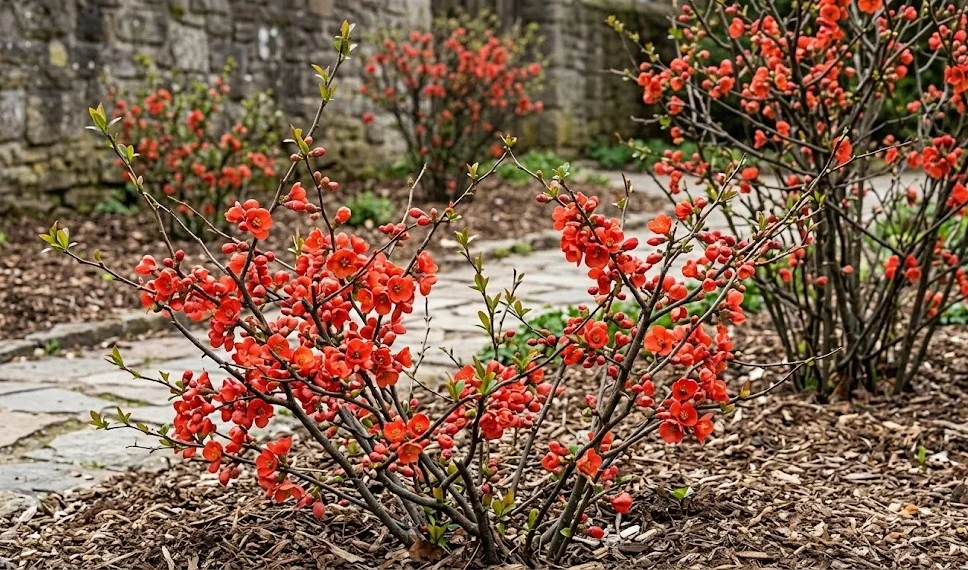

Caring for these resilient shrubs requires a balanced approach to ensure they thrive throughout the changing seasons in a temperate climate. These woody plants are prized for their early spring blossoms and interesting fruit, but they need consistent attention to reach their full potential. Gardeners must understand the specific needs of the species to create a landscape feature that remains healthy for decades. Routine checks for growth patterns and soil conditions are the first steps in a successful long-term maintenance plan.
Establishing a baseline for care involves observing how the shrub responds to its environment during the first two years after planting. You should pay close attention to the foliage color and the density of the branches to gauge the plant’s overall vigor. Regular monitoring helps in identifying any potential issues before they become significant problems for the shrub’s health. Taking a proactive stance on maintenance ensures that the plant remains a focal point in the garden rather than an overgrown thicket.
Consistency is key when managing the various needs of this deciduous shrub, especially during the peak growing months of spring and summer. Providing a stable environment allows the root system to strengthen and support the heavy flowering that occurs on older wood. You must balance the desire for aesthetic beauty with the biological requirements of the plant to maintain its natural resilience. A well-maintained specimen will not only look better but will also be more resistant to environmental stressors and common pathogens.
The interaction between different care tasks, such as how pruning affects watering needs, should be considered throughout the year. When you remove significant portions of the canopy, the plant’s demand for moisture may temporarily decrease while it focuses on healing. Conversely, a large, leafy shrub will require more frequent checks for hydration during the heat of mid-July. Understanding these relationships allows for a more nuanced and professional approach to gardening that mimics natural growth cycles.
Ideal soil and site selection
Selecting the right location for your Japanese quince is arguably the most important decision for its long-term health and productivity. These shrubs prefer well-drained soil that is rich in organic matter, though they are notably adaptable to various ground types. Heavy clay can be problematic if it holds too much water, leading to root rot and poor overall growth. You should test the soil pH to ensure it is slightly acidic to neutral, as overly alkaline conditions can cause iron chlorosis.
More articles on this topic
If your garden has sandy soil, incorporating plenty of compost or well-rotted manure will help retain the necessary moisture and nutrients. Adding organic matter improves the soil structure and provides a slow-release source of energy for the plant’s roots. You can also use mulching techniques to keep the soil temperature stable and prevent the ground from drying out too quickly. Improving the site before planting saves significant effort in the future when trying to correct nutrient deficiencies.
Air circulation is another critical factor to consider when choosing where to place this shrub in your landscape design. Dense plantings or stagnant corners of the garden can encourage fungal diseases, particularly leaf spot, which thrives in humid conditions. You should space multiple plants far enough apart to allow wind to pass through the branches easily. Proper placement ensures that the leaves dry quickly after rain or morning dew, significantly reducing the risk of infection.
Proximity to other plants can also influence the competition for resources like light and water within the root zone. Avoid planting the quince too close to large trees with aggressive root systems that might starve the shrub of essential nutrients. A clear area around the base of the plant makes it easier to perform routine maintenance like weeding and mulching. Giving the shrub enough room to expand naturally will result in a more graceful form and more abundant flowering.
Guiding growth with strategic pruning
Pruning is an essential skill for managing the shape and health of Japanese quince, as it tends to become quite tangled if left alone. The best time to prune for shape is immediately after the spring flowers have faded to avoid cutting off next year’s buds. You should focus on removing dead, damaged, or crossing branches that might rub against each other and create entry points for disease. Thinning out the center of the shrub allows light to reach the inner branches and promotes a more balanced growth habit.
More articles on this topic
Young shrubs require structural pruning to establish a strong framework that can support the weight of future fruit and foliage. You can encourage a more upright or spreading habit depending on how you head back the primary branches during the dormant season. Taking the time to shape the plant early in its life prevents the need for drastic, stressful cuts later on. Always use sharp, clean tools to ensure the wounds heal quickly and do not become infected by opportunistic fungi.
For older, neglected specimens, a rejuvenation pruning strategy can breathe new life into a woody and unproductive shrub. This process involves removing about one-third of the oldest stems right down to the ground level over a three-year period. This technique stimulates the growth of vigorous new shoots from the base, which will eventually produce more flowers. Consistent rejuvenation keeps the shrub looking young and prevents the center from becoming a dense, leafless mass of old wood.
Regular maintenance also involves removing suckers that frequently emerge from the base of the plant or from the roots. These shoots can sap energy from the main framework and lead to an untidy, invasive appearance in the garden bed. You should cut these back as soon as they appear to maintain the desired silhouette of the shrub. Keeping the base clear also improves airflow and makes it easier to apply mulch or fertilizer directly to the soil surface.
Feeding and nutrition management
Providing the right nutrients at the correct time ensures that your Japanese quince produces a spectacular display of flowers and healthy fruit. A balanced, slow-release fertilizer applied in early spring just as the buds begin to swell is usually sufficient for most garden soils. You should avoid high-nitrogen fertilizers late in the summer, as this can stimulate soft, new growth that is susceptible to winter damage. Organic options like compost or fish emulsion are excellent for maintaining soil health while feeding the plant.
Observing the leaves throughout the growing season can tell you a lot about the nutritional status of your shrub. Yellowing between the veins, known as interveinal chlorosis, often indicates a lack of iron or a soil pH that is too high. If you notice stunted growth or poor flowering, it might be time to supplement with a phosphorus-rich feed. Regular soil testing every few years provides the data needed to make informed decisions about exactly what the plant requires.
Mulching with organic material provides a double benefit by suppressing weeds and slowly releasing nutrients into the soil as it decomposes. A layer of bark chips, leaf mold, or straw helps maintain a consistent environment for the beneficial microbes in the root zone. You should keep the mulch a few inches away from the main stems to prevent moisture buildup against the bark, which can lead to decay. This natural approach to feeding mirrors the forest floor and creates a sustainable cycle for the plant.
Watering and feeding go hand in hand, as nutrients must be dissolved in water to be absorbed by the root hairs. After applying any granular fertilizer, you should water the area thoroughly to move the nutrients down into the soil profile. During periods of heavy rain, you may need to adjust your feeding schedule to account for potential leaching of essential minerals. A holistic view of the plant’s environment ensures that the food you provide is actually accessible and beneficial.
Managing seasonal health challenges
Each season brings a new set of challenges that require specific care adjustments to keep the Japanese quince in peak condition. In early spring, the primary focus is on protecting emerging blossoms from late frosts which can ruin the display. You might need to use horticultural fleece or temporary covers if a sudden temperature drop is predicted after a period of warmth. Monitoring the local weather forecast becomes a daily task for the dedicated gardener during the transition from winter to spring.
Summer care is dominated by moisture management and monitoring for the first signs of pest activity on the leaves. Heat stress can cause the plant to drop its fruit prematurely, so providing deep hydration during heatwaves is vital. You should also watch for aphids or spider mites that often appear when the weather is hot and dry for extended periods. Addressing these minor infestations early prevents them from weakening the shrub’s overall constitution before the dormant season arrives.
As autumn approaches, the plant begins to prepare for dormancy, and your care routine should shift toward cleanup and protection. Removing fallen leaves that may harbor fungal spores is a simple but effective way to reduce disease pressure for the following year. This is also the time to harvest the fruit if you intend to use it for jellies or medicinal purposes. Reducing supplemental water as the days shorten helps the wood to harden off properly in preparation for freezing temperatures.
Winter care is mostly passive but includes protecting the shrub from physical damage caused by heavy snow or ice accumulation. You can gently brush off excessive snow from the branches to prevent them from snapping under the weight. In very cold regions, a final check of the mulch layer ensures the roots are well-insulated against deep ground freezes. These small acts of stewardship throughout the year culminate in a resilient and beautiful plant that can withstand almost any environmental pressure.
Enhancing flowering and fruit yield
To maximize the aesthetic and functional output of your Japanese quince, you can employ several advanced horticultural techniques. Since the flowers appear on wood that is two years or older, your pruning strategy must always leave enough mature growth for the next season. You can also encourage more buds by ensuring the plant receives adequate sunlight, which triggers the physiological processes for flower initiation. A well-lit shrub will always outperform one stuck in the deep shade of a building or large tree.
Pollination is another factor that influences how much fruit the shrub will produce after the flowering stage has ended. While most varieties are somewhat self-fertile, having more than one plant or different cultivars nearby can increase the fruit set significantly. Encouraging beneficial insects like bees and hoverflies into your garden creates a healthy ecosystem that supports better pollination. Planting nectar-rich flowers in the vicinity can help attract these vital garden helpers during the early spring window.
Managing the fruit load is sometimes necessary to prevent the branches from becoming overstressed or breaking under the weight. If the shrub produces an excessive amount of fruit, you might consider thinning some of them out in early summer. This allows the plant to direct its energy into developing larger, higher-quality fruit rather than many small ones. Consistent moisture during the fruit development phase also ensures that the “quinces” don’t become shriveled or drop off the plant before they are ripe.
The timing of the harvest is the final step in the cycle of fruit production for this versatile garden shrub. Japanese quinces are usually ready for picking in late autumn when they have turned yellow and developed a strong, pleasant fragrance. You should harvest them before the first hard frost to preserve their texture and high pectin content. Using the fruit in the kitchen is a rewarding way to close the loop on a year of dedicated care and maintenance.
Long-term landscape integration
Thinking about the future of your Japanese quince involves considering how it will interact with the rest of your garden over many years. As a slow to moderate grower, it can be used as a standalone specimen, an informal hedge, or even trained against a wall. You should plan for its ultimate spread to avoid overcrowding other plants as it matures into its full size. Regular assessments of the surrounding landscape will help you decide when it is time to prune or move neighboring perennials.
The architectural form of the shrub provides winter interest even after the leaves have fallen, thanks to its intricate branch patterns and occasional thorns. You can enhance this effect by under-planting with early bulbs like crocuses or snowdrops that bloom alongside the quince. This layering of plants creates a more complex and visually appealing garden space that changes beautifully with the seasons. A thoughtful design considers the plant’s appearance in all twelve months of the year, not just during the bloom.
Maintaining the health of the soil in the entire bed is just as important as caring for the individual shrub. You should avoid compacting the soil around the base by not walking on the root zone, especially when the ground is wet. Periodically adding fresh organic matter to the whole area benefits all the plants in the community and fosters a healthy underground network. A thriving garden is a result of many small, consistent actions that support the biological health of the entire site.
Ultimately, the goal of expert care is to create a sustainable and low-maintenance environment where the plant can flourish naturally. By following professional standards for planting, pruning, and feeding, you reduce the need for emergency interventions and chemical treatments. A well-integrated Japanese quince becomes a permanent and beloved fixture of the home landscape, providing beauty and fruit for generations. Your role as a gardener is to facilitate this growth by understanding and respecting the natural rhythms of the species.