
While these woodland perennials are generally hardy and resistant to many common garden problems, they are not entirely immune to the pressures of pests and diseases. Most issues arise when the environmental conditions are not optimal, such as when the soil is too wet or the air circulation is poor. Identifying problems early and understanding the biological factors involved is key to maintaining a healthy and vibrant collection. By adopting an integrated management approach, you can protect your plants while maintaining a balanced and eco-friendly garden ecosystem.
Fungal pathogens and leaf issues
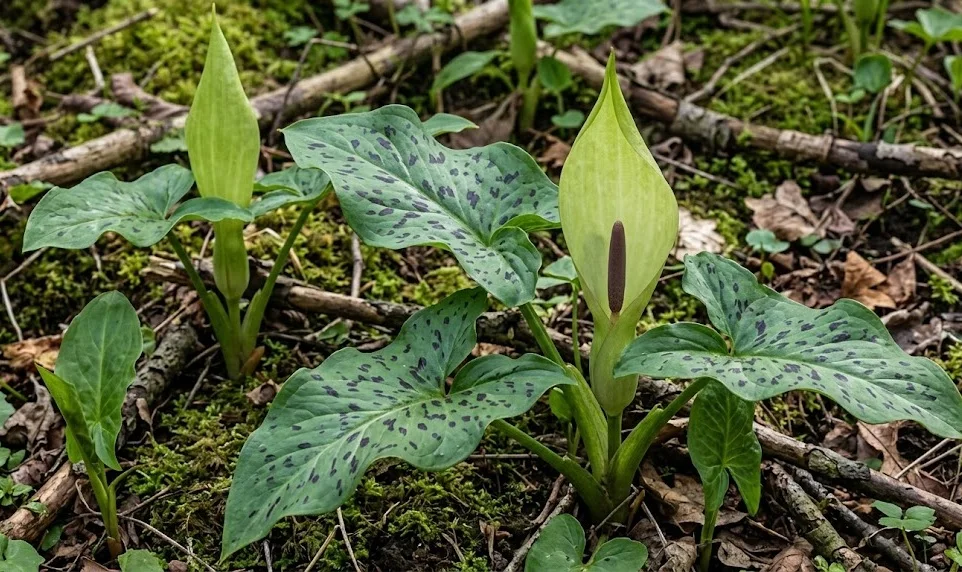
The most common diseases affecting these plants are fungal in nature, often appearing during the damp, cool days of early spring. Leaf spot is a frequent issue where small, dark brown or black circular lesions appear on the otherwise green foliage. These spots can eventually merge, causing entire sections of the leaf to turn yellow and die prematurely. While a few spots are usually just a cosmetic concern, a severe infection can weaken the plant by reducing its ability to photosynthesize.
Fungal spores thrive in stagnant, humid air and can be spread by splashing water from rain or overhead irrigation. To minimize the risk, ensure that the plants are spaced far enough apart to allow for adequate air movement between the large leaves. Removing and destroying any infected foliage as soon as it is noticed can also help prevent the spread of spores to healthy neighbors. Always use clean tools when working with diseased plants to avoid cross-contamination throughout your garden.
Another fungal concern is powdery mildew, which manifests as a white, dusty coating on the surface of the leaves during late spring. This typically happens when the days are warm but the nights remain cool and damp, creating the perfect environment for the fungus to bloom. While it rarely kills the plant, it can significantly detract from the beauty of the mottled foliage. Improving air circulation and ensuring the plant isn’t stressed by drought are the best preventative measures against mildew.
In most cases, these fungal issues do not require the use of chemical fungicides if the underlying environmental causes are addressed. Using organic mulches and focusing on soil health will help the plant build natural resistance to these common pathogens. If an infection is particularly persistent, an organic sulfur-based spray can be used as a last resort, but prevention through cultural practices is always preferred. Keeping the garden floor clean of old, rotting debris from previous years will also reduce the local spore population.
More articles on this topic
Root and tuber rot complications
The most serious health threat to these perennials is rot, which targets the vital underground storage organs and can lead to the total loss of the plant. Tuber rot is almost always a result of poor drainage or overwatering, particularly during the dormant summer or winter months. The symptoms of rot often go unnoticed until the spring, when the plant either fails to emerge or produces very weak, stunted growth. If you suspect rot, you may need to carefully dig up a tuber to inspect its condition.
A healthy tuber should be firm to the touch and have a clean, creamy-white or light tan interior when sliced. If the tuber feels soft, mushy, or has a foul odor, it is likely being consumed by anaerobic bacteria or aggressive soil-borne fungi. Once rot has set in deeply, it is very difficult to save the individual tuber, and it should be removed from the garden to prevent the spread of the infection. Improving the drainage of the entire planting area is essential before attempting to plant new specimens in the same spot.
To prevent rot, ensure that the soil contains enough grit or organic matter to allow excess water to drain away quickly. Avoid planting in low-lying areas of the garden where water tends to collect after a heavy rainstorm. If your garden has naturally heavy clay, consider planting on mounds or in raised beds to keep the tubers above the saturation zone. Constant monitoring of soil moisture, especially during the dormant periods, is the best defense against these invisible but deadly pathogens.
Bacterial soft rot can also occur if the tuber is physically damaged by garden tools or burrowing animals. These wounds provide an entry point for bacteria that quickly liquefy the internal tissues of the plant. Always handle the tubers with care during planting or division, and avoid digging near established colonies with sharp spades. By maintaining the physical integrity of the tuber and ensuring a well-aerated soil environment, you eliminate the primary conditions that lead to rot.
More articles on this topic
Common pests and herbivore pressure
Interestingly, the toxic nature of these plants protects them from many of the herbivores that plague other garden species, such as deer and rabbits. These animals typically avoid the foliage and berries because of the immediate irritation caused by the calcium oxalate crystals. However, some smaller invertebrates have evolved ways to feed on the plant without being significantly affected. Slugs and snails are the most common culprits, often chewing large, ragged holes in the tender emerging leaves of early spring.
While slug damage is rarely fatal, it can be quite unsightly and may provide entry points for secondary fungal infections. Controlling these mollusks can be achieved through organic methods such as hand-picking at night or using copper barriers around the planting area. Encouraging natural predators like birds, frogs, and hedgehogs in your garden is the most sustainable way to keep slug populations in check. Avoiding the use of toxic slug pellets is important to protect these beneficial animals and the overall health of the soil.
Some species of aphids may occasionally colonize the undersides of the leaves or the base of the flower spathe. These sucking insects can cause the leaves to curl or become distorted if the infestation is severe. In most cases, a strong blast of water from a garden hose is enough to dislodge the aphids and reduce their numbers. Beneficial insects like ladybugs and lacewings will often move in to take care of the remaining population if the garden is managed without broad-spectrum pesticides.
Root-feeding larvae, such as those of certain beetles or flies, can sometimes damage the tubers from below the soil surface. This type of damage is harder to detect but can lead to a general decline in the plant’s vigor over several seasons. Maintaining a diverse soil biology and avoiding over-reliance on a single plant species will help prevent these pests from reaching problematic levels. Usually, a healthy woodland garden maintains its own balance between pests and their natural enemies without needing much human intervention.
Integrated pest management strategies
Integrated Pest Management (IPM) is a holistic approach that focuses on long-term prevention and uses chemical controls only as a final, targeted resort. For these woodland perennials, IPM starts with selecting the best possible site and ensuring the soil health is optimal. A plant that is growing in its ideal environment is much more capable of resisting pests and recovering from minor damage. Regularly walking through your garden and observing the plants allows you to catch potential problems before they become crises.
Physical barriers and mechanical controls are the next line of defense in an IPM strategy. This might include using mesh covers to protect young seedlings or simply removing diseased leaves by hand as soon as they appear. These simple actions are often enough to manage most common issues without disrupting the rest of the garden’s ecology. It also encourages the gardener to become more intimately acquainted with the specific needs and habits of their plants.
Promoting biodiversity is perhaps the most effective long-term strategy for managing pests and diseases in any landscape. By planting a variety of different species, you avoid creating a “monoculture” that allows specific pests to flourish and spread rapidly. Providing habitat for beneficial insects and birds ensures that you have a constant, built-in pest control team working on your behalf. A complex, multi-layered garden is naturally more resilient than a simplified one.
If you must use a treatment, always choose the least toxic option that is effective for the specific problem you are facing. Organic oils, soaps, and biological controls (like nematodes for slugs) are much safer for the environment than synthetic chemicals. Always follow the manufacturer’s instructions carefully and apply treatments during times when beneficial insects are less active, such as late evening. This thoughtful approach to plant health is the mark of a professional and responsible gardener.
Disease prevention and hygiene practices
Maintaining good garden hygiene is one of the easiest and most effective ways to prevent the outbreak and spread of diseases. This includes regularly cleaning your garden tools with a mild disinfectant, especially after working with plants that show signs of illness. Pathogens can easily be carried from one part of the garden to another on the blades of pruners or the tines of a fork. A few minutes of cleaning can save you hours of troubleshooting and plant loss in the future.
Clearing away fallen leaves and spent flower stalks at the end of the season can also help reduce the overwintering population of pests and fungal spores. However, in a woodland-style garden, it is important to balance this with the need to maintain a natural leaf mold layer. The best compromise is to remove only the debris that shows clear signs of disease while leaving healthy organic matter to decay naturally. This targeted cleanup keeps the environment healthy without stripping away the benefits of natural mulching.
Purchasing healthy plants from reputable nurseries is another key step in disease prevention. Inspect any new additions carefully for signs of spots, rot, or pests before introducing them to your garden. It is often wise to “quarantine” new plants in a separate area for a few weeks to ensure they are truly healthy. This simple precaution can prevent the introduction of aggressive new pathogens that could threaten your entire established collection.
Finally, stay informed about local plant health trends and any new pests that may be moving into your region. Being aware of potential threats allows you to be more vigilant and take early action if necessary. Gardening is an ongoing educational journey, and protecting your plants is a big part of that experience. With careful attention to hygiene and environmental conditions, your lords and ladies will continue to be a healthy and captivating part of your garden for many years.