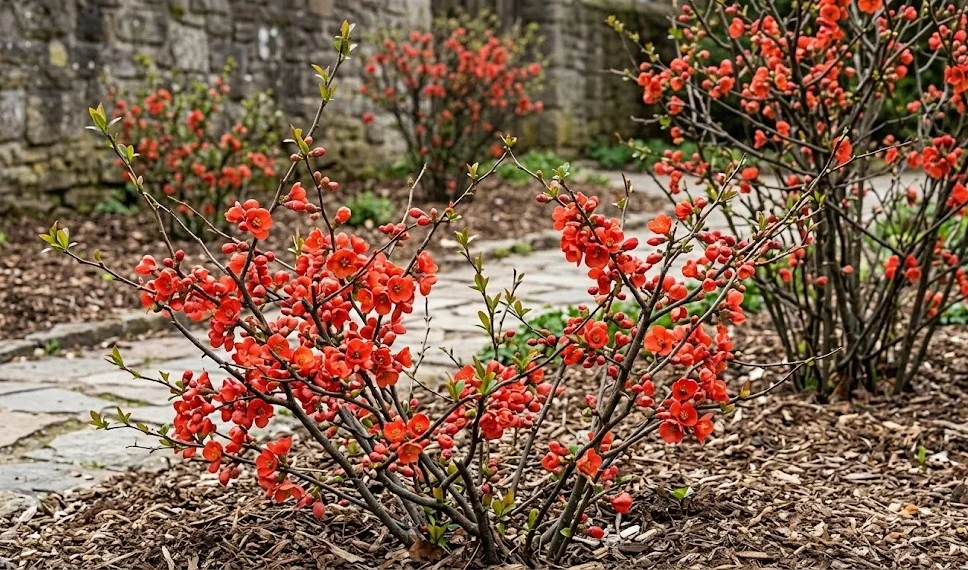

Pruning the Japanese quince is a vital task that goes beyond simple aesthetics; it is a fundamental requirement for maintaining the shrub’s health and productivity. Because this plant has a naturally tangled and somewhat chaotic growth habit, regular intervention is necessary to prevent it from becoming an impenetrable thicket. The primary goal of pruning is to allow light and air to reach the center of the plant, which encourages better flowering and reduces the risk of disease. Understanding the basic biology of the shrub will guide you in making the right cuts at the right time of year.
To perform professional-quality pruning, you must start with the correct tools that are sharp, clean, and well-maintained. A pair of high-quality bypass pruners is essential for most of the smaller branches, while loppers may be needed for the thicker, older wood at the base of the shrub. Because many varieties of Japanese quince have sharp thorns, wearing heavy-duty gardening gloves and long sleeves is a practical necessity for your own safety. Always sterilize your tools with rubbing alcohol before you begin and between plants to prevent the accidental spread of pathogens.
The timing of your pruning is one of the most critical factors in determining how many flowers you will see the following year. Since the Japanese quince blooms on “old wood” (growth from previous seasons), the best time to prune for shape is immediately after the spring flowers have faded. This gives the plant the entire summer to grow new stems and set the buds for next year’s display. If you prune in late winter or early spring, you will inevitably cut off many of the potential blossoms, though this may be necessary for structural repairs.
When making a cut, always aim for a point just above a healthy bud that is facing toward the outside of the plant. This encourages the new growth to head outward, which helps keep the center of the shrub open and accessible. You should avoid leaving “stubs,” as these can become entry points for rot and look unsightly as they die back. Clean, angled cuts allow water to run off the wound, which speeds up the natural healing process and protects the plant’s vascular system.
Maintenance pruning for structure and health
Every year, you should conduct a “health check” pruning session to remove the three D’s: dead, damaged, and diseased wood. This should be done as soon as you notice a problem, regardless of the season, to prevent further issues from developing within the plant. Removing these compromised branches allows the shrub to redirect its energy into healthy, productive growth. It also removes potential hiding spots for pests and spores of fungal diseases that could infect the rest of the canopy.
More articles on this topic
Once the health of the plant is secured, you can focus on thinning out the internal branches to improve air circulation and light penetration. Look for branches that are crossing or rubbing against each other, as the constant friction can wound the bark and invite infection. You should prioritize removing the weaker or more poorly positioned of the two rubbing branches to simplify the shrub’s structure. Aim to create a balanced, open framework that allows the beautiful form of the primary stems to be seen and appreciated.
For hedges or plants being used as groundcover, you may need to use a more systematic approach to maintain a specific size and shape. You can head back the vigorous new shoots by about half their length in early summer to encourage a denser, more branched appearance. This type of pruning is more about controlling the “reach” of the plant and ensuring it stays within its allotted space in your garden design. However, be careful not to over-prune, as the Japanese quince looks best when allowed to maintain a somewhat natural and graceful silhouette.
Suckers that emerge from the base of the plant or from the roots should be removed regularly to keep the shrub tidy. These fast-growing shoots can quickly sap the energy from the main framework and lead to an overgrown, messy look if they are not controlled. Use your pruners to cut them off as close to the ground or the main root as possible to discourage them from returning immediately. Keeping the base clear also makes it much easier to apply mulch and monitor the soil moisture around the root zone.
Rejuvenating old and overgrown shrubs
If you have inherited a neglected Japanese quince that has become a massive, unproductive tangle of wood, a rejuvenation pruning strategy is the best solution. Instead of trying to fix everything at once, which can be very stressful for the plant, you should spread the process over a period of three years. Each year, identify about one-third of the oldest, most woody stems and cut them right down to the ground level. This technique stimulates the dormant buds at the base of the plant to produce vigorous new shoots that will eventually replace the old wood.
More articles on this topic
In the first year of rejuvenation, focus on removing the thickest stems in the very center of the shrub to immediately improve the light and air situation. You may also want to remove any branches that are growing in completely the wrong direction or are encroaching on other plants. While the shrub might look a bit sparse after this first major intervention, it will respond quickly with a flush of new growth. This new wood will be more flexible and easier to manage as it matures over the following seasons.
During the second and third years, continue the process by removing the remaining old wood while beginning to shape the new shoots that emerged the previous year. You can select the strongest and best-positioned of the new stems to form the future framework of the shrub, while thinning out any excessive or weak new growth. By the end of the three-year cycle, you will have a completely renewed plant that is much smaller, healthier, and far more productive. This professional approach saves you from having to replace the plant entirely and preserves the established root system.
Once a shrub has been rejuvenated, it is important to return to a regular annual maintenance schedule to prevent it from reverting to its previous state. Consistent, light pruning is always better for the plant’s health than periodic, drastic cutting back. A well-pruned Japanese quince is not only a highlight of the spring garden but also a testament to the skill and dedication of the gardener. Taking the time to understand and master these pruning techniques will ensure that your shrub remains a beautiful and manageable part of your landscape for many years.