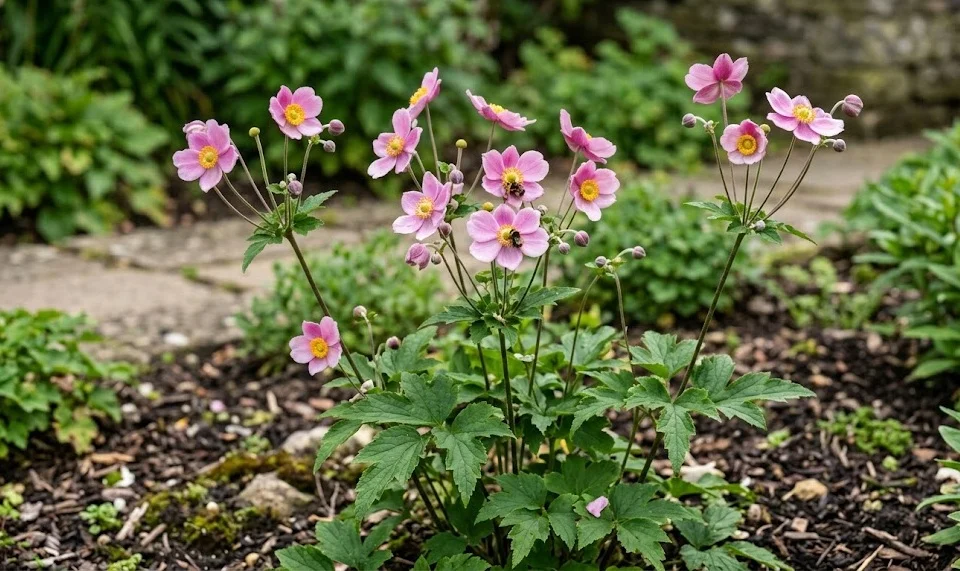

Pruning is a fundamental aspect of maintaining the health, shape, and flowering potential of the Japanese anemone throughout its long life in the garden. While these plants do not require the intensive shearing that some shrubs do, a targeted and timely approach to cutting back is essential. Proper pruning helps to manage the plant’s vigor, prevents the spread of disease, and ensures that the garden remains tidy and attractive during the off-season. An expert gardener understands that every cut made to the plant should serve a specific purpose, whether it is for rejuvenation or simple aesthetic maintenance.
The primary pruning event for this species occurs at the end of the growing season or in the very early spring, depending on your personal preference and local climate. After the first few hard frosts have hit, the once-vibrant foliage will turn brown and brittle, signaling that the plant has entered its dormant state. At this point, the nutrients have been safely stored in the roots, and the top growth can be removed without harming the perennial. Cutting the plant back at this time helps to clear away potential habitats for overwintering pests and disease-carrying debris.
In addition to the major annual cut, there are several smaller pruning tasks that can be performed during the active growing season to improve the plant’s performance. Deadheading spent flowers and removing damaged leaves are simple but effective ways to keep the specimen looking its best. These minor interventions also help the plant focus its energy on remaining healthy rather than trying to support failing tissues. A disciplined approach to these small tasks prevents them from becoming overwhelming and ensures a consistently high-quality display.
Handling the plant during pruning requires a basic understanding of its anatomy and growth habit to avoid any accidental damage to the crown. The crown is the sensitive area where the stems meet the roots, and it must be protected from physical injury and excessive moisture. Using the right tools—specifically sharp, clean bypass pruners—allows for precise cuts that heal quickly and do not leave behind jagged edges. By treating pruning as a professional horticultural task, you contribute significantly to the long-term sustainability of your Japanese anemone collection.
Timing the major annual cut for best results
One of the most debated topics among gardeners is whether to cut back Japanese anemones in the late autumn or wait until the following spring. Those who advocate for autumn pruning appreciate the tidy appearance of the garden during the winter months and the reduction in potential pest issues. By removing the dead stalks before the snow falls, you eliminate the risk of them breaking and damaging the plant’s crown during winter storms. This early cleanup also makes it easier to apply a protective layer of mulch or compost over the dormant roots.
More articles on this topic
On the other hand, leaving the dead foliage standing through the winter can provide several benefits to both the plant and the local ecosystem. The old stems and leaves act as a natural form of insulation, trapping snow and shielding the crown from the drying effects of winter winds. Many beneficial insects and pollinators also rely on the hollow stems of perennials like the anemone for winter shelter. If you choose this “naturalistic” approach, you should wait until the very first signs of new growth appear in the spring before clearing away the old debris.
Regardless of which timing you choose, the actual process of cutting back is relatively straightforward and satisfying. Use your pruners to cut each stem down to within two or three inches of the ground, being careful not to nick any emerging green shoots if you are pruning in the spring. If the plant was affected by any diseases during the previous season, it is vital to dispose of the trimmings in the trash rather than the compost pile. This prevents the cycle of infection from continuing into the new growing year.
Spring pruning also offers a great opportunity to inspect the health of the plant as it wakes up from its winter sleep. You can easily see if the clump has become too large or if any parts of the crown have been damaged by the frost. This is the time to make any necessary adjustments to the size of the plant or to remove any dead or dying sections. Starting the season with a clean, well-pruned specimen ensures that the new growth has plenty of room and light to develop into a spectacular late-summer feature.
Mid-season maintenance and deadheading techniques
During the height of the growing season, your pruning tasks will shift toward maintaining the aesthetic and health of the foliage and flowers. If you notice any leaves that are yellowing, spotted, or torn, they should be removed immediately to keep the plant looking fresh. This also improves the air circulation within the clump, which is a key factor in preventing common fungal issues like powdery mildew. Simply follow the leaf stem back to the main branch or crown and make a clean cut to remove the unwanted tissue.
More articles on this topic
Deadheading is the practice of removing spent flowers after they have finished blooming, and it is a valuable technique for Japanese anemones. While it may not significantly increase the number of new flowers, it prevents the plant from putting energy into developing seeds that you likely don’t need. This energy is better spent on strengthening the root system and preparing for the following year’s growth. To deadhead properly, cut the flower stalk back to the highest set of leaves or to where it meets a main stem.
As the tall flower spikes grow, they can sometimes become top-heavy or start to lean in an unattractive manner. If a stalk has become bent or broken due to wind or rain, it is best to prune it out completely rather than trying to prop it up. This keeps the plant looking tidy and prevents the damaged stem from becoming a entry point for pathogens. Regular “editing” of the plant in this way ensures that the focus remains on the healthy, upright blooms that characterize the species.
Finally, if you find that your anemone is becoming too vigorous and starting to crowd its neighbors, you can perform some “thinning” during the early summer. This involves removing some of the stems from the outer edges of the clump to maintain the plant’s assigned footprint in the border. While this is not a substitute for proper division, it can help manage the space on a temporary basis. Staying on top of these small maintenance tasks throughout the year makes the final end-of-season cleanup much easier and more manageable.
Rejuvenating older clumps and final tips
Over many years, a Japanese anemone clump can become woody in the center and start to produce fewer flowers than it did in its youth. This is a clear sign that the plant would benefit from a more aggressive rejuvenation pruning combined with division. By lifting the plant and removing the old, unproductive parts, you can breathe new life into your garden display. Replanting only the most vigorous sections will result in a healthier and more prolific plant within a season or two.
When pruning for rejuvenation, you should also take the opportunity to evaluate the soil conditions around the plant. If the soil has become compacted or depleted over the years, adding some fresh organic matter will support the recovery of the pruned specimen. Professional gardeners often use this time to address any underlying issues that might be hindering the plant’s performance. Pruning is just one part of a holistic care routine that includes proper watering, feeding, and site management.
Safety and tool maintenance are often overlooked but are essential for professional-level pruning results. Always ensure that your blades are sharp, as dull tools will crush the stems rather than cutting them, which can lead to infection and slower healing. Cleaning your tools with a disinfectant between different plants is also a wise practice to prevent the accidental spread of diseases across your garden. Taking care of your equipment is just as important as taking care of your plants if you want to achieve the best possible results.
In conclusion, pruning the Japanese anemone is a simple yet powerful tool for any gardener who wants to maintain a beautiful and healthy landscape. Whether you are doing a massive autumn cleanup or just sniping off a few spent blooms, each action contributes to the long-term success of the plant. By following a professional routine and paying attention to the specific needs of your specimens, you ensure that they will continue to grace your garden for decades. Consistent, thoughtful care is the hallmark of a truly expert gardener.