
Maintaining the health of your garden requires a vigilant eye for the various biological threats that can affect your shrubs. You should familiarize yourself with the common symptoms of stress and infection to catch problems before they spread. A proactive approach to pest and disease management is far more effective than trying to cure a severely weakened plant. Understanding the life cycles of these threats allows you to intervene at the most vulnerable stages.
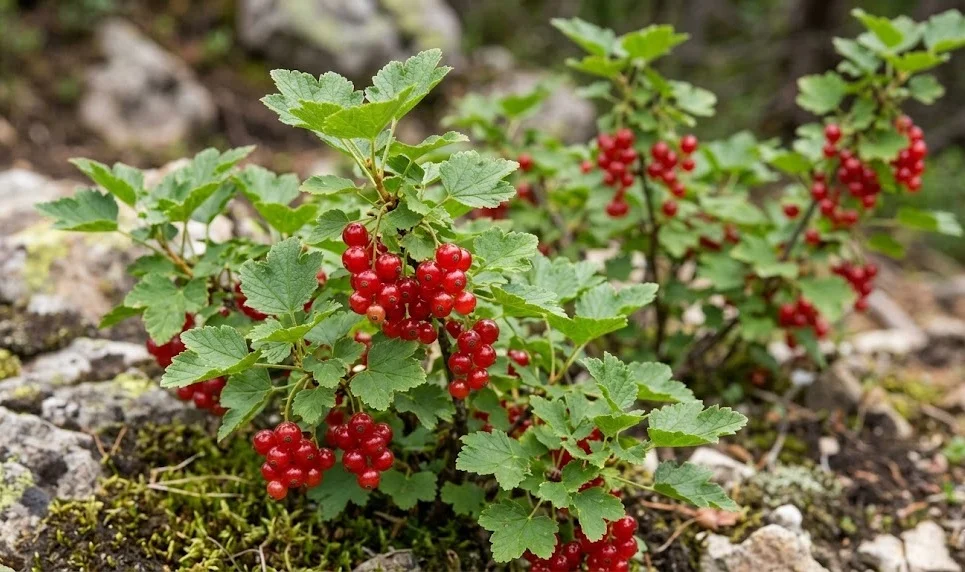
The first step in any protection strategy is to ensure that the plants are as healthy as possible through proper care. You must realize that stressed plants are far more attractive to pests and more susceptible to fungal infections. By providing the right amount of water and nutrients, you strengthen the plant’s natural defense mechanisms. A vigorous alpine currant is often able to survive minor infestations without any permanent damage.
Regular inspections should be a part of your weekly gardening routine throughout the entire growing season. You should look closely at the new growth, the undersides of leaves, and the interior branches of the shrub. Many pests are very small and can go unnoticed until their numbers have reached a critical level. Early detection is the key to using less aggressive and more environmentally friendly treatment options.
Environmental sanitation is another critical factor in preventing the spread of diseases within your landscape. You should immediately remove and destroy any fallen leaves or branches that show signs of infection. This prevents fungal spores and insect eggs from overwintering in the soil and reappearing the following year. Keeping the area under your shrubs clean is a simple but highly effective way to maintain a healthy garden.
Common fungal infections and mold
Powdery mildew is one of the most frequent fungal issues you might encounter with this particular species. You will recognize it by the white, flour-like coating that appears on the surface of the leaves during humid weather. This fungus can stunt growth and cause the foliage to become distorted or drop prematurely. Improving air circulation by proper spacing and thinning can significantly reduce the risk of mildew outbreaks.
More articles on this topic
Leaf spot diseases are another common concern, often manifesting as small, dark circles on the foliage. You should be especially careful during wet springs when the spores are easily spread by splashing rain or irrigation. If the infection is severe, the leaves may turn yellow and fall off, reducing the plant’s ability to produce energy. Removing infected foliage and avoiding overhead watering are the best ways to manage these types of fungi.
Rust is a fungal disease that can be identified by the orange or yellow pustules that form on the undersides of the leaves. You should monitor your plants closely if there are other species of host plants nearby that might carry the fungus. Rust can weaken the shrub over time and make it look unsightly, though it rarely kills a healthy plant. Selecting resistant varieties is the best long-term strategy for areas where rust is a known problem.
Root rot can occur if the shrub is planted in poorly draining soil or if it is consistently overwatered. You might notice the plant wilting even when the soil is wet, which is a classic sign of compromised roots. This condition is often fatal if not caught very early and corrected by improving the soil conditions. Preventing root rot is much easier than treating it, so always prioritize good drainage in your garden design.
Identifying insect pests and damage
Aphids are small, soft-bodied insects that often cluster on the tender new growth of the alpine currant. You will notice them by the sticky “honeydew” they excrete, which can lead to the growth of black sooty mold. They suck the sap from the plant, causing the leaves to curl and turn yellow if the infestation is heavy. A strong blast of water from a garden hose is often enough to dislodge and control small populations.
More articles on this topic
Spider mites are microscopic pests that can cause significant damage during hot and dry weather. You might see fine webbing on the branches and a stippling or bronzing effect on the leaves. These pests reproduce very quickly, so you must act fast once you identify their presence in your garden. Increasing the humidity around the plants and using insecticidal soaps can help keep mite populations under control.
Scale insects can sometimes be found on the stems of the shrub, appearing as small, immobile bumps. You should look for them during the dormant season when the branches are bare and easier to inspect. Scale can weaken the plant by feeding on its juices and may eventually cause branch dieback. Horticultural oils applied in early spring are an effective way to suffocate these pests before they become active.
Leaf-eating caterpillars or beetles may occasionally target the foliage, leaving holes or ragged edges. You should identify the specific insect before deciding on a treatment, as many are harmless or temporary. Manual removal is often the best solution for larger insects if the population is not too overwhelming. Encouraging natural predators like birds and beneficial insects will help keep these pests in balance naturally.
Integrated pest management strategies
Integrated Pest Management, or IPM, is a professional approach that combines multiple methods to control pests and diseases. You should start with the least toxic options, such as cultural practices and mechanical removal. This minimizes the impact on the environment and protects beneficial insects that live in your garden. Chemical treatments should only be used as a last resort when other methods have failed to resolve the issue.
Encouraging biodiversity in your garden is one of the most effective ways to manage pests naturally. You should plant a variety of species that attract ladybugs, lacewings, and parasitic wasps that feed on common garden pests. A balanced ecosystem provides its own pest control, reducing the need for human intervention. This sustainable approach leads to a healthier and more resilient landscape over the long term.
Using physical barriers or traps can help you monitor and control specific insect populations without the use of chemicals. You should use yellow sticky traps to identify which flying insects are active in your garden at any given time. Netting can be used to protect young or particularly vulnerable plants during periods of high pest activity. These simple tools are valuable additions to any professional gardener’s arsenal.
Keeping detailed records of when specific pests or diseases appear can help you predict and prevent future outbreaks. You should note the weather conditions and the timing of the first symptoms you observe each year. This information allows you to take preventive action, such as applying dormant oils or thinning branches, before the problem starts. Knowledge and preparation are the keys to a successful IPM program.
Safe treatment and remediation
When you do need to use a professional product, always choose the one with the lowest environmental impact. You should consider using organic options like neem oil, sulfur, or copper-based fungicides for many common issues. These products are effective when used correctly and are generally safer for pets and wildlife. Always read the entire label and follow the application rates exactly to ensure the best results.
If you are applying any spray, you must do so on a calm day to prevent the product from drifting onto other plants. You should also avoid spraying when pollinators like bees are most active, typically during the middle of the day. Testing a small area of the foliage first will ensure that the treatment does not cause any adverse reactions. Proper application technique is just as important as the choice of the product itself.
In cases of severe disease, the best course of action may be to remove the affected plant entirely to protect the rest of your garden. You should never compost diseased plant material, as the pathogens can survive the composting process and be spread later. Bag the material and dispose of it in the trash or burn it if local regulations allow. Removing a single infected specimen can often save an entire hedge or garden bed.
After a major pest or disease event, you should focus on helping the surviving plants recover. You might need to provide extra water or a light application of fertilizer to help them regain their strength. Monitoring the area closely for any signs of a recurrence is essential during the recovery phase. A professional gardener learns from every challenge and uses that experience to improve their future practices.