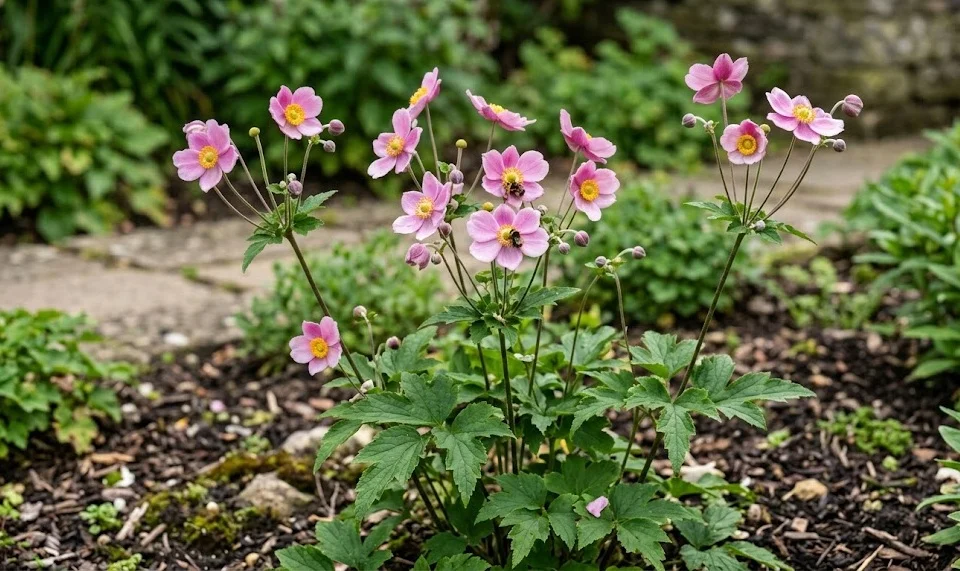

Maintaining a healthy garden environment is the most effective way to protect your Japanese anemone from the various biological threats that can compromise its vigor. While these plants are generally robust, they are not entirely immune to the attacks of certain pathogens and insects that thrive in similar conditions. Understanding the lifecycle of common pests and the symptoms of prevalent diseases allows you to intervene before significant damage occurs. A professional gardener prioritizes prevention and early detection as the foundation of a successful plant protection strategy.
Most issues that affect these perennials are tied to the environmental conditions in which they are grown, such as excessive humidity or poor air circulation. When the foliage remains wet for extended periods, it becomes a perfect breeding ground for fungal spores that are always present in the air. Similarly, stressed plants that are either too dry or malnourished are much more likely to fall victim to opportunistic insect infestations. By focusing on the overall well-being of the plant, you naturally increase its ability to resist and recover from these common challenges.
Diagnostic skills are essential for identifying whether a problem is caused by a living organism or an environmental factor like sunscald or nutrient deficiency. Fungal diseases often present as distinct spots or fuzzy coatings, while pest damage usually involves holes, distorted growth, or sticky residues. Taking the time to look closely at both the upper and lower surfaces of the leaves can provide critical clues about what is happening. Once you have a clear diagnosis, you can choose the most appropriate and least invasive method to address the problem.
Intervention should always start with the most benign cultural practices before moving toward chemical treatments. Removing infected leaves, improving spacing for better airflow, and adjusting your watering routine can often stop a problem in its tracks. Only when these methods fail should you consider more aggressive options, always keeping the health of the broader ecosystem in mind. Protecting your Japanese anemones is a continuous process that rewards the observant gardener with years of beautiful, trouble-free blooms.
Identifying and managing common fungal infections
Powdery mildew is one of the most frequent fungal issues encountered by those growing Japanese anemones, appearing as a white, flour-like coating on the leaves and stems. This disease thrives in warm, humid weather, particularly when the days are hot and the nights are cool and damp. While it is rarely fatal, a severe infection can weaken the plant by interfering with photosynthesis and making the foliage look unattractive. To manage mildew, try to increase the spacing between plants and avoid getting the leaves wet during your regular watering routine.
More articles on this topic
Downy mildew is another fungal threat that can be more damaging than its powdery counterpart, often causing yellow or purple spots on the upper leaf surfaces. If you flip the leaves over, you might see a grayish, fuzzy growth that indicates the presence of active spores. This pathogen thrives in very wet conditions and can spread rapidly through a garden if not addressed quickly. Removing and destroying infected foliage is the first step in control, followed by improving the drainage and airflow around the remaining healthy plants.
Leaf spot diseases caused by various fungi can lead to small, dark lesions that eventually merge and cause the entire leaf to turn brown and fall off. These infections are often spread by splashing water, which carries the spores from the soil or infected debris onto the healthy tissues. Keeping the garden bed clean of fallen leaves and using a layer of mulch to prevent soil splashing are excellent preventive measures. If the infection persists, a professional-grade organic fungicide applied early in the season can help protect the new growth from being colonized.
Botrytis cinerea, also known as gray mold, can sometimes affect the flower buds and open blossoms during particularly wet and overcast summers. This fungus causes the flowers to turn brown and mushy, often covered in a characteristic gray fuzz that gives the disease its name. It is important to remove any affected blooms immediately to prevent the spores from spreading to the rest of the plant. Ensuring that the plants are not overcrowded is the best way to keep the humidity levels low enough to discourage the growth of this persistent pathogen.
Dealing with persistent garden pests
Slugs and snails are perhaps the most notorious pests of the Japanese anemone, especially when the plants are young and the foliage is tender. These mollusks can consume large amounts of leaf tissue in a single night, leaving behind jagged holes and tell-tale silver slime trails. They are most active during damp weather and at night, hiding in cool, dark places like under mulch or large stones during the day. Using organic slug pellets or creating physical barriers like copper tape can help protect your plants from these voracious eaters.
More articles on this topic
Aphids are small, sap-sucking insects that can occasionally congregate on the tender new growth and flower buds of the anemone. Their feeding can cause the leaves to curl and become distorted, and they also excrete a sticky substance called honeydew that can lead to sooty mold. In many cases, a strong blast of water from a garden hose is enough to dislodge the aphids and keep their population under control. Encouraging natural predators like ladybugs and lacewings in your garden provides a long-term, biological solution to aphid management.
Nematodes, specifically the leaf or foliar variety, are microscopic worms that can cause significant internal damage to the leaf tissues of anemones. The symptoms typically appear as angular, brown patches between the leaf veins, which eventually cause the entire leaf to die and drop off. These pests move in the thin film of water on the outside of the plant, making it crucial to keep the foliage dry. Because nematodes can survive in the soil and plant debris, heavily infested specimens should be removed and destroyed to prevent the problem from spreading.
Caterpillars and various beetles may also make a temporary appearance on your anemones, though they are usually less of a persistent threat than slugs or aphids. Hand-picking these larger pests is often the most effective and environmentally friendly way to deal with them if the infestation is small. If you notice widespread defoliation, you may need to look closer to identify the specific culprit and determine if a targeted treatment is necessary. Most healthy, mature anemones can tolerate a small amount of insect feeding without any long-term impact on their health or flowering.
Preventive measures and garden sanitation
Sanitation is the cornerstone of any professional integrated pest management (IPM) strategy for Japanese anemones. At the end of each growing season, it is vital to remove all dead foliage and spent flower stalks from the garden bed. This material can harbor overwintering fungal spores and insect eggs that will be ready to attack the new growth as soon as spring arrives. By keeping the area around your plants clean, you significantly reduce the baseline population of potential threats.
Crop rotation is not usually possible with perennials, but you can achieve a similar effect by diversifying the plants in your borders. Monocultures are much more vulnerable to disease and pest outbreaks because there are no barriers to stop the spread of a pathogen once it takes hold. Mixing anemones with other species that have different susceptibilities creates a more resilient garden ecosystem. This diversity also attracts a wider range of beneficial insects that help keep pest populations in check naturally.
Soil health plays a massive role in the plant’s ability to defend itself against both diseases and pests. Plants grown in nutrient-rich, well-aerated soil have stronger cell walls and better chemical defenses than those struggling in poor conditions. Regularly amending your soil with high-quality compost and ensuring proper drainage provides the anemone with the resources it needs to stay healthy. A vigorous plant can often outgrow minor damage and resist infections that would easily overcome a weaker specimen.
Finally, always inspect any new plants you bring into your garden from a nursery or a friend before putting them in the ground. Many pests and diseases are introduced through infested pots or contaminated soil, which can quickly spread to your existing collection. If you see any suspicious spots, webs, or insects on a new plant, keep it in a separate area for a few weeks until you are sure it is clean. This simple quarantine practice is one of the most effective ways to maintain a healthy and thriving garden over the long term.
Organic and biological control methods
When a problem does arise, many professional gardeners prefer to use organic and biological controls that have a lower impact on the surrounding environment. Neem oil is a versatile tool that acts as both a mild fungicide and an insecticide, making it useful for managing everything from mildew to aphids. It works by disrupting the lifecycle of pests and preventing fungal spores from germinating on the leaf surface. Always apply these products during the late evening to avoid harming bees and other beneficial insects that are active during the day.
Biological controls involve using the natural enemies of pests to keep their populations at manageable levels. For example, you can purchase predatory nematodes to control soil-dwelling pests or release ladybugs to handle aphid outbreaks. Creating a garden that is friendly to birds, toads, and spiders also provides a constant, natural defense against many common insects. These “garden allies” work around the clock to maintain the balance of your ecosystem, reducing the need for human intervention.
Baking soda sprays are a classic home remedy that can be surprisingly effective against powdery mildew on Japanese anemones. A simple mixture of water, a small amount of baking soda, and a drop of horticultural soap creates an alkaline environment on the leaf that fungi find difficult to inhabit. This method is inexpensive and safe to use, though it may need to be reapplied after heavy rain to remain effective. It is best used as a preventive measure or at the very first sign of infection for the best results.
Using physical barriers and traps is another way to manage pests without resorting to chemicals in your garden beds. Beer traps are a famous and effective way to drown slugs and snails that are attracted to the yeast and sugar. Cardboard collars placed around the base of young plants can also deter certain ground-dwelling insects from reaching the tender stems. These low-tech solutions are often all that is needed to protect your Japanese anemones through their most vulnerable stages of growth.
Knowing when to intervene with specialized solutions
There are times when cultural and organic methods may not be enough to save a prized specimen or stop a rapidly spreading disease. In these cases, it is important to recognize the limit of natural interventions and decide if a more specialized approach is required. Professional-grade fungicides or systemic insecticides should be used as a last resort and with great care to follow all safety labels. Understanding the specific target and the appropriate timing for application is crucial for these treatments to be both effective and safe.
If a plant is repeatedly hit by the same disease year after year despite your best efforts, it may be a sign that the location is fundamentally unsuitable. Sometimes, the most professional decision is to remove the plant entirely and replace it with a more resistant variety or a different species. This prevents the site from becoming a permanent reservoir for pathogens that could infect other parts of your garden. Gardening is an ongoing experiment, and recognizing when to move on is part of the learning process.
Consulting with local agricultural extension offices or professional horticultural societies can provide valuable insights into specific regional threats. Often, there are localized outbreaks of certain pests or diseases that require a coordinated response or specific timing for treatment. These experts can offer diagnostic services that identify problems which might be invisible to the naked eye, such as viral infections or specific soil pathogens. Staying informed about the health of the broader landscape helps you become a more effective steward of your own garden.
In the end, the goal of managing diseases and pests is not to create a sterile, bug-free environment but to maintain a healthy balance. A few holes in a leaf or a bit of mildew late in the season is often a normal part of a plant’s life and does not require aggressive action. By focusing on the big picture and supporting the plant’s natural defenses, you ensure that your Japanese anemones remain a vibrant and joyful part of your garden for many years. Consistent care and a watchful eye are your best tools for long-term success.