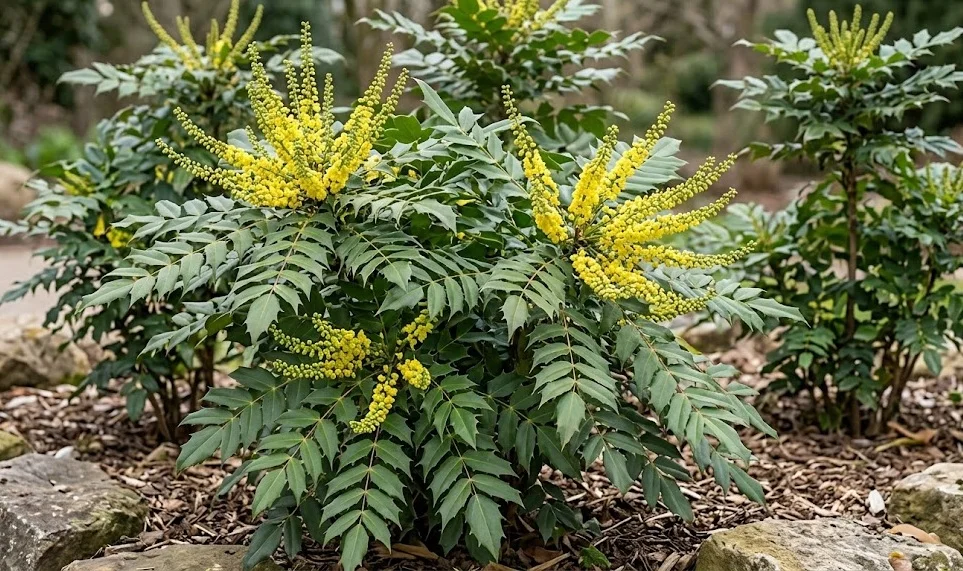

Selecting the perfect location and using the correct techniques during the planting process are essential steps for the long-term success of your Japanese mahonia. These shrubs are known for their longevity, but they require a thoughtful start to establish a strong and healthy root system. You should consider the natural preferences of the species, which typically involves partial shade and protection from the harshest environmental elements. A well-planned planting strategy will ensure that the shrub integrates seamlessly into your garden landscape and thrives for many years.
Preparation begins with analyzing the site for its light exposure, wind patterns, and soil quality before you even bring the plant home. You should choose a spot that offers filtered sunlight or afternoon shade to protect the leathery leaves from potential sun damage. The soil should be well-draining and rich in organic matter to provide the necessary nutrients for initial growth. Taking the time to prepare the site properly will significantly reduce the transplant shock and encourage faster establishment.
The timing of the planting is also a critical factor that can influence the survival rate of your new mahonia specimen. It is generally best to plant during the cooler months of autumn or early spring when the plant is not under heat stress. This allows the roots to grow and settle into the soil before the demands of the summer sun or the extreme cold of winter. Proper timing ensures that the plant can focus its energy on subterranean development rather than maintaining lush top growth.
Once the site is chosen and the timing is right, the actual physical process of planting must be handled with care. You should dig a hole that is significantly wider than the root ball but no deeper than the container the plant came in. Maintaining the correct planting depth is crucial for preventing stem rot and ensuring the roots have access to oxygen. With the right foundation in place, your Japanese mahonia will be well on its way to becoming a magnificent feature in your garden.
Site selection and soil preparation for success
Choosing the right location involves more than just finding an empty space in the garden border. You should look for a spot that mimics the understory of a forest, where the light is dappled and the air is relatively still. Protection from cold, drying winds is particularly important, as these can cause significant damage to the evergreen foliage during the winter. A site near a wall or under the protection of taller trees often provides the ideal microclimate for this species.
More articles on this topic
Before you begin digging, it is important to clear the area of any aggressive weeds or grass that might compete with the young shrub for resources. You should work the soil deeply, breaking up any large clumps and removing stones that could hinder root penetration. Incorporating a generous amount of well-rotted compost or leaf mold will improve the soil structure and fertility significantly. This organic matter also helps to retain moisture while still allowing excess water to drain away freely.
Testing the soil’s drainage capacity is a simple but vital step in the preparation process. You can do this by digging a small hole, filling it with water, and observing how long it takes for the liquid to disappear completely. If the water lingers for more than an hour, you may need to add more grit or consider planting the mahonia in a slightly elevated position. Ensuring excellent drainage from the very beginning will prevent many of the most common health problems associated with this plant.
Finally, consider the ultimate size of the mature Japanese mahonia and leave enough space for it to expand without crowding. These shrubs can grow quite wide over time, and their architectural form is best appreciated when they have room to breathe. Proper spacing also ensures good air circulation, which is key to preventing fungal issues on the leaves. A well-prepared site is the best gift you can give to a new plant as it enters your garden.
Step by step guide to the planting process
When you are ready to plant, start by watering the mahonia in its original container to ensure the root ball is thoroughly moist. Carefully remove the plant from the pot, taking care not to damage the delicate roots or break the main stems. If the roots are circling the pot, you should gently loosen them with your fingers to encourage them to grow outwards. This simple action helps the plant establish itself much faster in its new home.
More articles on this topic
Place the shrub in the center of the prepared hole and check its level relative to the surrounding ground. The top of the root ball should be exactly even with or slightly above the soil surface to prevent water from pooling around the base. You can use a shovel handle laid across the hole to verify that the depth is correct before you start backfilling. Adjusting the depth at this stage is much easier than trying to fix it once the hole is filled.
Fill the space around the root ball with a mixture of the native soil and the organic amendments you prepared earlier. You should firm the soil gently with your hands as you go to remove any large air pockets without compacting the ground too tightly. Watering the hole halfway through the backfilling process can also help to settle the soil around the roots naturally. Once the hole is full, create a small basin of soil around the base to help direct water toward the root zone.
The final step is to apply a thick layer of mulch, such as bark chips or shredded leaves, around the base of the plant. This mulch helps to conserve moisture, suppress weeds, and regulate the temperature of the soil during the first critical months. Be careful to keep the mulch a few inches away from the main stem to ensure proper air circulation around the bark. Give the plant a final, deep watering to finish the job and settle everything into place.
Propagation techniques using hardwood cuttings
Propagating Japanese mahonia from cuttings is a rewarding way to create new plants for your garden or to share with friends. Hardwood cuttings are typically taken in late autumn or early winter when the plant is dormant and the wood has matured. You should select healthy, straight stems from the current year’s growth that are about the thickness of a pencil. Using a sharp, sterilized knife or pruning shears will ensure clean cuts that heal quickly and minimize the risk of infection.
Each cutting should be approximately six to eight inches long and contain several nodes where the leaves were previously attached. Make a horizontal cut just below a bottom node and a slanted cut at the top to help identify which end is which. Removing the lower leaves will reduce moisture loss and make it easier to insert the cutting into the rooting medium. Dip the bottom end into a rooting hormone powder to stimulate the development of new roots and protect against decay.
Insert the cuttings into a pot filled with a well-draining mix of peat and perlite or coarse sand. You should bury at least half of the cutting’s length in the medium to ensure it remains stable and has plenty of contact with moisture. Place the pot in a cold frame or a sheltered spot in the garden where it will be protected from extreme frost but still experience winter temperatures. Keep the medium consistently moist but never waterlogged throughout the rooting process, which can take several months.
By the following spring or early summer, you should see new growth emerging from the top nodes of the cuttings. This is a clear sign that roots have successfully formed and the new plants are starting to establish themselves. You can then carefully pot them up into individual containers with a standard potting mix to grow on for another season. Once they have a strong root system and several sets of leaves, they will be ready to be planted out into their permanent garden positions.
Growing Japanese mahonia from seeds
Starting mahonia from seeds is a slower process than using cuttings, but it allows you to produce a large number of plants relatively cheaply. The seeds are found inside the dark berries that mature in the late spring or early summer after the flowering period. You should collect the berries when they are fully ripe and have turned a deep, dusty blue or black color. It is important to clean the seeds immediately by mashing the fruit and rinsing away the pulp in a fine sieve.
Once the seeds are clean, they require a period of cold stratification to break their natural dormancy and trigger germination. You can achieve this by mixing the seeds with damp sand or vermiculite and placing them in a sealed bag in the refrigerator for about three months. This process mimics the natural winter conditions the seeds would experience on the forest floor before sprouting in the spring. Monitoring the bag for any signs of mold or premature sprouting is essential during this cold period.
After the stratification period is complete, sow the seeds in trays filled with a high-quality seed starting mix. Cover them lightly with a thin layer of soil and place the trays in a warm, bright location but away from direct sunlight. Germination can be erratic and may take several weeks or even months, so patience is required during this phase. Keep the soil surface moist using a fine mist sprayer to avoid washing away the small seeds.
As the seedlings grow and develop their first true leaves, they will begin to resemble tiny versions of the adult plant. You should transplant them into larger individual pots once they are big enough to handle without causing damage to the delicate stems. Young mahonia plants are quite sensitive to extreme conditions, so keep them in a sheltered nursery area for their first year or two. Eventually, these home-grown specimens will be strong enough to take their place in your landscape and continue the cycle of growth.