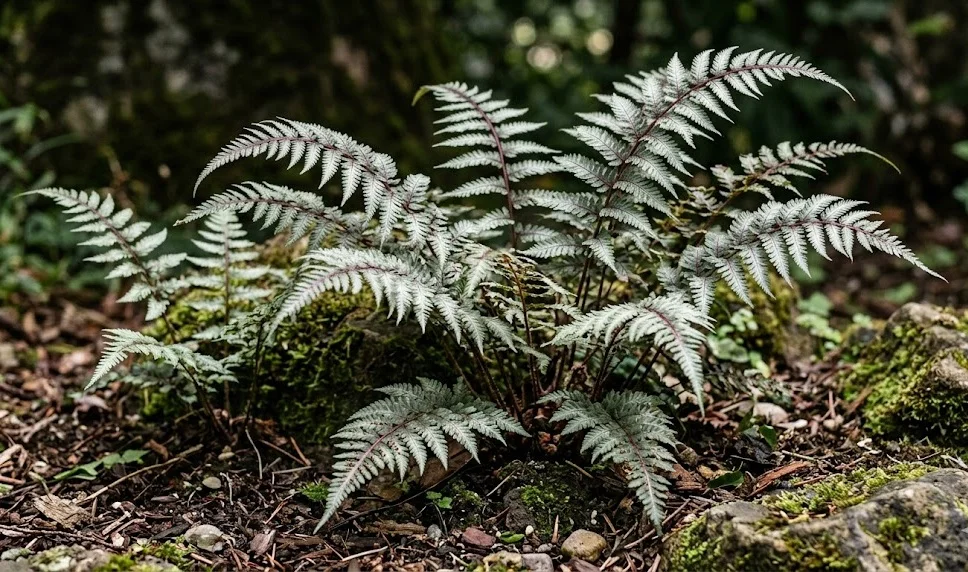

Effective hydration and nutrition are the two pillars of success when it comes to maintaining the vibrant health of the Japanese painted fern. Because this species originated in damp, mountainous woodland areas, it has evolved to require a steady and reliable supply of moisture. Without proper watering, the stunning silver and burgundy tones of the foliage will quickly lose their luster and may even turn brown. Similarly, a thoughtful approach to fertilization ensures the plant has the necessary building blocks to produce its intricate and delicate frond structures.
Watering should always be approached with the goal of keeping the soil consistently moist but never waterlogged or stagnant. The rhizomes of the fern are sensitive to oxygen deprivation, which occurs when the soil is completely saturated for extended periods. Ideally, the earth should feel like a wrung-out sponge—damp to the touch but without visible water pooling on the surface. During the peak of the summer heat, you may find that daily watering is necessary, especially if the fern is planted in a location with more light.
The method of delivery is just as important as the amount of water provided to the plant throughout the growing season. It is best to water at the base of the plant rather than spraying directly onto the delicate fronds from above. Water sitting on the leaves can act as a magnifying glass in the sun, causing burns, or it can encourage the growth of fungal diseases. Using a soaker hose or a watering can with a narrow spout allows you to target the roots directly while keeping the foliage dry.
Timing is the final element of a professional watering routine, with early morning being the most beneficial time for the plant. Morning watering allows the fern to hydrate fully before the heat of the day increases the rate of transpiration. It also ensures that any accidental splashes on the leaves have time to dry before evening, reducing the risk of overnight rot. If you must water in the evening, try to do so well before sunset to give the plant time to settle before the temperature drops.
Establishing a fertilization schedule
Fertilizing the Japanese painted fern requires a “less is more” philosophy to avoid damaging the plant’s sensitive root system. In many cases, if the soil is already rich in organic matter and compost, very little supplemental feeding is actually required. However, in poorer soils or to give a boost to young plants, a light application of fertilizer can be beneficial. The best time to apply nutrients is in the early spring as the new growth begins to emerge from the crown.
More articles on this topic
A balanced, slow-release fertilizer is usually the safest choice for those who want to ensure a steady supply of nutrients over several months. Look for a product with an N-P-K ratio that is fairly even, such as a 10-10-10 or a specific formula designed for ferns and shade plants. Avoid using high-nitrogen lawn fertilizers near your ferns, as these can cause unnaturally rapid growth that is weak and prone to pests. One application in the spring is typically sufficient for the entire growing season in most garden settings.
For gardeners who prefer organic methods, liquid seaweed or fish emulsion can be used as a gentle alternative to synthetic pellets. These liquid fertilizers provide a wide range of trace minerals that can enhance the metallic sheen of the foliage. When using liquid feeds, it is best to dilute them to half the recommended strength to prevent any risk of root burn. Applying these every four to six weeks during the spring and early summer can yield excellent results without the risk of salt buildup.
Stop all fertilization by mid-summer to allow the plant to naturally prepare for its dormant period in the winter. Feeding the plant late in the season can stimulate new growth that won’t have time to harden off before the first frost arrives. This tender growth is highly susceptible to cold damage and can weaken the overall health of the rhizome. By following the natural cycle of the seasons, you ensure the fern remains strong and resilient year after year.
Managing humidity and water quality
In addition to soil moisture, the humidity in the air plays a vital role in the physiological health of the Japanese painted fern. If the air is too dry, the plant will lose water through its leaves faster than it can be replaced, leading to crispy, brown edges. This is a common problem in inland areas or during particularly dry summer spells with low dew points. You can increase local humidity by grouping plants together or by placing a shallow tray of water and pebbles near the base of the plant.
More articles on this topic
The quality of the water you use can also have a surprising impact on the appearance and health of your ferns. These plants can be sensitive to high levels of chlorine or fluoride often found in municipal tap water supplies. Over time, these chemicals can accumulate in the soil and cause the leaf tips to turn brown or yellow. If possible, using harvested rainwater is the gold standard for watering ferns, as it is naturally soft and free of synthetic additives.
If rainwater is not an option, allowing tap water to sit in an open container for 24 hours before use can help some of the chlorine dissipate. For gardeners in areas with very hard water, the high mineral content can eventually shift the soil pH toward the alkaline side. This shift makes it harder for the fern to absorb essential micronutrients like iron and manganese. Periodically checking the soil pH and using an acidifying mulch can help counteract the effects of hard water.
Monitoring the plant’s reaction to your watering and feeding routine is the best way to fine-tune your approach. If the new fronds are coming in small and pale, it may be a sign that the plant needs a bit more nutrition. On the other hand, if the foliage is dark green but the plant seems “floppy,” you might be over-fertilizing with too much nitrogen. A professional gardener learns to read these subtle signs and adjusts their care plan to meet the specific needs of each individual plant.
Recognizing the signs of overwatering
Overwatering is perhaps the most common cause of failure for those new to growing the Japanese painted fern. When the soil is perpetually saturated, the roots cannot access oxygen, leading to a condition known as root rot. The first signs of this problem are often a general yellowing of the fronds and a lack of new growth. If you notice a foul odor coming from the soil, it is a definitive sign that anaerobic bacteria have begun to break down the dying root tissue.
To correct an overwatering issue, the first step is to stop irrigation immediately and allow the soil to dry out significantly. You may need to gently lift the plant to inspect the roots; healthy roots are firm and light-colored, while rotted ones are mushy and black. If the damage is not too extensive, you can trim away the dead roots and replant the fern in fresh, well-draining soil. Improving the drainage of the area by adding grit or planting on a slight mound can prevent the problem from recurring.
Environmental factors like heavy rainfall can sometimes take the control out of the gardener’s hands, especially in poorly drained sites. In these situations, it may be necessary to temporarily divert water away from the fern bed or use a garden fork to gently aerate the soil. Be careful not to damage the shallow rhizomes while doing this, as physical injury can provide an entry point for pathogens. Once the weather dries out, the plant will usually recover if the crown has not been compromised.
Understanding the difference between a thirsty plant and a drowning one is a skill that comes with experience. A thirsty fern will have fronds that look slightly wilted or dull, but they will quickly perk up once water is applied to the soil. A plant suffering from overwatering will often look “sick” even when the soil is wet, and its fronds may feel soft or slimy. By erring on the side of caution and checking the soil depth before watering, you can avoid the heartbreak of losing a beautiful specimen to excess moisture.
Long-term strategies for hydration and nutrition
As the Japanese painted fern matures and its root system expands, its watering needs may change slightly. Established plants are generally more resilient to brief dry spells than newly planted ones, but they still prefer consistent moisture. Developing a deep-root watering strategy involves occasional heavy soakings rather than frequent light sprinkles. This encourages the roots to grow deeper into the soil, where they are better protected from surface evaporation and temperature swings.
Maintaining a thick layer of organic mulch is one of the most effective long-term strategies for both moisture retention and natural fertilization. As the mulch decomposes, it turns into humus, which has an incredible ability to hold onto water molecules. This process also releases a slow and steady stream of nutrients back into the soil, mimicking the natural nutrient cycle of a forest. By simply replenishing the mulch each year, you reduce the need for both supplemental watering and chemical fertilizers.
In regions with very sandy soil, incorporating water-absorbing crystals or biochar during the initial planting can provide a long-term buffer against drought. These materials act like tiny reservoirs in the soil, holding onto moisture and releasing it slowly as the roots need it. This can be particularly helpful for gardeners who cannot attend to their plants every single day during the summer. Combined with a robust mulching program, these amendments can make a shaded garden much more self-sufficient.
Ultimately, the goal of watering and fertilizing is to support the natural beauty and longevity of the Japanese painted fern without over-complicating the process. By paying attention to the weather, the soil texture, and the plant’s own visual cues, you can create an environment where it will flourish. A well-hydrated and properly fed fern will reward you with a shimmering, metallic display that remains a highlight of the garden for many years. Consistent care is the secret to a professional-grade landscape that looks effortless and vibrant.