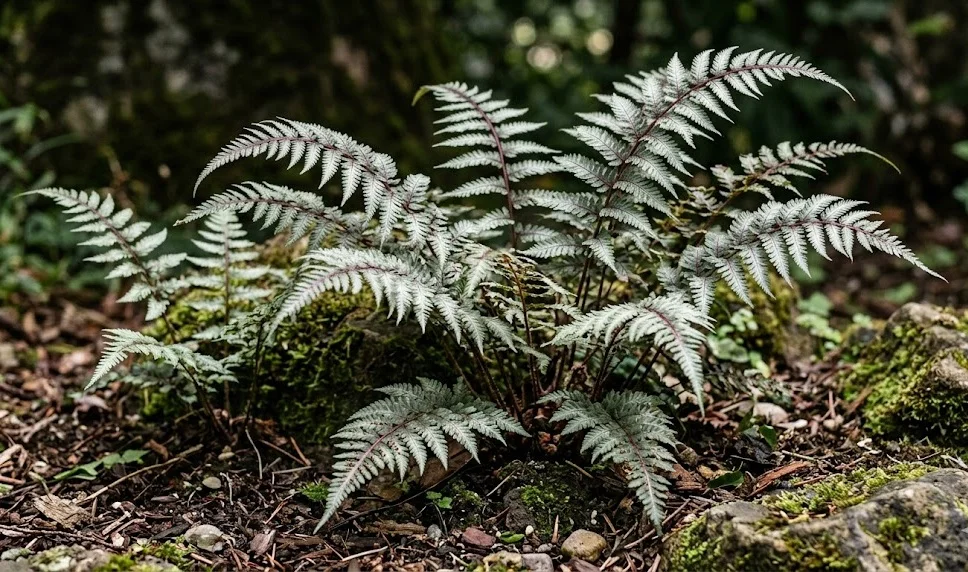

Caring for the Japanese painted fern requires a delicate balance of patience and understanding of its specific environmental needs. This perennial plant is highly valued for its striking silver and burgundy fronds that bring a metallic sheen to shaded garden corners. Unlike many other ferns that remain strictly green, this variety offers a unique color palette that shifts throughout the growing season. To keep it thriving, a gardener must replicate the cool, moist conditions of its native woodland habitats while avoiding the common pitfalls of over-saturation.
Maintaining the structural integrity of the plant is a task that begins with observing its growth patterns during the spring. As the fiddleheads emerge from the soil, they are particularly sensitive to late frosts and physical disturbances. Providing a quiet area where the plant can slowly unfurl its fronds ensures that the delicate foliage remains undamaged. A healthy specimen will eventually form a low, spreading mound that serves as an excellent ground cover for damp, shaded areas.
The overall vitality of the fern is often reflected in the intensity of the coloration found on its pinnate leaves. If the silver or purple hues appear faded, it is often a sign that the environmental conditions are not ideal for the plant’s metabolic processes. Regular monitoring of the leaf health allows for quick adjustments in light or moisture before the plant becomes stressed. Enthusiasts often find that the most vibrant colors appear on slightly more mature plants that have established a deep root system.
Longevity in the garden is achieved through a consistent routine of minimal intervention and environmental stability. This fern does not appreciate frequent relocation, as its rhizomes need time to anchor themselves securely into the humus-rich earth. By establishing a permanent spot that mimics a forest floor, you allow the plant to focus its energy on foliage production rather than recovery. Over time, the reward is a lush, shimmering display that becomes the centerpiece of any shade-loving plant collection.
Creating the ideal soil environment
Soil quality is arguably the most critical factor when looking at the long-term health of this particular fern species. It thrives best in a medium that is rich in organic matter, such as leaf mold or well-rotted compost, which provides a steady supply of nutrients. The texture should be loose and friable, allowing the delicate roots to penetrate easily without encountering heavy clay barriers. Most experts recommend a slightly acidic to neutral pH level to facilitate the best nutrient uptake from the ground.
More articles on this topic
Aeration within the soil is just as important as the nutrient content because the rhizomes need oxygen to function properly. Compacted earth can lead to a lack of vigor and may eventually cause the root system to suffocate during periods of heavy rain. Incorporating coarse sand or fine grit into the planting hole can improve drainage while still retaining enough moisture for the plant’s needs. This structural balance prevents the roots from sitting in stagnant water, which is a common cause of failure for beginners.
The presence of beneficial microorganisms in the soil can significantly boost the resilience of the Japanese painted fern. Using organic mulches helps to foster a healthy soil biome that breaks down complex materials into absorbable minerals. These tiny organisms also help to maintain a consistent soil structure that resists erosion and temperature fluctuations. A thriving underground ecosystem translates directly into more robust fronds and better resistance to environmental stressors above the surface.
Replenishing the organic layer on an annual basis ensures that the soil does not become depleted over the years. As the fern grows, it consumes the readily available nitrogen and phosphorus within its immediate vicinity. By gently scratching a layer of fresh compost into the surface each spring, you provide a slow-release fuel source for the upcoming growing season. This practice mimics the natural cycle of leaf fall in a forest, which is the plant’s evolutionary baseline for survival.
Understanding microclimate and humidity
The humidity levels surrounding the plant play a major role in preventing the edges of the fronds from turning brown and brittle. In dry climates, the moisture evaporates from the leaf surface faster than the roots can replace it, leading to a scorched appearance. Creating a localized microclimate by planting ferns in groups can help trap moisture near the ground level. Some gardeners even use small water features or misting systems to keep the air sufficiently damp during the peak of summer.
More articles on this topic
Protection from harsh, drying winds is another essential aspect of providing a professional level of care for this species. Strong gusts can physically tear the thin fronds or cause rapid transpiration that the plant cannot recover from quickly. Placing the fern behind larger shrubs or near the base of a wall provides a necessary windbreak that preserves the plant’s delicate structure. This shelter also helps to maintain a more consistent temperature around the foliage, which encourages steady growth.
Temperature stability is a hidden key to success, as extreme heat can cause the plant to enter a temporary state of dormancy. While the fern is cold-hardy, it does not tolerate baking summer afternoons without significant stress. Ideally, the ambient temperature should remain moderate, mirroring the cool understory of a dense canopy. If the area becomes too hot, the plant may drop its older fronds prematurely to conserve energy and water for the core rhizome.
The interplay between shade and air circulation must be managed carefully to avoid stagnant conditions. While wind protection is necessary, a complete lack of airflow can lead to high humidity levels that encourage the growth of unwanted molds. Finding a spot with dappled light and a gentle, consistent breeze is the “sweet spot” for most varieties. This balance ensures that the leaves stay dry enough to prevent rot while the air remains moist enough to sustain the cell structure.
Managing seasonal transitions
The transition from spring to summer marks the period of most rapid growth and requires the most attention from the gardener. As the days lengthen, the fern will produce several rounds of new fronds, each adding to the density of the mound. During this time, ensuring that the moisture levels remain constant is vital for supporting the expansion of the new foliage. Sudden dry spells during this phase can stunt the growth of the young fiddleheads, leading to smaller or misshapen leaves.
As summer progresses into autumn, the plant begins to shift its focus from outward growth to energy storage within the rhizome. You may notice that the vibrant silver colors begin to take on a more muted, bronze tone as the season wanes. This is a natural part of the plant’s life cycle and should not be mistaken for a sign of poor health. Reducing supplemental feeding during this period helps the fern prepare for the natural slowdown that comes with cooler weather.
Late autumn care involves clearing away any fallen debris from other plants that might smother the fern’s crown. While a light layer of leaves can act as mulch, a heavy, wet mat of foliage can trap too much moisture and cause the rhizome to rot. Gently brushing away excess debris ensures that the plant can “breathe” as it enters its dormant phase. This is also a good time to mark the location of the plant so it isn’t accidentally stepped on during the winter months.
Spring emergence is perhaps the most exciting time for any fern enthusiast, as the silver-tipped coils push through the soil. It is important to wait until the danger of hard frost has passed before removing any protective winter coverings. Moving too early can expose the tender new growth to freezing temperatures that can kill the primary buds. Once the weather stays consistently above freezing, a light application of water and a thin layer of fresh mulch will jumpstart the new season.
Optimization of aesthetic appearance
The visual appeal of the Japanese painted fern is often enhanced by the plants that surround it in the garden bed. Pairing it with dark green hostas or deep purple heucheras creates a high-contrast environment that makes the silver fronds “pop.” These companion plants also share similar cultural requirements, making them ideal partners for a low-maintenance shade garden. When arranged in drifts or clusters, the ferns create a shimmering effect that moves beautifully with the slightest breeze.
Maintaining the shape of the mound requires the occasional removal of older, tattered fronds that may be obscuring newer growth. By cutting these back at the base, you allow more light and air to reach the center of the plant. This practice not only keeps the specimen looking neat but also prevents the build-up of dead organic material that could harbor pests. Using sharp, sterilized shears ensures a clean cut that heals quickly without inviting infection.
For those who want to maximize the “metallic” look of the foliage, the timing of sunlight is everything. A very brief exposure to early morning sun can actually brighten the silver pigments without burning the delicate tissues. However, this is a delicate balance that depends heavily on your local climate and the specific positioning of the plant. Experimenting with different spots in the garden can help you find the exact location where the light hits the leaves just right.
The overall size of the plant should be monitored to ensure it doesn’t become overcrowded and lose its distinctive arching form. If the center of the mound begins to look thin or the fronds start to overlap too aggressively with neighbors, it may be time for a simple thinning. Keeping the plant within its allotted space allows each individual frond to be seen and appreciated for its intricate detail. A well-spaced fern garden feels intentional and professional rather than overgrown and messy.
Nutritional balance and long-term health
While these ferns are not heavy feeders, providing the right nutrients at the right time can significantly enhance their vigor. A balanced, slow-release fertilizer applied in early spring provides a steady stream of minerals throughout the growing season. It is crucial to avoid high-nitrogen fertilizers that promote rapid, weak growth at the expense of structural strength. Instead, look for formulas designed for shade plants or woodland species that emphasize a more holistic nutrient profile.
Over-fertilizing is a common mistake that can lead to salt buildup in the soil, which eventually dehydrates the roots. If you notice the tips of the fronds turning brown despite adequate watering, it might be an indication of nutrient toxicity. Flushing the soil with clean, distilled water can help leach out excess salts and restore the balance. Using natural amendments like fish emulsion or seaweed extract is often a safer alternative for those worried about chemical burns.
The relationship between soil pH and nutrient availability is something every serious gardener should understand. In soil that is too alkaline, certain micronutrients like iron become “locked up” and unavailable to the fern. This can result in chlorosis, where the leaves turn yellow while the veins remain green. Adjusting the pH with sulfur or organic matter can unlock these nutrients and restore the plant’s natural coloration.
As the fern matures over several years, it may eventually deplete the immediate area of specific trace elements. Periodic soil testing can provide a clear picture of what might be missing from the environment. Adding a small amount of rock dust or specialized trace mineral supplements can revitalize an old planting bed. This long-term approach to nutrition ensures that the ferns remain a permanent and healthy fixture of the landscape.
Managing environmental stressors
Unexpected weather events like heatwaves or prolonged droughts require immediate action to protect the fern’s health. During such times, increasing the frequency of watering while ensuring the water reaches deep into the root zone is essential. Applying a temporary shade cloth can also help lower the temperature of the foliage and prevent sunscald. These emergency measures can mean the difference between a thriving plant and one that dies back to the ground.
Urban environments present unique challenges, such as air pollution and reflected heat from pavement or walls. The Japanese painted fern is relatively resilient, but it may accumulate dust on its fronds, which can interfere with photosynthesis. Gently hosing down the foliage in the early morning can clean the leaves and provide a temporary boost in humidity. This simple act of maintenance helps the plant cope with the stresses of city gardening.
Physical damage from pets or heavy foot traffic can be a major setback for these slow-growing plants. Because the fronds are so delicate, they do not recover well from being crushed or bent. Installing low decorative fencing or strategically placed rocks can guide traffic away from the fern beds. Creating a “no-go” zone around the most prized specimens ensures they can grow undisturbed for the entire season.
Finally, understanding that every garden has its own unique set of challenges is part of the professional gardening journey. What works in a cool, coastal garden might not work in a humid, inland area, and adjustments must be made accordingly. By observing the plant’s reactions to its specific environment, you become a more intuitive and successful caretaker. The Japanese painted fern rewards this attention with a level of beauty that is truly unmatched in the world of shade perennials.