
Providing the ideal environment for this epiphytic beauty requires a nuanced understanding of its natural tropical habitat. While many enthusiasts view it as a simple houseplant, achieving consistent health demands attention to micro-climatic factors such as humidity and air movement. The plant thrives when its unique biological needs are met through a combination of traditional potting and specialized epiphytic care techniques. Success begins with recognizing that this species absorbs most of its nutrients and moisture through its foliage rather than a complex root system.
Creating the perfect home for your plant involves selecting a location that mimics the dappled sunlight of a rainforest canopy. Indoor gardeners should look for spots near east or west-facing windows where the light is bright but never harsh or direct. Intense midday sun can quickly scorch the delicate leaves, leading to unsightly brown patches and a decline in overall vigor. On the other hand, insufficient light will prevent the stunning pink bract from developing its signature vibrant hue.
Temperature stability is another critical pillar of long-term care for this tropical inhabitant throughout the growing season. It generally prefers a range between fifteen and twenty-seven degrees Celsius to maintain active metabolic processes and healthy cell structure. Fluctuations that drop below ten degrees can cause significant physiological stress, potentially leading to the death of the specimen. It is vital to keep the plant away from cold drafts, air conditioning vents, or heaters that can sap moisture from the surrounding air.
Humidity is perhaps the most misunderstood aspect of maintaining this specific variety within a standard residential or office setting. Since it is native to humid environments, it requires an atmospheric moisture level of at least fifty percent to thrive properly. You can achieve this by placing the pot on a tray filled with pebbles and water or by using a dedicated humidifier. In many cases, daily misting is necessary to ensure the trichomes on the leaves can absorb enough water from the air.
Air circulation plays a quiet but essential role in preventing the stagnant conditions that often lead to rot or fungal issues. In the wild, these plants are perched high in trees where breezes constantly refresh the air around their leaves and base. When grown indoors, a small fan or a nearby open window can provide the necessary movement to keep the plant healthy. Just be careful that the air movement is not so strong that it completely dehydrates the foliage in a matter of hours.
More articles on this topic
The potting medium should be chosen with the plant’s epiphytic nature in mind, focusing on drainage and aeration above all else. Many professionals prefer a mix specifically designed for orchids or bromeliads, often containing bark, perlite, and a small amount of peat moss. Traditional potting soil is far too dense and will likely suffocate the roots, leading to a quick demise. Ensure the container has plenty of drainage holes so that excess water can escape immediately after every watering session.
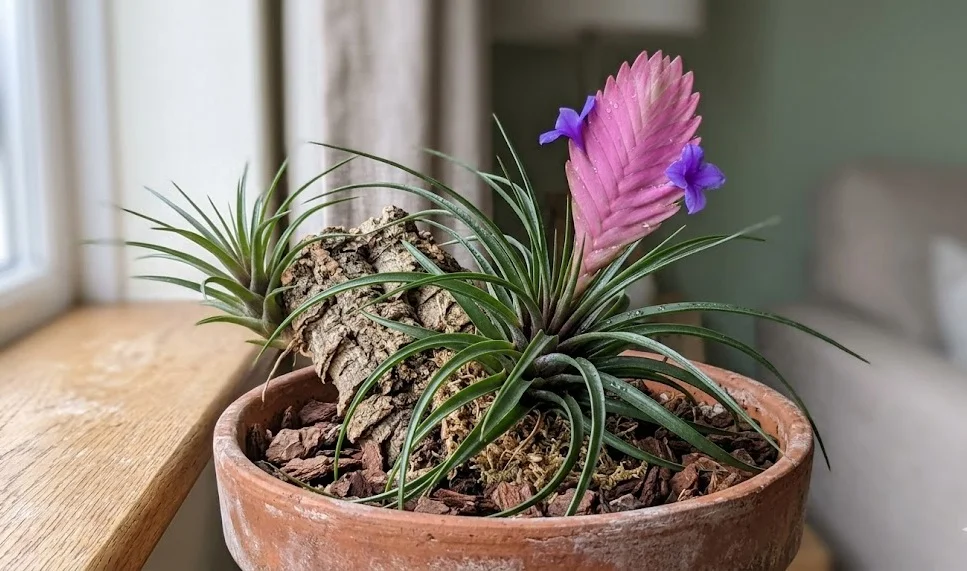
Monitoring the growth cycle allows you to adjust your care routine as the plant moves from its vegetative state to the flowering phase. The most striking feature of this plant is the large, paddle-shaped pink bract that eventually produces small, deep violet flowers. Once the flowering cycle is complete, the bract will slowly lose its color and turn green or brown. This transition is a natural part of the plant’s life cycle and indicates that energy is being redirected toward producing new growth.
Long-term success depends on the patience to allow the plant to mature and produce offsets, which are small clones of the parent. These “pups” will emerge from the base of the main rosette and eventually grow into independent plants. Keeping the mother plant healthy after blooming ensures that these offsets have a strong start and plenty of nutrients. With the right balance of light, water, and air, this fascinating species can remain a centerpiece of your collection for many years.
Understanding atmospheric requirements
The atmospheric needs of this species are distinct from those of traditional terrestrial plants found in most gardens. Because it functions as an epiphyte, it has evolved to gather everything it needs from the surrounding air and occasional rain. This means the quality of your indoor air, including its pollutants and moisture content, directly impacts the plant’s health. High-quality air filters and regular ventilation can help maintain a clean environment for optimal gas exchange through the foliage.
More articles on this topic
Micro-climates within your home can vary significantly from one room to another, affecting the growth rate of the bract. A bathroom with a window often provides the highest humidity, making it an excellent choice for this particular bromeliad. However, if the room lacks proper light, the plant will stretch and lose its compact, attractive shape. Testing different locations with a hygrometer can help you find the absolute best spot for your specific environment.
Seasonal changes in the atmosphere require the gardener to remain vigilant and adaptable throughout the calendar year. During the summer, increased heat might require more frequent misting to combat the rapid evaporation of moisture. Conversely, winter heating systems can create an extremely dry environment that is lethal to tropical species. Adjusting your care routine based on these external factors is the mark of a truly professional and dedicated plant keeper.
Maintaining a clean leaf surface is essential for the plant’s ability to breathe and absorb nutrients effectively. Dust accumulation can block the tiny pores, known as stomata, and the specialized water-absorbing scales called trichomes. Gently wiping the leaves with a damp cloth or giving the plant a lukewarm shower every few weeks will prevent this buildup. This simple maintenance task not only improves the plant’s health but also enhances its visual appeal in your home.
Managing the growth environment
The physical structure supporting your plant must allow for maximum oxygen flow to the root zone at all times. Whether you choose to mount it on a piece of driftwood or keep it in a pot, the priority remains the same. Epiphytes are susceptible to “wet feet,” a condition where moisture lingers too long around the base of the plant. Choosing a porous container like terracotta can help wick away excess moisture and provide a healthier root environment.
Lighting conditions should be monitored periodically to ensure the plant is receiving the correct spectrum for photosynthesis. While natural light is always preferred, high-quality LED grow lights can supplement the needs of plants in darker rooms. The key is to provide a consistent light cycle of about twelve to fourteen hours per day. If the leaves start to turn a pale yellowish-green, it is often a sign that the light intensity is too high.
Spacing between plants in a collection is vital for preventing the spread of pests and ensuring adequate air flow. Crowding multiple specimens together can create pockets of high humidity but also prevents the leaves from drying out properly. Aim for a few inches of space between the foliage of neighboring plants to maintain a healthy balance. This also makes it much easier to inspect each plant individually for signs of stress or disease.
Seasonal shifts in light duration and intensity should prompt a relocation of the plant if necessary to maintain its health. As the sun sits lower in the sky during the winter months, you may need to move your specimen closer to the window. In the peak of summer, moving it back a few feet will prevent heat stress and potential leaf burn. Observing how the light moves through your space throughout the day is an invaluable skill for any indoor gardener.
Nutritional balance and cycles
Feeding an epiphytic plant requires a different approach than fertilizing a standard rose bush or vegetable garden. Since the roots are primarily for anchoring, the nutrients must be applied in a way that the leaves can absorb them. A specialized bromeliad fertilizer or a highly diluted balanced fertilizer should be used during the active growing season. Always apply the solution to the foliage and the central cup, but never in high concentrations that could burn the plant.
The timing of nutrient application should align with the plant’s natural metabolic peaks during the spring and summer months. During these periods of high light and warmth, the plant is building new tissue and preparing for its spectacular bloom. Avoid fertilizing during the winter or when the plant is under significant stress from heat or pests. Providing nutrients when the plant cannot process them can lead to a toxic buildup of salts in the potting medium.
Flushing the potting mix with pure water every few months is a critical step in maintaining a professional-grade care routine. Fertilizers often contain minerals and salts that do not evaporate and instead accumulate over time in the bark or moss. If left unchecked, these salts can damage the roots and cause the tips of the leaves to turn brown and brittle. A thorough soaking with rainwater or distilled water will wash away these harmful residues and refresh the growing medium.
Organic options for nutrition, such as seaweed extract or compost tea, can provide a more gentle and holistic approach. These natural solutions often contain trace minerals that synthetic fertilizers might lack, promoting better overall resilience. Many experts find that a “low and slow” approach to feeding produces the sturdiest and most beautiful specimens. Consistency is far more important than intensity when it comes to the nutritional health of this unique tropical species.
The transition after flowering
The post-bloom phase is a significant turning point in the life of any bromeliad, including this iconic pink-flowered variety. Once the purple blossoms have faded, the pink bract will slowly begin to wither and lose its aesthetic appeal. This does not mean the plant is dying, but rather that it is entering a reproductive phase focused on offsets. Understanding this transition prevents many beginner gardeners from discarding a perfectly healthy and productive plant.
Energy management during this period is crucial for the successful development of the next generation of plants. You may choose to trim the spent flower spike to redirect the plant’s resources toward the emerging pups at the base. Use sterilized shears to make a clean cut as close to the center of the rosette as possible without damaging the surrounding leaves. This encourages the mother plant to focus all its remaining vitality on nurturing her young clones.
Pups usually appear as small, green shoots nestled between the lower leaves of the original parent plant. They are genetically identical to the mother and will eventually grow their own pink bracts and violet flowers. It is best to leave them attached until they are at least one-third to one-half the size of the parent. This ensures they have developed enough of their own root system and leaf surface to survive independently once removed.
Watering and feeding should continue as normal during this phase to support both the aging parent and the growing offspring. The mother plant will slowly decline over several months or even a year, but she will remain functional as long as the pups need her. This cycle of life is one of the most rewarding aspects of growing these fascinating epiphytes in a home collection. Watching the transition from a single specimen to a lush cluster is a testament to successful long-term care.
Optimizing the flowering process
To trigger the stunning flowering display, the plant must reach a certain level of maturity and environmental satisfaction. This usually occurs when the plant is a few years old and has received consistent, high-quality care throughout its life. While you cannot strictly force a bloom without chemical intervention, you can create the perfect conditions to encourage it. High light levels and a slight increase in humidity are often the natural triggers that initiate the bract’s growth.
The development of the pink bract is a slow and fascinating process that can take several weeks to fully realize. During this time, the plant’s water needs may increase slightly as it invests energy into the large, colorful structure. Ensure that the central tank or the foliage is kept hydrated, but avoid over-saturating the potting medium. The vibrant pink color is a sign of a healthy, well-lit plant that is ready to attract its natural pollinators.
Small violet flowers will eventually emerge from the sides of the bract, usually only one or two at a time. Each individual flower is short-lived, often lasting only a day or two before fading away into the bract. However, the bract itself remains colorful and attractive for many months, providing a long-lasting visual impact. This extended display is one of the primary reasons why this species is so highly valued in the horticultural trade.
Once the entire flowering sequence has finished, the plant will no longer grow from the central meristem. This is because the flowering process effectively ends the upward growth of the original rosette of leaves. Future growth will come exclusively from the lateral buds that form the pups at the base of the plant. Recognizing this botanical reality helps you manage your expectations for the plant’s future shape and size.
Long-term maintenance and repotting
Repotting should be handled with extreme care, as the root system of an epiphyte is much more fragile than that of a terrestrial plant. You should only consider moving the plant if the potting medium has decomposed or if the plant has become top-heavy. Use a container that is only slightly larger than the previous one to avoid excess moisture retention in the mix. The goal is to provide stability and a fresh supply of well-aerated materials for the roots to grip.
The best time to repot or divide your plant is during the early spring when active growth is just beginning. This allows the plant to quickly establish itself in the new medium before the heat of summer arrives. Handle the base of the plant gently to avoid crushing the delicate leaves or snapping the few roots that exist. If you are mounting the plant on wood, use soft ties or non-toxic glue to secure it until it can anchor itself naturally.
Cleaning and grooming your specimen should be a regular part of your weekend gardening routine to keep it looking its best. Remove any dead or decaying leaves from the bottom of the rosette to prevent them from harboring pests or rot. This also improves the aesthetic quality of the plant, highlighting the elegant, arching shape of the healthy foliage. A well-groomed plant is always more resilient and better able to fight off potential environmental stressors.
Labeling your plants with the date of purchase and their last flowering cycle can provide valuable data for your long-term success. Keeping a simple log of when you fertilize or repot helps you identify patterns and improve your care techniques over time. Gardening is a continuous learning process, and every plant has its own unique personality and needs. By staying observant and proactive, you can master the art of caring for this remarkable tropical treasure.