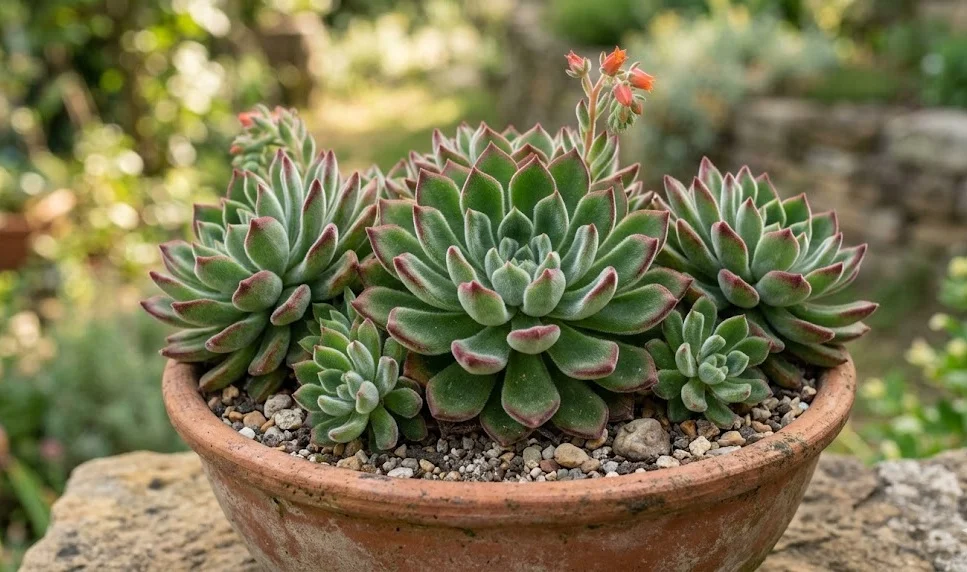

Caring for the plush plant requires a delicate balance of attention and patience to maintain its unique velvet-like appearance. You should prioritize creating an environment that mimics its natural rocky habitat to ensure the plant thrives throughout the year. The soft hairs covering the leaves are not just for show; they serve as a protective layer against harsh environmental factors. If you observe the plant closely, you will see how it responds to changes in its surroundings with remarkable resilience.
Providing the right substrate is the first step in establishing a healthy life for this succulent variety. You need a soil mix that allows for rapid drainage so that the roots never sit in stagnant water for extended periods. A combination of coarse sand, perlite, and standard potting soil usually provides the airy structure necessary for root respiration. When you touch the soil, it should feel gritty and loose rather than dense or sticky like garden clay.
Temperature management is equally vital when you are aiming for professional-level results in your indoor or outdoor garden. This plant generally prefers a warm atmosphere during its active growing phase in the spring and summer months. You must protect it from sudden drafts or extreme temperature fluctuations that can occur near air conditioners or heating vents. By maintaining a stable climate, you prevent the physiological stress that often leads to leaf drop or stunted growth.
Air circulation is an often overlooked aspect of care that significantly impacts the health of the plush foliage. You should place your plant in a spot where air moves freely but without being subjected to harsh, drying winds. Good ventilation helps to prevent the buildup of moisture between the tightly packed leaves, which is a common cause of rot. If you notice the air in your room feels stagnant, consider using a small fan to keep the environment fresh.
Establishing a routine for seasonal changes
As the seasons transition, you must be prepared to adjust your care routine to match the plant’s metabolic needs. During the peak of summer, the plant may require more frequent checks to ensure it is not becoming dehydrated under the intense sun. You will notice that the colors of the leaves often intensify when the plant is exposed to the bright light of the warmer months. By paying attention to these visual cues, you can stay ahead of the plant’s requirements.
More articles on this topic
In contrast, the winter months represent a period of rest where the biological processes of the succulent slow down significantly. You should reduce your intervention during this time to avoid disrupting the natural dormancy cycle that is essential for its longevity. The plant will not need as much resources because it is not actively producing new growth or flowers. Your role during this phase is simply to provide a stable and cool environment that allows for recovery.
Spring is the time when you will see the most exciting changes as the plant begins to wake up from its slumber. You can start to increase your care efforts gradually as the days get longer and the temperature begins to rise. This is the perfect window to assess the overall health of the specimen and decide if any major changes are needed. New growth usually appears at the center of the rosette, signaling that the plant is ready for a new season.
Autumn serves as a preparation period where you help the plant transition from high activity back to a state of rest. You should begin to taper off your activities and ensure the plant is physically strong enough to handle the upcoming cooler weather. Inspect the leaves for any debris or dust that might have collected during the summer to ensure the surface can still breathe. Taking these small steps in the fall ensures that your succulent enters the winter in the best possible condition.
Managing the aesthetic appeal of the foliage
The velvet texture of the leaves is the most striking feature of this plant, and keeping it clean is a primary task for any enthusiast. You should never use water to clean the leaves, as trapped moisture among the hairs can cause unsightly spotting or fungal growth. Instead, use a soft, dry brush to gently whisk away any dust or soil particles that may have settled on the surface. This careful approach preserves the integrity of the trichomes that give the plant its characteristic plush look.
More articles on this topic
Handling the plant should be done with extreme care to avoid damaging the delicate leaf surfaces. You will find that the leaves are somewhat brittle and can snap off if the plant is moved too roughly or bumped. Whenever you need to relocate the pot, try to grip the container itself rather than touching the foliage directly. Minimizing physical contact helps maintain the pristine, untouched appearance of the succulent rosettes.
If you notice that some of the lower leaves are beginning to shrivel or turn brown, do not be immediately alarmed. This is often a natural part of the plant’s growth process as it redirects energy to the newer leaves at the top. You can gently remove these dead leaves once they are completely dry to keep the base of the plant tidy. Removing this old material also reduces the hiding spots for potential pests that thrive in decaying organic matter.
Maintaining the shape of the plant involves ensuring that it receives even exposure to the elements from all sides. You should rotate the pot slightly every week so that all the leaves have a chance to benefit from the available resources. This practice prevents the stem from leaning toward a single direction and helps the plant maintain a symmetrical form. A well-balanced plant is not only more beautiful but also structurally more stable as it grows taller.
The importance of container selection
Choosing the right pot is a foundational decision that will influence the success of your gardening efforts for years. You should look for containers that feature large drainage holes at the bottom to facilitate the quick exit of excess water. Terracotta or unglazed ceramic pots are excellent choices because they are porous and allow the soil to dry out more evenly. The material of the pot acts as a secondary regulator of moisture, which is highly beneficial for succulent health.
The size of the container should be proportionate to the root system of the plant to avoid the common mistake of over-potting. You want a pot that is only slightly larger than the root ball, as too much empty soil can hold onto moisture for too long. When the roots have just enough space to expand, the plant feels secure and is more likely to produce healthy growth. If you see roots starting to emerge from the drainage holes, it is a clear sign that a slightly larger pot is needed.
Stability is another factor to consider, especially as the plush plant grows and becomes top-heavy over time. You should choose a container with a wide base that won’t easily tip over if the plant develops a long, woody stem. Adding a layer of heavy gravel at the bottom of the pot can also help lower the center of gravity. A stable plant is less likely to suffer accidental damage from falling or being knocked over by pets.
When you are preparing the pot, ensure that it is completely clean and free of any residues from previous inhabitants. You should wash the container with mild soap and water, then allow it to dry completely before adding new soil. This prevents the transfer of soil-borne diseases or pests that might be lingering from other plants. Starting with a sterile environment gives your plush plant the best possible foundation for a long life.
Monitoring growth and development
As your plant matures, you will notice that it undergoes several physical transformations that are quite fascinating to observe. The stem may become thicker and more woody as it supports the weight of the expanding leaf rosettes. You should monitor this development to ensure that the plant remains healthy and does not show signs of weakness. If the growth seems excessively slow, it might be an indication that the plant needs a slight adjustment in its care routine.
Flowering is a special event that usually occurs when the plant is happy and has reached a certain level of maturity. You will see long stalks emerging from the center of the rosettes, bearing small, bell-shaped flowers that are often brightly colored. While the flowers are beautiful, they do require a significant amount of energy from the plant to produce. You can enjoy the bloom and then carefully remove the flower stalk once the petals have faded to help the plant conserve strength.
The color of the leaves can act as a barometer for the overall health and stress levels of the succulent. You will see that the edges of the leaves might turn a deep reddish-gray when the plant is exposed to more intense conditions. This coloration is a natural defense mechanism and is often sought after for its aesthetic value in gardening circles. However, if the color becomes dull or pale, it may be time to reassess the resources available to the plant.
Regularly checking the underside of the leaves and the joints of the stem is a good habit for any dedicated gardener. You should look for any unusual spots, bumps, or discolorations that could indicate the beginning of a problem. Catching issues early makes them much easier to manage and ensures the plant doesn’t suffer long-term damage. Your consistent observation is the most powerful tool you have in maintaining a thriving succulent collection.
Advanced techniques for plant vitality
If you want to take your care to the next level, you can experiment with more specific environmental controls. You might consider using a hygrometer to monitor the humidity levels in the immediate vicinity of your plant collection. Keeping the air relatively dry is beneficial for these desert-dwelling species as it prevents many common fungal issues. By fine-tuning the atmosphere, you create a specialized microclimate where the plant can truly excel.
Some enthusiasts choose to use top dressings like small pebbles or decorative glass to enhance the look of the pot. You should select materials that are non-reactive and do not trap too much moisture against the base of the plant. A top dressing not only looks professional but also helps to keep the leaves off the damp soil during watering. It provides a clean, finished appearance that elevates the overall presentation of your gardening project.
Understanding the chemical composition of your tap water can also make a difference in long-term plant health. You should be aware that high levels of minerals or chlorine in the water can sometimes lead to salt buildup in the soil. If you notice a white crust forming on the soil surface, it might be a sign to switch to filtered or rainwater. Using higher quality water reduces the stress on the root system and promotes a cleaner look for the pot.
Creating a community of similar plants can also have benefits for the individual specimens in your care. You can group succulents with similar needs together to make your maintenance tasks more efficient and organized. This grouping also creates a more humid environment if needed, or simply makes it easier to manage light exposure for the whole set. A well-organized collection is a testament to your dedication and skill as a professional gardener.
Long term vision for succulent gardening
Maintaining a plush plant is a journey that can span many years if you provide the right conditions from the start. You will find that as the years pass, the plant develops a unique character and history that reflects your care. Each leaf and stem tells a story of the seasons it has survived and the growth it has achieved. Embracing this long-term perspective helps you stay patient during the slower periods of the plant’s life.
As the plant ages, you may find that it needs more significant structural support or even a complete rejuvenation. You should not be afraid to make bold decisions if the plant starts to look tired or overgrown. Strategic interventions can breathe new life into an old specimen and allow it to continue thriving for another decade. Your expertise will grow along with the plant, making you more confident in your gardening abilities.
Sharing your knowledge and perhaps even small offsets of your plant with others is a rewarding part of the hobby. You can help fellow enthusiasts understand the nuances of this specific variety and how to avoid common pitfalls. Building a network of plant lovers allows for the exchange of ideas and techniques that benefit everyone involved. The community aspect of gardening adds a layer of social fulfillment to the technical challenges of plant care.
Ultimately, the goal of caring for this succulent is to create a living piece of art that brings beauty to your space. You should take pride in the vibrant colors and soft textures that you have nurtured through your diligent efforts. A healthy, well-maintained plant is a reflection of your commitment to excellence and your passion for the natural world. Enjoy the process as much as the result, and your garden will always be a source of joy.