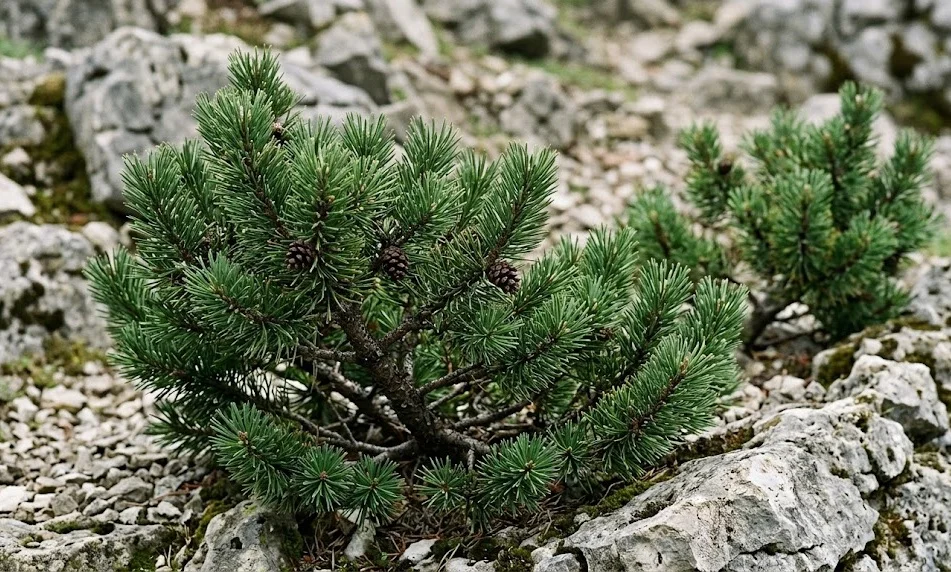

Preparing your dwarf mountain pine for the challenges of winter is a vital part of its annual care routine. While these plants are naturally adapted to cold mountain environments, the conditions in a home garden can sometimes be more stressful than their native habitats. You must take proactive steps to protect the foliage and roots from the drying effects of wind and the physical weight of heavy snow. A well-prepared pine will emerge from the winter dormancy vibrant and ready for a new season of growth.
The primary threat during winter is not necessarily the cold temperature itself, but rather desiccation or “winter burn.” This occurs when the frozen ground prevents the roots from taking up water to replace the moisture lost through the needles. You should focus your efforts on ensuring the plant is well-hydrated and protected from the harshest environmental elements. A thoughtful overwintering strategy is the key to maintaining that deep green color year-round.
For those growing dwarf mountain pines in containers, winter care requires even more attention to detail. Potted roots are much more exposed to temperature fluctuations than those planted in the ground. You must find ways to insulate the containers or move them to a more sheltered location to prevent the root ball from freezing solid and thawing repeatedly. This article will provide you with a professional guide to keeping your pine safe during the coldest months.
By following these expert tips, you can minimize the risk of winter damage and ensure your pine stays healthy. We will discuss everything from structural protection to the importance of late-season hydration. Whether you live in a region with mild winters or one with extreme conditions, these principles will help you safeguard your evergreen investment. Let’s explore the best practices for successful overwintering.
Understanding winter hardiness and risks
Dwarf mountain pines are generally rated for very cold climates, often surviving temperatures well below freezing without issue. Their compact, mounded shape is a natural adaptation that helps them trap heat and resist the wind. However, “hardiness” is not just about the lowest temperature a plant can survive; it also involves how the plant handles rapid changes in weather. A sudden warm spell in late winter can be just as damaging as a deep freeze if it causes the plant to wake up too early.
More articles on this topic
The most common form of winter damage is browning of the needles on the side of the plant facing the prevailing winds. This “windburn” happens when the cold, dry air pulls moisture out of the needles faster than the plant can replenish it. You should observe the wind patterns in your garden to identify which plants are most at risk. Providing a physical barrier can make a significant difference in how well the foliage survives the season.
Snow can be both a blessing and a burden for a dwarf mountain pine. A light layer of snow acts as a wonderful natural insulator, protecting the plant from extreme temperature swings and drying winds. However, heavy, wet snow can weigh down the branches and cause them to splay outward or even break. You should be prepared to gently manage snow accumulation to prevent structural damage to the plant’s attractive form.
Ice storms are perhaps the most dangerous winter event for any evergreen, including the dwarf mountain pine. The weight of clear ice is much greater than that of snow and can cause severe branch breakage. You should never try to knock ice off the branches, as the frozen wood is very brittle and will likely snap. Instead, allow the ice to melt naturally and assess any damage once the weather warms up.
Physical protection and windbreaks
If your dwarf mountain pine is in a particularly exposed location, you might consider building a temporary windbreak for the winter months. You can use stakes and burlap to create a screen that deflects the harshest winds without completely trapping the plant. It is important to leave the top open to allow for light and air circulation, as you don’t want to create a greenhouse effect. This simple structure can prevent the majority of needle browning in windy regions.
More articles on this topic
Mulching is another essential physical protection measure that you should refresh every autumn. A two- to three-inch layer of organic mulch around the base of the plant provides excellent insulation for the root system. It helps keep the soil temperature more stable and prevents the ground from freezing as deeply. This can provide the roots with a few extra weeks of activity during the early winter and late spring thaws.
For very young or newly planted pines, a bit of extra structural support can be beneficial. You can loosely wrap the plant with garden twine to keep the branches from being pulled apart by the weight of the snow. Be careful not to tie it too tightly, as you don’t want to restrict airflow or damage the bark. This technique is especially useful for cultivars that have a naturally more open or upright growth habit.
Avoid using plastic covers directly on the foliage, as this can trap moisture and heat, leading to fungal problems or sunscald. Burlap or specialized frost blankets are much better choices because they are breathable. If you do use a cover, make sure it is anchored securely so it doesn’t flap in the wind and rub against the needles. Proper physical protection is about finding a balance between shielding the plant and allowing it to breathe.
Wintering in containers
Dwarf mountain pines in pots face unique challenges because their roots lack the massive insulation provided by the earth. You should move your containers to a more sheltered spot, such as against a north-facing wall or into an unheated garage or shed. If the pots must stay outside, you can group them together to share warmth and wrap the containers in insulating materials. Bubble wrap, burlap, or even old blankets can be used to protect the root zone from extreme cold.
One of the biggest risks for potted pines is the “freeze-thaw” cycle that can occur in late winter. When the sun warms the pot during the day and it freezes again at night, it can cause the roots to heave and the container to crack. You should try to keep the pots in a shaded area during the winter to minimize this solar heating. Consistent cold is often safer for the plant than wildly fluctuating temperatures.
Watering is still necessary for potted pines during the winter, though at a much-reduced frequency. You should check the soil on a day when the temperature is above freezing and the soil is not rock-solid. If it feels dry, give it a light watering to ensure the roots don’t dehydrate completely. Never water when the ground is frozen, as the water will just sit on top and create an ice layer that can damage the trunk.
Choosing the right container material is also a professional consideration for successful overwintering. Terracotta and some thin plastics are prone to cracking when the wet soil inside them expands as it freezes. Using weather-resistant materials like thick resin, treated wood, or specialized frost-proof ceramics is a much better investment. A high-quality pot combined with proper insulation will give your container-grown pine the best chance of survival.
Spring transition and recovery
As the days begin to lengthen and the temperatures rise, your dwarf mountain pine will slowly emerge from its winter dormancy. This is a delicate time, as late spring frosts can still damage the tender new growth that begins to appear. You should wait until the danger of hard freezes has passed before you remove any protective windbreaks or burlap wraps. Gradually reintroducing the plant to the elements is safer than a sudden exposure.
Once the ground has thawed completely, you should perform a thorough inspection of the plant. Look for any branches that have been broken by snow or ice and prune them back to healthy wood. If you notice any brown needles, don’t panic immediately; some interior needle drop is normal in the spring. If the browning is on the tips of the outer branches, it is likely winter burn, and the plant will eventually grow past it.
Start your spring watering routine as soon as the soil is workable, especially if the winter was dry. Providing consistent moisture now will help the plant recover from any winter stress and support the development of the new “candles.” This is also the time to apply a light dose of balanced fertilizer to give the plant a boost for the upcoming growing season. A proactive spring start helps the pine quickly regain its vigor.
Finally, check the mulch layer and refresh it if it has thinned out over the winter. This will help keep the roots cool and moist as the sun becomes more intense in the coming months. If you used twine to support the branches, remove it now to allow the plant to settle back into its natural shape. Successful overwintering is a cycle that ends with a healthy, vibrant plant ready to grace your garden for another year.