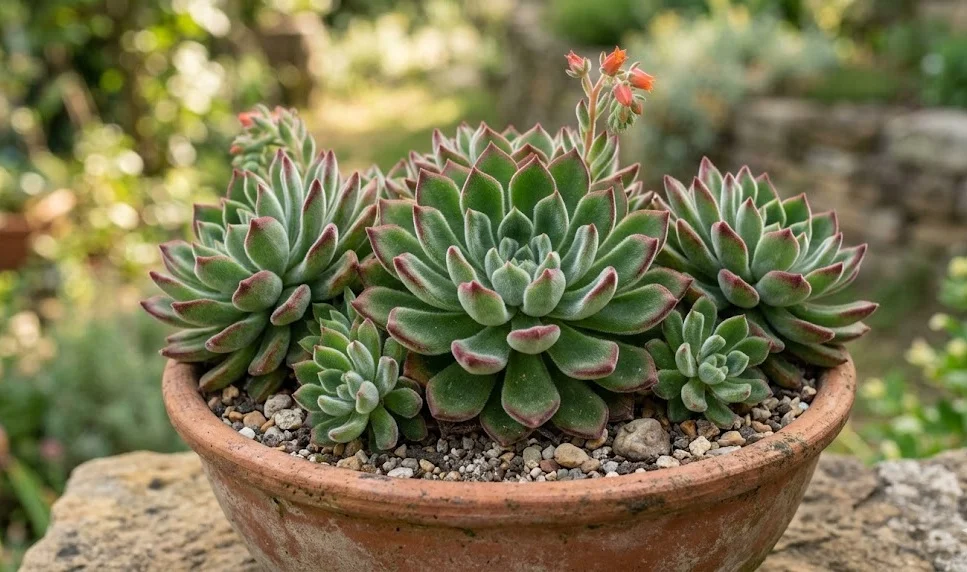

Overwintering the plush succulent is a process of preparation and adjustment that ensures the plant survives the coldest months of the year without damage. You must understand that this species is not frost-hardy and will suffer severe tissue damage if exposed to temperatures below freezing. As the days begin to shorten and the air turns crisp, you should start thinking about where your plant will spend the winter. A proactive approach is always better than reacting to a sudden, unexpected frost that could kill your plant overnight.
If you have been keeping your succulent outdoors during the summer, the transition back inside should be done gradually to avoid shocking the plant. You should start by bringing it in during the cool nights and putting it back out during the day for a week or two. This allows the plant to slowly acclimate to the lower light levels and different humidity of your indoor living space. Sudden changes in environment can lead to leaf drop or other signs of stress that weaken the plant before winter even begins.
The ideal indoor spot for the winter is a bright windowsill that receives several hours of indirect sunlight each day. You should avoid placing the plant too close to a cold windowpane, as the temperature right next to the glass can be significantly lower than the rest of the room. At the same time, keep the pot away from active heat sources like radiators or forced-air vents that can dry out the plant too quickly. Finding a stable, cool, and bright location is the key to a successful overwintering strategy.
You should also take the opportunity to give the plant a final check for any pests before bringing it into the house where it could infect other indoor specimens. You can gently wash the pot and wipe down the base to ensure no hitchhikers are coming along for the winter. This clean start helps prevent the buildup of problems in the stagnant air of a heated home. Once the plant is settled in its winter home, your main task is to monitor its condition and wait for the return of spring.
Adjusting light and moisture indoors
Indoor light levels are naturally much lower during the winter, which can cause succulents to stretch and lose their compact, beautiful shape. You should place your plush plant in the brightest spot available, typically a south-facing window if you are in the northern hemisphere. If your home does not have enough natural light, you might consider using a specialized LED grow light to supplement the plant’s needs. Providing enough light during the winter prevents the “leggy” appearance that many indoor succulents develop over time.
More articles on this topic
Watering requirements change dramatically during the winter because the plant is not actively growing and the air is often cooler. You should reduce your watering frequency significantly, often only giving the plant a small amount once every few weeks. Always check the soil deep down to make sure it is bone-dry before you add even a drop of water. Over-watering in the winter is the fastest way to cause root rot, as the plant cannot process the excess moisture quickly enough.
Humidity can also be a challenge in a heated home where the air tends to be very dry, which can affect the velvet leaves. You will find that the plant is generally quite resilient to low humidity, but you should still avoid placing it directly in the path of hot, drying air. If the leaves start to look exceptionally wrinkled, it might be a sign that the environment is too dry, and a very light misting of the surrounding air could help. However, never mist the leaves themselves, as this can still lead to fungal issues even in the winter.
You should also stop all fertilization during the winter months to allow the plant to rest as it would in its natural habitat. Forcing growth with nutrients when the light is low will only result in weak, pale stems that are unattractive and structurally unsound. Let the plant follow its natural biological clock and save the feeding for the burst of growth that comes with the spring sun. This period of rest is essential for the long-term health and vitality of the plush succulent.
Managing dormancy and metabolism
Dormancy is a natural state for many succulents where they slow down their biological processes to survive harsh conditions like cold or drought. You should treat your plant with respect during this phase and avoid any major interventions like repotting or heavy pruning. The plant’s metabolism is at a minimum, meaning it has very little energy to heal from wounds or establish new roots. Think of winter as a time for the plant to consolidate its resources and prepare for the upcoming year.
More articles on this topic
You will notice that the growth of new leaves completely stops or becomes very slow during this period, which is perfectly normal. The colors of the foliage may also change slightly, sometimes becoming a bit more muted or deep depending on the temperature and light. These subtle shifts are signs that the plant is successfully adapting to the seasonal changes around it. Your goal is simply to maintain the status quo and keep the plant in a stable environment until the days begin to lengthen.
If you see a few lower leaves shriveling up and falling off during the winter, do not be too concerned as this is often a natural way for the plant to conserve water. You can gently remove these dead leaves once they are completely dry to keep the pot tidy and prevent any potential mold issues. However, if you see many leaves falling off at once while still green or yellow, you should re-evaluate your watering or light situation. A healthy dormant plant should still look firm and structurally sound throughout the winter.
Maintaining a cool but not freezing temperature is actually beneficial for succulents during their winter rest. Many species, including the plush plant, prefer temperatures between 10 and 15 degrees Celsius during the night in the winter. This cooling period can actually help trigger the flowering process when the plant wakes up in the spring. If your home is very warm, the plant may not go into a deep dormancy, which is fine, but it will require slightly more attention to light and moisture.
Transitioning back to the spring season
As the days start to get longer and the sun feels warmer, you will see the first signs that your plant is waking up from its winter slumber. You should look for fresh, green growth appearing at the center of the rosettes, which is your signal to begin increasing your care routine. You can gradually increase the frequency of your watering as the plant’s metabolism starts to speed up again. This transition should be done slowly over several weeks to avoid shocking the root system.
Spring is the best time to move the plant back to its outdoor location if you have a garden or balcony that gets good sun. You should wait until all danger of frost has passed and the nighttime temperatures are consistently above 10 degrees Celsius. Just like when you brought it in, the move outside should be gradual to prevent the leaves from being scorched by the sudden intensity of direct sunlight. Start by placing the plant in a shaded outdoor spot for a few hours a day and slowly increase the exposure.
Once the plant is actively growing again, you can resume your regular fertilization schedule to provide the nutrients needed for the new season. This is also the ideal time to consider repotting if the plant has outgrown its container or if the soil has become compacted over the winter. Fresh soil and a bit of extra space can give the plant a huge boost and lead to a very productive growing season. Your careful overwintering has paid off, and now you can enjoy the results of your patience.
Finally, take a moment to assess how the plant handled the winter and if there are any lessons to be learned for the next year. Perhaps the light was a bit too low, or the room was a bit too warm, and you can make small adjustments to your strategy. Each winter is a learning experience that makes you a more skilled and intuitive gardener. With your help, the plush succulent will continue to grow and thrive for many years to come.