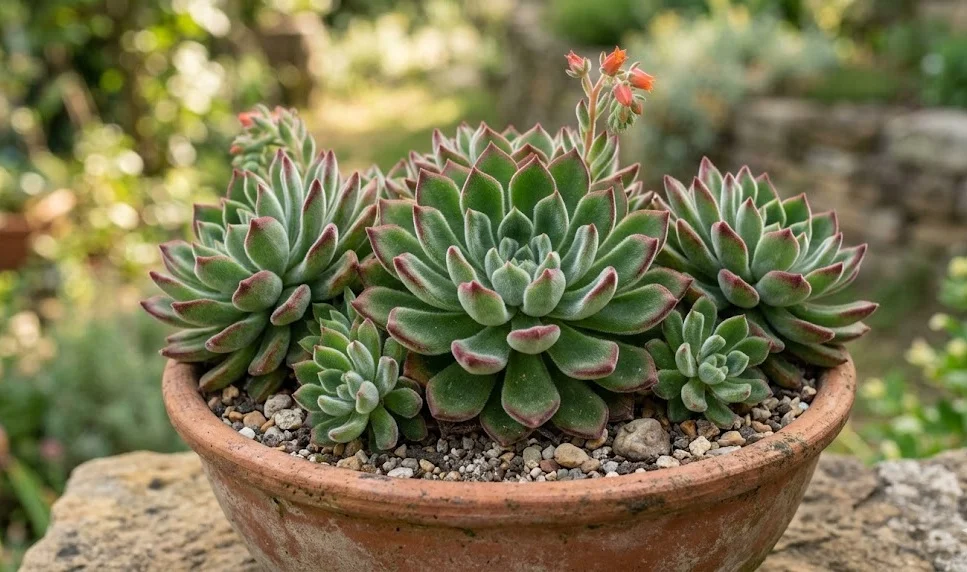

The plush plant, with its soft and fuzzy leaves, can unfortunately become a target for several common garden pests if conditions are not ideal. You must regularly inspect the nooks and crannies of the leaf rosettes where insects love to hide and multiply away from plain sight. Early detection is your most effective weapon in preventing a small infestation from turning into a full-blown disaster that threatens your entire collection. If you notice any unusual sticky residue or white cotton-like spots, you should take action immediately.
Mealybugs are perhaps the most frequent unwanted visitors you will encounter when growing this type of velvet-textured succulent. You will often find these tiny, white, sap-sucking insects clustered at the base of the leaves or hidden deep within the center of the plant. They weaken the specimen by draining its life force, leading to distorted growth and eventually leaf drop if left untreated. To deal with them, you can use a cotton swab dipped in rubbing alcohol to dab the insects directly and dissolve their protective waxy coating.
Aphids can also occasionally attack the tender new growth or the succulent flower stalks during the spring and summer months. You should look for small, green or black insects that tend to congregate in large numbers on the softest parts of the plant. These pests can reproduce incredibly quickly, so a fast response is necessary to keep their population under control. A gentle spray of water can sometimes dislodge them, but you must be careful not to leave the plant too wet afterward.
Scale insects are another potential threat that appears as small, brown, or tan bumps on the stems and leaves of the plant. You might mistake them for part of the plant itself, but they are actually armored pests that latch onto the surface to feed on the sap. Because of their hard shells, they can be more difficult to remove than softer insects like mealybugs or aphids. You can gently scrape them off with a fingernail or use a specialized horticultural oil to suffocate them without harming the plant.
Fungal issues and humidity management
Fungal diseases are often the result of an environment that is too humid or soil that remains damp for far too long. You should be aware that the velvet hairs on the plush plant are particularly good at trapping moisture, which can provide a perfect breeding ground for spores. Powdery mildew can appear as a white, flour-like dusting on the surface of the leaves, interfering with the plant’s ability to photosynthesize. If you see this, you must improve the air circulation immediately and perhaps use a mild fungicide designed for delicate plants.
More articles on this topic
Root rot is a devastating fungal condition that usually starts underground and is often caused by over-watering or poor drainage. You will notice the base of the stem becoming soft, dark, and mushy, which is a sign that the internal tissues are breaking down. By the time you see the symptoms above the soil line, it is often too late to save the original root system of the plant. In these cases, the best professional advice is to take healthy cuttings from the top of the plant to start over.
Botrytis, also known as gray mold, can sometimes affect succulents that are kept in cool, damp conditions with poor air movement. You might see gray, fuzzy patches appearing on dying leaves or flowers, which can quickly spread to healthy parts of the plant. You should always remove dead or decaying organic matter from the pot to eliminate the source of the fungus. Keeping your growing area clean and dry is the most effective way to prevent these types of fungal outbreaks from occurring.
To manage these risks, you should consider using a small hygrometer to keep track of the humidity levels in your indoor garden. You should aim for a relatively dry atmosphere, especially during the winter months when the air tends to be more stagnant. If the humidity is consistently high, you can use a dehumidifier or simply open a window for a few hours each day to refresh the air. Taking control of the environment is a proactive step that minimizes the need for chemical interventions later on.
Natural pest control methods
If you prefer to avoid harsh chemicals in your home, there are several natural ways to manage pest populations effectively. You can create a simple insecticidal soap by mixing a small amount of mild, biodegradable dish soap with water in a spray bottle. This solution can be sprayed onto the pests to disrupt their cell membranes and cause them to dehydrate and die. Always test a small area of a single leaf first to ensure the plant doesn’t have an adverse reaction to the soap mixture.
More articles on this topic
Neem oil is a popular organic choice that acts as both a pesticide and a fungicide, providing a broad range of protection for your plants. You should apply it in the evening or when the plant is not in direct sunlight to avoid burning the foliage. Neem oil works by interfering with the hormonal systems of insects, preventing them from feeding and reproducing on your succulents. It is a long-term solution that requires regular applications but is very safe for humans and pets when used correctly.
Introducing beneficial insects, such as ladybugs or lacewings, can be a great way to manage pests in an outdoor or greenhouse setting. You will find that these natural predators are incredibly efficient at hunting down and eating aphids and mealybugs. This biological control method mimics the natural balance of the ecosystem and reduces the need for any human intervention. If you have a large collection, building a habitat that attracts these “good bugs” can provide permanent protection for your plants.
Diatomaceous earth is a natural powder made from the fossilized remains of tiny aquatic organisms that can be sprinkled on the soil. You should use food-grade diatomaceous earth, which is harmless to humans but lethal to crawling insects like ants or beetles. The sharp edges of the microscopic particles cut through the exoskeletons of the pests, causing them to dry out and die. It is a mechanical form of pest control that does not rely on chemicals and remains effective as long as it stays dry.
Identifying signs of distress and damage
Learning to read the visual signals your plant is sending is an essential skill for any serious gardener or succulent enthusiast. You should pay close attention to any changes in leaf color, as yellowing can indicate anything from nutrient deficiency to the early stages of rot. If the leaves appear wrinkled or shriveled even after watering, the root system might be damaged and unable to absorb moisture. This “thirst” is often a secondary symptom of a primary pest or disease issue that needs your attention.
Sticky residue on the leaves, known as honeydew, is a classic sign that sap-sucking insects like aphids or scale are present. You might also notice black sooty mold growing on this sticky substance, which further hides the pests and damages the plant’s appearance. If you see ants crawling around your succulents, they might be “farming” the aphids for their honeydew and protecting them from predators. In this case, you must deal with both the ants and the pests they are protecting to solve the problem.
Distorted or stunted new growth is often a sign that insects are feeding on the most tender parts of the plant as they emerge. You might see the leaves coming out twisted, scarred, or smaller than they should be, which ruins the symmetry of the rosette. This damage is permanent for those specific leaves, so your goal is to stop the pests before they can affect the next cycle of growth. A healthy plant should always produce clean, even leaves from the center of the rosette.
If you notice brown, crispy spots on the leaves, it could be a sign of sunburn, but it could also indicate a chemical burn from an improperly applied treatment. You should always follow the instructions on any pest control product to the letter to avoid causing more harm than good. If you are unsure what is causing a particular type of damage, take a clear photo and consult with a local nursery or an online gardening community. Getting a second opinion can help you identify the problem accurately and choose the right course of action.
Quarantine and recovery protocols
When you bring a new plant into your home, you should always keep it isolated from your existing collection for at least two to three weeks. You can use this time to observe the newcomer for any signs of hidden pests or diseases that might have come from the nursery. Many common succulent pests can hide in the soil or in tiny crevices and only become visible after a few days. Quarantining new additions is a professional practice that protects your long-term investments from accidental contamination.
If you do find a pest on one of your plants, you should immediately move it away from the rest of your collection to prevent the insects from spreading. You can set up a “sick bay” in a separate room or a different part of the garden where the infected plant can be treated and monitored. Check all the neighboring plants very carefully, as many pests are surprisingly mobile and can crawl from one pot to another. Swift action during the early stages of an outbreak can save you a significant amount of work and frustration.
During the recovery phase, you should provide the treated plant with the best possible care to help it regain its strength and vitality. You might need to adjust the light or watering to compensate for the stress of the pest infestation and the subsequent treatment. Avoid fertilizing a sick or recovering plant, as this can force growth when the plant needs to focus its energy on healing. Once you have seen several weeks of clean, healthy new growth, you can safely return the plant to its original place.
Cleaning your tools and the area around the infected plant is the final step in a professional recovery protocol. You should wipe down your shears, tweezers, and even the surface of the table with a disinfectant to kill any remaining spores or eggs. If a plant has died from a disease, it is best to discard the soil and thoroughly scrub the pot before using it again. Maintaining a high level of hygiene in your garden prevents the recurrence of problems and ensures a healthy environment for all your plants.