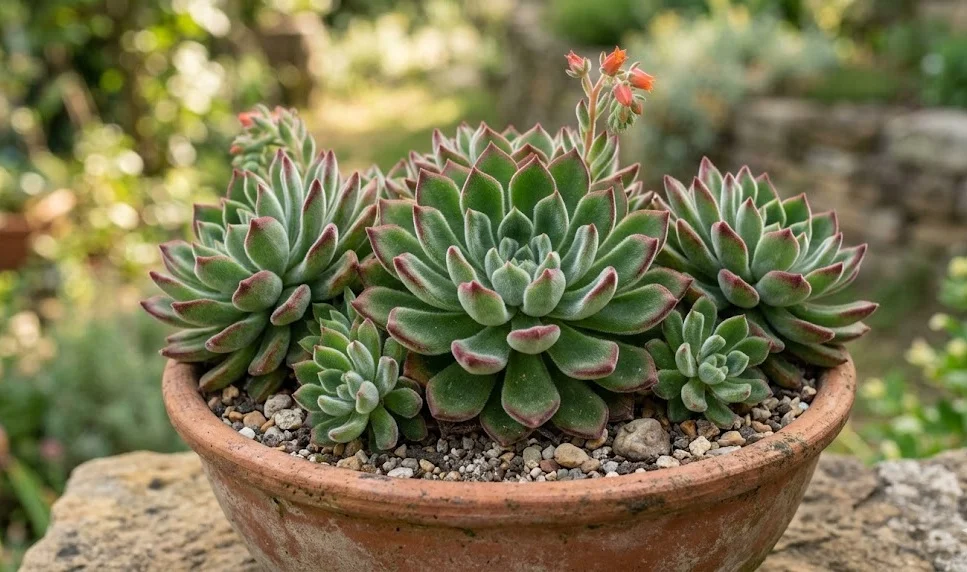

Pruning is an essential maintenance task that helps keep your plush succulent healthy and visually appealing as it matures over the years. You should not be afraid to use your shears, as these plants are remarkably resilient and often respond to cutting with a burst of fresh growth. The primary goal of pruning is to remove any dead or diseased material and to maintain the compact, rosette-like shape that makes the plant so attractive. Regular intervention prevents the specimen from becoming a tangled, messy heap of stems and leaves.
Before you start any cutting, you must ensure that your tools are sharp and thoroughly sterilized to prevent the spread of pathogens. You can use a simple solution of rubbing alcohol to wipe down your blades before and after each use on a different plant. A clean, sharp cut heals much faster than a ragged tear, reducing the risk of rot or infection entering the open wound. Taking a few seconds to prepare your equipment is a mark of professional care that pays off in the long-term health of your garden.
The best time to perform significant pruning is in the early spring, just as the plant is entering its most active phase of development. You will find that the wounds callus over quickly and new buds emerge from the stem within just a few weeks of the intervention. Avoid heavy pruning in the late autumn or winter when the plant’s metabolism is slow and its healing powers are at their lowest. By working with the natural cycle of the plant, you ensure a quick recovery and robust new growth.
You should always have a clear plan in mind before you make the first cut, as it is impossible to undo a mistake once the stem is severed. Take a few minutes to look at the plant from all angles and decide which parts are truly necessary for its future structure. Removing the oldest, lowest leaves is often a good place to start, as this cleans up the base and improves air circulation. Your intuition as a gardener will grow with each pruning session, making the process easier and more rewarding over time.
Managing leggy growth and resetting the plant
Etiolation, or the stretching of the stem due to low light, is a common problem that can only be corrected through strategic pruning. You should identify the point where the growth is still compact and healthy and prepare to make a bold cut just below that area. This “beheading” technique might feel drastic, but it is the most effective way to save a plant that has lost its aesthetic value. You are essentially creating a new, shorter plant from the healthy top portion of the old specimen.
More articles on this topic
Once you have cut off the top rosette, you must allow the cut end to dry and form a thick callus for several days before placing it on soil. You should keep this “head” in a shaded, well-ventilated spot to prevent any moisture from causing rot during the healing phase. In the meantime, do not discard the original rooted stem, as it will often produce several new, tiny rosettes from the dormant buds along its length. This process effectively turns one leggy plant into multiple healthy new ones.
The new plantlets that emerge from the old stem can be left to grow where they are or carefully removed once they are large enough to be independent. You should wait until they are at least an inch or two in diameter before you twist them off and treat them as new cuttings. This method allows you to rejuvenate an old, tired specimen while also expanding your collection at no extra cost. It is a win-win situation that demonstrates the incredible regenerative ability of the succulent world.
If you want to maintain a specific height for your plant, you can regularly pinch off the center of the growth tip to encourage branching. You will find that this technique leads to a bushier, more complex structure rather than a single tall stem. This is particularly useful if you are growing your plush plant in a small container or as part of a larger arrangement. Consistent, small interventions are often better than one large, stressful pruning session every few years.
Post-pruning recovery and long term care
After you have completed your pruning, you should place the plant in a bright but sheltered location to allow it to recover in peace. You should avoid direct, intense sunlight for a few days, as the freshly cut tissues are more sensitive to environmental stress. Do not water the plant immediately after pruning; wait at least three to five days for the wounds to fully seal. This dry period is the most critical part of the post-operative care for any succulent variety.
More articles on this topic
You should monitor the cut sites closely for any signs of unusual discoloration or softening, which could indicate the beginning of an infection. If the stem starts to turn black or feels mushy, you may need to cut a bit further down into healthy tissue to stop the rot from spreading. However, if you used sterile tools and allowed for proper callusing, the risk of these issues is remarkably low. A healthy callus should look dry, firm, and perhaps slightly woody or corky in texture.
Within a few weeks, you will see the first signs of success in the form of tiny green “nubs” appearing near the cut areas. You can slowly resume your normal watering and fertilization routine once you are sure the plant has fully recovered from the stress of pruning. These new shoots will grow quickly, and before you know it, the plant will look more vibrant and full than it did before. The reward for your bravery with the shears is a rejuvenated, beautiful plant that is ready for another season of growth.
Finally, remember that pruning is an ongoing part of the gardening journey and not a one-time event that you can forget about. You should keep an eye on your plants throughout the year and remove any damaged or unsightly leaves as soon as you notice them. This constant attention keeps the plants in peak condition and makes your major pruning sessions much more manageable. Your dedication to the small details of maintenance is what truly allows your succulent collection to shine in its full glory.