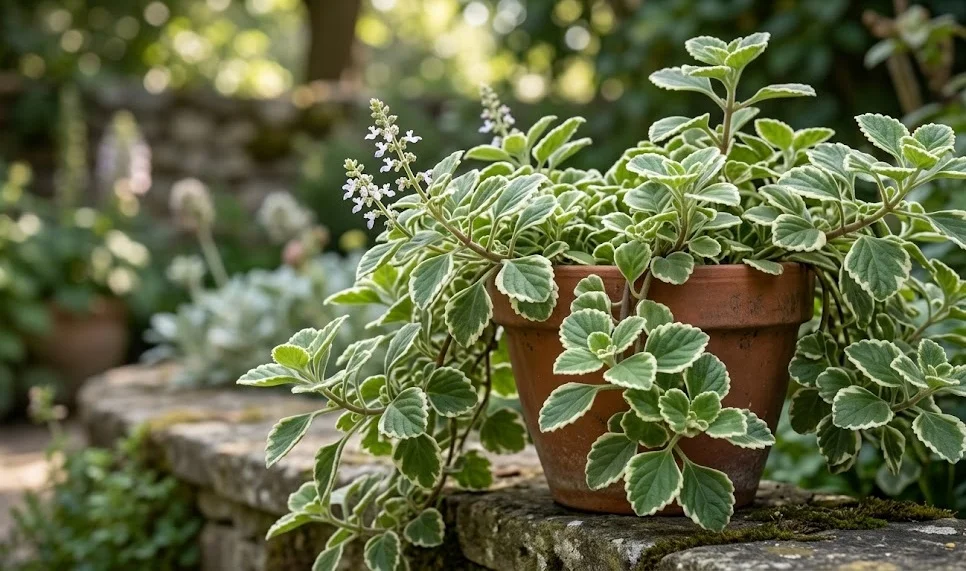

Growing a healthy ornamental plant requires a deep understanding of its natural habitat and biological needs. You should observe the foliage closely every week to identify any subtle changes in color or texture. The vibrant green leaves with white edges are the most striking feature of this particular species. Providing a stable environment will ensure that the plant remains a beautiful centerpiece in your garden or home.
Maintaining the right temperature is crucial for the steady development of the foliage throughout the year. These plants generally prefer a warm climate and do not tolerate sudden drops in temperature very well. You should aim to keep the surrounding air consistent to avoid causing stress to the delicate root system. Protecting the plant from cold drafts during the winter months is a fundamental part of expert care.
The soil composition plays a vital role in how well the plant can absorb essential nutrients and moisture. A well-draining potting mix is necessary to prevent water from stagnating around the roots for too long. You can mix peat moss with perlite to create an airy structure that supports healthy growth. Choosing the right container with drainage holes is just as important as the quality of the soil itself.
Regular monitoring for dust accumulation on the leaves helps the plant breathe and perform photosynthesis efficiently. You can gently wipe the leaves with a damp cloth or give the plant a light misting occasionally. This practice not only keeps the plant looking fresh but also helps in early pest detection. A clean plant is much more resilient against environmental stressors and potential infestations.
Establishing a proper routine
Consistency is the secret to a thriving garden, especially when dealing with fast-growing ornamental species. You should establish a weekly schedule for checking soil moisture and overall plant vigor. Small adjustments made regularly are much better than drastic changes made only when problems arise. Keeping a simple gardening log can help you track the progress of your plants over the seasons.
More articles on this topic
Air circulation is an often overlooked factor that significantly impacts the health of the leaves. You should ensure that there is enough space between your plants to allow air to move freely. Stagnant air can lead to humidity buildup, which often invites unwanted fungal issues or mold. Positioning your pots in a well-ventilated area will promote a much sturdier and more compact growth habit.
Choosing the right location within your home or garden requires careful consideration of the daily sun path. You should avoid placing the plant in areas where the heat can become trapped and excessive. A spot that receives gentle morning light but is protected from the harsh afternoon sun is ideal. This balance prevents the leaves from scorching while still providing enough energy for growth.
The size of the pot should be scaled according to the growth rate of the individual specimen. You should consider repotting every spring if you notice that the roots are starting to circle the bottom. A slightly larger container provides fresh space for the root system to expand and find new nutrients. Always use fresh potting soil during this process to give the plant a boost for the new season.
Seasonal care transitions
As the seasons change, you must adapt your maintenance techniques to meet the shifting environmental conditions. During the peak of summer, the plant will require more frequent attention due to the higher evaporation rates. You should pay close attention to the wilting of leaves as a primary indicator of heat stress. Providing extra shade during heatwaves can save the plant from significant damage or leaf loss.
More articles on this topic
In autumn, you should begin preparing the plant for the slower growth phase that occurs during winter. You should gradually reduce the frequency of your maintenance tasks as the days become shorter. This transition helps the plant enter a semi-dormant state where it conserves energy for the next spring. Moving outdoor pots to a more sheltered location is a wise move before the first frost hits.
Spring is the time for rejuvenation and starting new growth cycles with fresh energy. You should inspect the entire plant for any leggy stems that might have developed during the low-light winter months. Removing old or damaged foliage will encourage the plant to produce new, vibrant leaves quickly. This is also the perfect time to restart your regular feeding and watering schedules.
Understanding the local microclimate of your garden will help you make better decisions for your plants. You should observe how wind patterns and shadows change throughout the year in your specific area. Every garden has unique spots that might be warmer or more humid than the rest of the yard. Utilizing these microclimates allows you to place your Swedish ivy in the most favorable conditions possible.
Enhancing leaf coloration
The beauty of this plant lies in its variegated foliage, which requires specific conditions to remain bright. You should provide adequate filtered light to ensure the white margins of the leaves stay distinct. Insufficient light can cause the plant to lose its variegation and turn a solid, dull green. Balancing light exposure is the most effective way to maintain the aesthetic appeal of the foliage.
Nutrient availability also influences the intensity of the colors seen on the leaf surfaces. You should use a fertilizer that contains a balanced mix of micronutrients to support pigment production. Avoid over-feeding with high-nitrogen products, as this can sometimes lead to excessive greening at the expense of variegation. A steady supply of minerals will keep the plant looking healthy and visually striking.
The age of the leaves can affect how vibrant they appear compared to the rest of the plant. You should recognize that older leaves will naturally fade over time and eventually fall off the stem. This is a normal part of the plant’s life cycle and should not be a cause for alarm. Encouraging new growth through pruning ensures that there are always fresh, colorful leaves on display.
Environmental stress can temporarily dull the appearance of the foliage until the issue is resolved. You should look for signs of salt buildup in the soil, which can cause the leaf edges to brown. Flashing the soil with clean water can help remove these excess minerals and restore leaf health. Maintaining a clean root environment is directly reflected in the brilliance of the upper foliage.
Growth habits and support
This species is known for its trailing or creeping growth habit, which makes it perfect for hanging baskets. You should allow the stems to cascade naturally over the sides of the container for the best effect. If you prefer a bushier look, you can pinch back the growing tips to encourage lateral branching. This flexibility in growth style allows you to use the plant in various landscape designs.
The weight of the long trailing stems can sometimes put a strain on the main root ball. You should check the stability of the plant in its pot to ensure it does not become top-heavy. Using a sturdy hanging bracket or a heavy ceramic pot can prevent the plant from tipping over. Providing occasional support for the longest stems can also help maintain the overall structure.
Root health is the foundation of the vigorous top growth seen in healthy specimens. You should avoid compacting the soil when you are planting or moving the container. Aerating the surface of the soil with a small tool can help oxygen reach the root zone. A healthy root system will support a much larger volume of foliage and withstand environmental changes better.
Competition for space can occur if you plant multiple specimens in a single large container. You should provide enough room for each individual plant to expand without being crowded by its neighbors. Crowding often leads to a lack of light for the inner leaves and poor air circulation. Giving each plant its own space will result in a much more uniform and attractive appearance.
Practical tips for beginners
Starting with a healthy and well-established nursery plant is the best way to ensure success. You should look for specimens that have thick stems and no signs of pests on the undersides of leaves. Avoid plants that appear leggy or have significant yellowing on the lower portions of the stems. A strong start will make the ongoing care much easier and more rewarding for you.
Learning to read the signals of the plant is a skill that develops with time and observation. You should trust your intuition when the soil feels too dry or the leaves look slightly limp. Over time, you will recognize exactly what the plant needs just by glancing at its general posture. Practice and patience are the most important tools for any aspiring gardener or plant enthusiast.
Don’t be afraid to experiment with different locations to find the absolute best spot for growth. You should move the pot around your home or patio to see how the plant reacts to different light levels. Sometimes a move of just a few feet can make a massive difference in the growth rate. Observing these changes will teach you more about the plant than any gardening book could.
Sharing your experience with other gardeners can provide new insights into local growing conditions. You should join a gardening community or talk to neighbors who grow similar ornamental species. Local advice is often invaluable because it takes into account the specific climate of your region. Learning from others’ successes and mistakes will help you become a more confident and skilled caretaker.
Longevity and rejuvenation
With proper care, these plants can live for several years and provide beauty throughout every season. You should consider taking cuttings every few years to rejuvenate your collection with younger plants. Older specimens can eventually become woody and less attractive as they age over time. Renewing the plant through propagation ensures that you always have a vigorous specimen in your garden.
Rejuvenation pruning is a great way to bring a tired or overgrown plant back to life. You should not hesitate to cut back a large portion of the stems if the plant looks sparse. As long as the root system is healthy, the plant will quickly produce fresh new shoots. This process is best performed in the early spring when the natural growth energy is highest.
Refreshing the top layer of soil every year can provide a quick boost of nutrients for the plant. You should gently remove the top inch of old soil and replace it with high-quality compost. This simple task can significantly improve the vitality of the plant without the need for a full repotting. It also helps improve water penetration and keeps the surface from becoming too hard.
The ultimate goal of care is to create a sustainable environment where the plant can flourish naturally. You should aim for a balance between intervention and letting nature take its own course. A healthy plant is one that can withstand minor issues without requiring constant chemical treatments. Enjoying the process of care is just as important as the visual result of a beautiful plant.