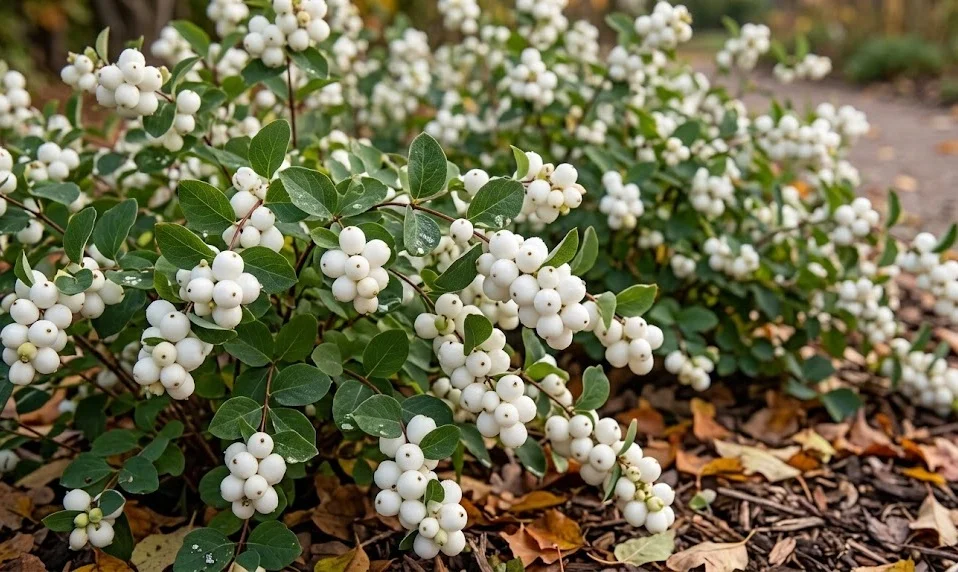

Identifying and managing the various health challenges that can affect a snowberry is a vital part of professional garden maintenance. You should start by recognizing that this shrub is generally very hardy and resistant to most major problems when grown in the right conditions. However, like any living thing, it can occasionally fall victim to specific pests or diseases that can mar its beauty or weaken its structure. Early detection and a thoughtful response are the keys to keeping your snowberry in top form throughout the year.
The most common issues you are likely to encounter include fungal infections that affect the appearance of the leaves and various insects that feed on the foliage. You will find that most of these problems are more of an aesthetic concern than a threat to the actual survival of the plant. However, if left unchecked, a severe infestation can reduce the number of berries or cause the plant to lose its leaves prematurely. A proactive approach to monitoring the health of your shrubs will help you catch these issues before they become widespread.
Managing pests and diseases involves a combination of cultural practices, natural controls, and, only as a last resort, targeted treatments. You should prioritize creating a healthy environment where the plant’s own natural defenses can function effectively. This includes providing the right amount of light, water, and space for air to circulate freely around the branches. A stressed plant is much more likely to attract trouble than one that is vigorous and well-cared for by an observant gardener.
As you become more familiar with your snowberry, you will start to recognize what a healthy plant looks like at different times of the year. You should take note of any unusual spots on the leaves, changes in growth patterns, or the presence of strange insects. This regular observation allows you to act quickly and use the most appropriate and gentle methods to restore the plant’s health. Knowledge and a steady hand are the best tools for any professional looking to protect their landscape investment.
Common fungal infections
Powdery mildew is one of the most frequent fungal issues you might see on the leaves of a snowberry during late summer. You should look for a white, flour-like coating that appears on the surface of the foliage, often when the weather is warm and humid. While it rarely kills the shrub, it can make the plant look unattractive and may cause some leaves to curl or drop early. Improving air circulation by thinning out some of the older stems is a very effective way to reduce the impact of this common fungus.
More articles on this topic
Anthracnose is another fungal disease that can cause spotting on the leaves and sometimes affects the developing berries. You should be aware of small, dark lesions that might spread and cause the foliage to wither or turn brown prematurely. This fungus often thrives in damp conditions, so avoiding overhead watering and keeping the area under the plant clean can help prevent its spread. Removing and properly disposing of infected leaves is a professional practice that stops the spores from overwintering and returning next year.
Root rot can occur if the snowberry is planted in soil that stays too wet for extended periods without proper drainage. You might notice the plant looking wilted even when the soil is damp, or the foliage may take on a sickly yellow or pale green color. If you suspect root rot, you should immediately investigate the drainage situation and consider moving the plant to a drier location. Prevention is the best cure for this serious issue, as damaged roots are very difficult to heal once they have begun to decay.
Leaf spot diseases caused by various fungi can also create small brown or black dots on the foliage during wet springs. You should monitor the new growth for these signs, especially if the weather remains cool and rainy for several weeks. Usually, the plant can outgrow these minor infections as the weather warms up and the leaves dry out more quickly. Keeping the plant well-fed and healthy allows it to produce plenty of new, clean foliage to replace any that has been damaged by spring fungi.
Identifying insect pests
Aphids are small, soft-bodied insects that can sometimes congregate on the tender new shoots of the snowberry in the spring. You should look for clusters of these pests, which can be green, black, or even pink, as they suck the sap from the young stems. While a few aphids won’t do much harm, a large population can cause the leaves to become distorted or covered in a sticky substance called honeydew. A strong blast of water from a garden hose is often enough to knock them off and keep their numbers under control.
More articles on this topic
Scale insects are another potential pest that can hide on the bark of the branches, looking like small bumps rather than moving bugs. You should inspect the stems of your snowberry if you notice a general decline in vigor or if parts of the plant start to die back for no obvious reason. These insects are well-protected by their hard outer coverings, making them a bit more challenging to manage than some other garden pests. Using a dormant oil spray in late winter is a professional technique for smothering scale before they become active in the spring.
The snowberry clearwing moth is a fascinating insect whose larvae feed on the leaves of this shrub, but it is rarely a major pest. You might see the beautiful adult moths hovering around flowers like hummingbirds, which is a delightful addition to any garden. The caterpillars are usually not numerous enough to cause significant damage, and the presence of these moths is often seen as a sign of a healthy ecosystem. Learning to tolerate a little bit of leaf nibbling in exchange for the presence of beautiful pollinators is part of being an ecological gardener.
Spider mites can sometimes become an issue during very hot, dry summers when the plant is under some degree of water stress. You should look for fine webbing on the undersides of the leaves and a mottled, yellowish appearance to the foliage. Increasing the humidity around the plant and ensuring it is well-watered can help discourage these tiny pests from taking over. Mites thrive in dusty, dry conditions, so keeping the area clean and the plant hydrated is your best defense against an outbreak.
Preventative health measures
The best way to manage diseases and pests is to prevent them from becoming established in your garden in the first place. You should prioritize buying healthy, disease-free plants from reputable nurseries to ensure you aren’t starting with a problem. Inspecting any new additions to your landscape carefully before you put them in the ground is a simple but vital step in professional plant care. Starting with strong, vigorous stock gives your garden a huge advantage right from the very beginning.
Maintaining proper spacing between your snowberry and its neighbors is another essential preventative measure you can take. You should ensure that there is enough room for air to flow freely through and around each shrub, which helps the leaves dry quickly after rain. Damp, stagnant air is the perfect environment for many fungi to grow, so good ventilation is one of your most powerful natural tools. Think about the ultimate size of the plant when you first put it in the ground to avoid overcrowding later.
A clean garden is a healthy garden, and this is especially true when it comes to managing recurring pest and disease cycles. You should make a habit of removing fallen leaves, dead stems, and other debris from around the base of your snowberries every autumn. Many pests and fungal spores use this material as a winter home, waiting for the warmth of spring to re-emerge and attack your plants again. Disposing of this waste away from your compost pile can further reduce the risk of spreading problems around your property.
Finally, keep your plants as healthy and stress-free as possible by providing the right amounts of water and nutrients for your specific site. You will find that a robust snowberry is much more capable of fending off minor attacks without any help from the gardener. Just like people, plants have their own immune systems that function best when they have everything they need to grow. Investing your time in basic care is the most effective way to avoid the need for complicated treatments or chemical interventions later.
Natural and organic treatments
If you do find that a pest or disease has become a problem, there are many natural and organic treatments you can try first. You should consider using insecticidal soaps or neem oil for managing common pests like aphids or spider mites without harming the wider environment. These products work by physical means or natural plant extracts rather than harsh chemicals, making them safer for you and for beneficial insects. Always follow the instructions on the label carefully and apply these treatments during the cooler parts of the day to avoid leaf burn.
For fungal issues like powdery mildew, a simple spray made from water and a small amount of baking soap or milk can often be surprisingly effective. You should apply these mixtures to the affected leaves at the first sign of the white coating to prevent it from spreading further. These home-remedy solutions are a favorite among professional organic gardeners because they are cheap, safe, and effective for minor infections. Consistency is key when using these gentler methods, as you may need to reapply them after a heavy rain or as new growth emerges.
Encouraging natural predators is one of the most sophisticated and sustainable ways to manage garden pests over the long term. You should create a diverse habitat that attracts ladybugs, lacewings, and birds, all of which will happily eat many of the insects that plague your snowberry. Providing a small water source and a variety of flowering plants will help keep these helpful allies in your garden year-round. When you let nature do the work for you, your garden becomes a more balanced and resilient ecosystem that requires less intervention.
If a branch becomes heavily infested or diseased beyond the point where natural sprays can help, the best option is often to simply prune it out. You should cut the affected stem back to healthy wood and dispose of the material immediately to prevent the problem from moving to the rest of the plant. Remember to clean your pruning tools with alcohol between cuts to avoid accidentally spreading the infection yourself. This “surgical” approach is a professional and effective way to manage health issues before they become a whole-plant crisis.
Monitoring and early detection
The secret to successful pest and disease management is the regular monitoring of your plants so you can catch issues while they are still small. You should try to walk through your garden at least once a week, taking the time to look closely at the foliage and stems of your snowberries. This doesn’t have to be a chore; it can be a relaxing part of your routine that helps you feel more connected to the life of your landscape. Being an observant gardener is the first step toward becoming a professional-level plant caretaker.
Pay particular attention to the undersides of the leaves and the tips of the new growth, as these are the places where many problems first appear. You might want to carry a small magnifying glass or even just use your phone’s camera to get a better look at any strange spots or tiny insects. Taking a photo can also help you track the progress of a problem or allow you to show it to an expert at a local nursery for identification. Modern technology is a great aid in the ancient art of gardening.
Keep a simple garden journal where you can note when you first see certain pests or when the powdery mildew typically arrives each year. You will start to see patterns over time, which will allow you to predict when your plants might need a little extra attention or protection. Knowing that aphids usually appear in early May, for example, gives you a chance to prepare your water hose and checking routine ahead of time. This kind of local knowledge is incredibly valuable and can only be gained through your own careful observation.
Finally, don’t be afraid to ask for help or do some research if you encounter something you don’t recognize on your snowberry. There are many excellent online resources, gardening books, and local extension services that can provide professional advice on identifying and managing plant health issues. Every gardener, no matter how experienced, is always learning something new from the challenges they face in their own backyard. Embracing these moments as learning opportunities will make you a more confident and successful gardener in the long run.