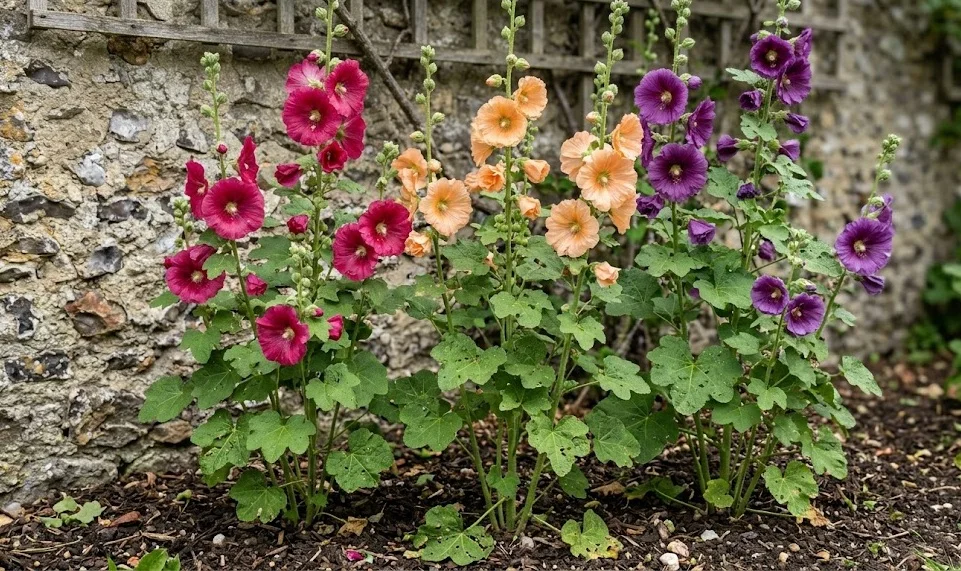

The impressive vertical growth and prolific blooming of hollyhocks are directly tied to the efficiency of their hydration and nutrient uptake systems. As high-energy plants, they require a steady supply of resources to build the massive stalks and large leaves that define their appearance. However, the way these resources are delivered can mean the difference between a thriving, resistant plant and one that is plagued by fungal issues. A professional approach to watering and fertilizing focuses on precision, timing, and an understanding of the plant’s physiological needs at different stages of its life cycle.
Principles of efficient irrigation
Watering hollyhocks requires a balance between providing enough moisture for their deep taproots and keeping the foliage as dry as possible. These plants are prone to various rust and fungal diseases that thrive in humid, wet environments, so overhead watering should be strictly avoided. The most effective method is to apply water directly to the base of the plant using a soaker hose or a drip irrigation system. This ensures that the water reaches the root zone where it is needed most without wetting the leaves, which significantly reduces the chance of disease outbreak.
The frequency of irrigation depends heavily on the soil type and the prevailing weather conditions in your specific region. During the peak of summer, hollyhocks may need a deep watering two to three times a week to maintain their turgor pressure and prevent wilting. A “deep watering” means providing enough volume to soak the soil to a depth of at least twelve inches, encouraging the roots to grow downward rather than staying near the surface. Shallow, frequent watering is counterproductive, as it leads to a weak root system that cannot withstand periods of drought.
Timing is another crucial factor when it comes to the irrigation of these architectural giants. Watering in the early morning hours is ideal because it allows any accidental moisture on the foliage to evaporate quickly as the sun rises. Morning hydration also ensures that the plant has a full reservoir of water to draw from during the hottest part of the day when transpiration rates are highest. Evening watering is generally discouraged, as it leaves the soil and the plant’s base damp overnight, creating a perfect breeding ground for slugs and fungal spores.
Observing the plant’s physical cues is the best way to determine if your watering schedule needs adjustment. If the large, lower leaves begin to droop or feel limp in the mid-afternoon, the plant is likely experiencing moisture stress and needs a deeper soak. Conversely, if the leaves appear yellow and the soil feels muddy or smells sour, you may be overwatering, which can lead to catastrophic root rot. Finding the “sweet spot” where the soil stays consistently moist like a wrung-out sponge is the goal of every expert gardener.
More articles on this topic
Nutritional requirements and fertilization strategies
To support their rapid growth and heavy flowering, hollyhocks need a consistent supply of both macro and micronutrients. They are often classified as “heavy feeders,” meaning they deplete the soil’s nutrient reserves more quickly than many other garden perennials. A balanced fertilizer with an equal ratio of nitrogen, phosphorus, and potassium (such as a 10-10-10 NPK) is typically the best choice for general maintenance. Nitrogen supports the development of the lush green foliage, while phosphorus is essential for the production of the massive flower spikes.
The timing of fertilizer applications should align with the plant’s natural growth surges throughout the season. An initial application in early spring, just as the new green shoots emerge from the soil, provides the “fuel” needed for the plant to establish its structural base. A second application in early summer, when the flower stalks begin to elongate, ensures that the plant has enough energy to produce high-quality blooms. Avoid fertilizing late in the autumn, as this can stimulate new, tender growth that will be easily killed by the first hard frost.
Organic amendments offer a long-term solution for soil fertility that synthetic fertilizers cannot match. Incorporating well-rotted compost, leaf mold, or aged manure into the soil around the hollyhocks every spring improves the soil’s structure and its ability to hold nutrients. These organic materials break down slowly, providing a steady stream of food for the plant and fostering a healthy population of beneficial soil microbes. Many professional horticulturists prefer this “soil-first” approach because it builds a more resilient growing environment over time.
While macronutrients get most of the attention, micronutrients like calcium and magnesium are also vital for the cellular health of hollyhocks. If you notice unusual discolorations or distorted growth that doesn’t look like a typical disease, a micronutrient deficiency might be the cause. Using a seaweed-based foliar spray or a specialized micronutrient supplement can quickly correct these issues. Always follow the manufacturer’s instructions carefully, as over-fertilizing can be just as damaging as under-fertilizing, often resulting in “leaf burn” or excessive, weak growth.
More articles on this topic
Managing moisture with mulch
Mulching is a sophisticated tool that bridges the gap between watering and fertilizing by protecting the soil’s physical and chemical integrity. A layer of organic mulch, such as shredded bark, wood chips, or clean straw, acts as an insulating blanket for the root zone. This layer significantly reduces the rate of evaporation from the soil surface, meaning you can water less frequently while still keeping the roots hydrated. In areas with intense summer heat, mulch is indispensable for preventing the soil from baking and becoming hydrophobic.
Beyond moisture retention, mulch also plays a role in the long-term fertilization of the garden bed. As organic mulches decompose, they slowly add humus and nutrients back into the soil, acting as a very mild, slow-release fertilizer. This natural recycling of nutrients mimics the floor of a wild ecosystem and helps maintain a stable pH level. When choosing a mulch, ensure it is free of weed seeds and pathogens, as you don’t want to inadvertently introduce competition or disease to your hollyhock patch.
The physical application of mulch requires a bit of finesse to avoid causing problems for the hollyhock’s crown. It is essential to keep the mulch a few inches away from the actual stems of the plant to prevent moisture from being trapped against the bark. Constant contact with wet mulch can lead to crown rot, a condition that is often fatal because it attacks the very center of the plant’s growth. A “donut” shape is the ideal application method: thick around the root zone but clear in the immediate center.
Weed suppression is the final major benefit of a well-maintained mulch layer. Weeds are more than just an eyesore; they are aggressive competitors that will steal water and fertilizer away from your hollyhocks. By blocking the sunlight that weed seeds need to germinate, mulch keeps the area clean and ensures that every drop of water and every grain of fertilizer goes toward the plant you intended to grow. This reduction in competition allows the hollyhock to maximize its resources and produce a more spectacular floral display.
Adapting to seasonal and climatic shifts
Watering and fertilizing routines must be flexible enough to adapt to the unpredictable nature of the weather and the changing seasons. During a particularly rainy spring, you may not need to water at all, and you might even need to skip a fertilization cycle to prevent nutrients from leaching away. Conversely, a prolonged heatwave requires a proactive increase in irrigation volume to compensate for the extreme evaporation rates. A professional gardener never sticks to a rigid calendar; instead, they respond to the immediate needs of the environment.
As the hollyhock enters its peak blooming phase in mid-summer, its demand for water reaches its absolute zenith. The large surface area of the leaves means the plant loses a significant amount of moisture through transpiration every day. If the plant is allowed to dry out during this critical window, the flowers will be smaller, and the bloom period will be drastically shortened. Keeping a close eye on the weather forecast and preemptively watering before a hot spell can help the plant weather the stress without losing its aesthetic appeal.
In the late summer and early autumn, as the plant begins to transition toward seed production and eventual dormancy, its resource needs shift. You can gradually reduce the frequency of watering as the temperatures cool and the plant’s growth slows down. Stop all heavy fertilization at this point to allow the plant’s tissues to “harden off” in preparation for winter. This transition period is vital for the plant’s survival, as it signals the biological shift from active growth to energy conservation and root storage.
For those living in regions with very sandy or very heavy clay soils, the watering and fertilizing strategy must be further customized. Sandy soils drain very quickly and hold few nutrients, requiring more frequent watering and smaller, more regular doses of fertilizer. Clay soils, on the other hand, hold water and nutrients for a long time but are prone to compaction and waterlogging. Understanding your specific soil texture allows you to fine-tune your care routine, ensuring that your hollyhocks receive exactly what they need regardless of the geological challenges.
Troubleshooting hydration and nutrient issues
Despite your best efforts, problems can occasionally arise that require immediate diagnostic and corrective action. Nutrient toxicity is a common issue for over-eager gardeners who apply too much synthetic fertilizer, resulting in salt buildup in the soil. This can cause the edges of the leaves to turn brown and crispy, a symptom known as “fertilizer burn.” If you suspect this has happened, flushing the soil with large amounts of clean water can help wash away the excess salts and restore balance.
On the other end of the spectrum, chronic underwatering can lead to a condition where the plant becomes stunted and “woody” before its time. If the soil has become so dry that it has pulled away from the edges of the pot or the garden bed, it may become hydrophobic and repel water. In this case, a slow, gentle trickle of water over several hours is necessary to re-saturate the soil particles. Adding a small amount of yucca extract or a specialized wetting agent to the water can also help break the surface tension and improve penetration.
Iron chlorosis is a specific nutrient issue that often appears in alkaline soils where the plant cannot absorb enough iron. This manifests as yellowing leaves with distinct green veins, usually appearing first on the younger, upper foliage. To fix this, you can apply a chelated iron supplement as either a soil drench or a foliar spray. Correcting the soil pH over the long term is a more permanent solution, but the iron supplement provides the quick fix needed to keep the plant healthy during the current season.
Finally, always remember that the health of the roots is the ultimate indicator of the success of your watering and fertilizing program. If a plant is failing despite seemingly perfect care, it may be worth gently investigating the root zone for signs of pests like root aphids or diseases like verticillium wilt. Healthy roots should be firm and light-colored, not mushy or black. By maintaining a holistic view of the plant’s subterranean environment, you can ensure that your hollyhocks remain the crowning glory of your garden for years to come.