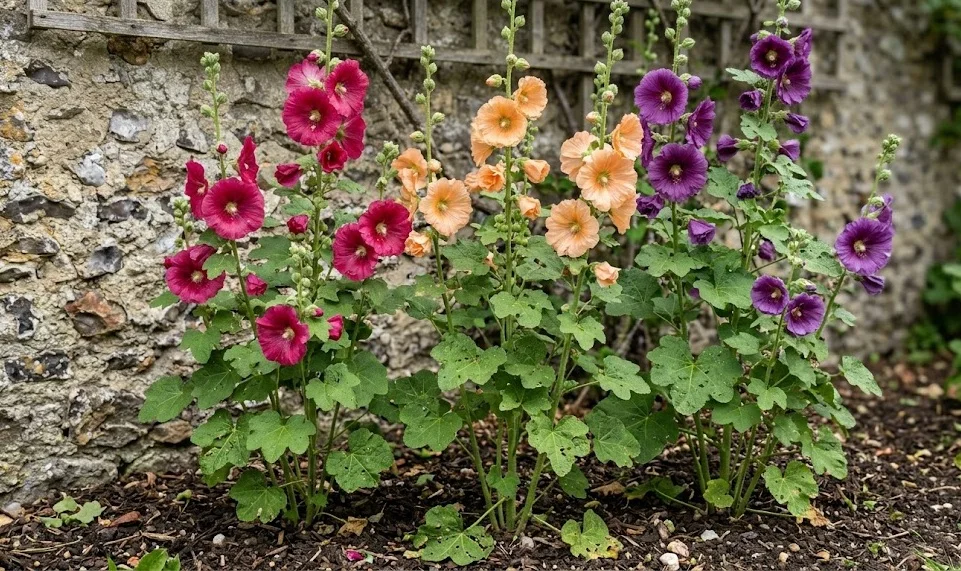

Hollyhocks are legendary for their stature and beauty, but they are equally famous among gardeners for their susceptibility to specific biological threats. Maintaining a healthy colony of Alcea requires a vigilant eye and a proactive management strategy to combat fungal infections and insect infestations. Because these plants are tall and have large leaves, they provide a significant surface area for pathogens to colonize. Understanding the life cycles of these common enemies is the first step in protecting your garden from a complete aesthetic and structural collapse.
Identifying and managing hollyhock rust
The most prevalent and destructive disease affecting this species is hollyhock rust, caused by the fungus Puccinia malvacearum. This pathogen is easily identified by the appearance of small, bright orange-to-yellow pustules on the undersides of the lower leaves. As the infection progresses, these spots turn brown or chocolate-colored, and the corresponding upper surface of the leaf develops yellow or dead patches. If left untreated, the rust can move rapidly up the entire stalk, causing the leaves to wither, turn brown, and eventually fall off, leaving a bare and unsightly stem.
Controlling rust requires a combination of cultural practices and, in severe cases, chemical intervention. The primary goal is to break the fungus’s life cycle by removing and destroying any infected foliage as soon as it is spotted. Never compost leaves infected with rust, as the spores are incredibly resilient and can survive the heat of a standard compost pile to reinfect the garden the following year. Improving air circulation by proper spacing and ensuring that you only water at the base of the plant can significantly slow the spread of the spores.
In the autumn, a thorough cleanup is the best defense against a repeat performance of the disease in the spring. Cut the hollyhock stalks down to the ground and remove all fallen debris from the soil surface, as the fungus overwinters on infected plant tissue. Some gardeners find success by applying a preventative sulfur-based fungicide or a specialized rose spray in early spring as the new leaves emerge. This creates a protective barrier that prevents the spores from germinating when they land on the plant during the damp days of early summer.
There are also rust-resistant varieties available that have been specifically bred to withstand the pressure of this fungus. While no hollyhock is completely immune, these improved cultivars show significantly fewer symptoms and maintain their foliage much longer than traditional heirloom types. If you live in a particularly humid or rainy climate where rust is a constant battle, switching to these resistant strains is a professional and practical solution. Combining genetic resistance with good sanitation creates a multi-layered defense that is much more effective than relying on one method alone.
More articles on this topic
Dealing with common sap-sucking insects
Aphids and spider mites are the most frequent insect visitors that can compromise the health of your hollyhocks. Aphids are small, soft-bodied insects that cluster on the tender new growth of the flower buds and the undersides of leaves, sucking out the plant’s vital juices. This feeding can lead to distorted growth, stunted flowers, and the secretion of “honeydew,” a sticky substance that attracts ants and promotes the growth of sooty mold. A strong blast of water from a garden hose is often enough to dislodge these pests without the need for harsh chemicals.
Spider mites are a different challenge altogether, as they are nearly invisible to the naked eye and thrive in hot, dry conditions. You might first notice their presence by the fine, silken webbing they weave between the leaves and stems, or by a “stippled” look on the foliage where they have pierced the cells. Because they reproduce so quickly, an infestation can spiral out of control in just a few days of mid-summer heat. Keeping the area around your hollyhocks well-hydrated and occasionally misting the leaves can create a less hospitable environment for these tiny arachnids.
For more persistent insect problems, insecticidal soaps or horticultural oils are excellent professional-grade tools that have a low impact on the environment. These products work by physically coating the insects and suffocating them, rather than relying on systemic toxins. It is important to apply these treatments in the late evening or early morning to avoid burning the leaves in the sun and to minimize the impact on beneficial pollinators like bees. Regular inspection of the “heart” of the plant where new growth emerges will help you catch these pests before they establish a large colony.
Beneficial insects, such as ladybugs and lacewings, are the gardener’s natural allies in the fight against aphids and mites. Encouraging these predators by planting a variety of flowering herbs nearby creates a balanced ecosystem where pest populations are kept in check naturally. Avoid using broad-spectrum pesticides that kill both the pests and their predators, as this often leads to a secondary pest outbreak once the chemicals wear off. A professional approach favors integrated pest management, using the least toxic methods first and only escalating when absolutely necessary.
More articles on this topic
Defending against chewing pests and slugs
Slugs and snails are notorious for their ability to decimate a young hollyhock rosette overnight, especially during damp spring weather. These mollusks prefer the tender, succulent tissues of new seedlings and can leave large, ragged holes in the leaves or even consume entire stems. They are primarily nocturnal, so their damage is often found in the morning, along with the tell-tale shiny slime trails they leave behind. Using barriers like copper tape around pots or spreading crushed eggshells and diatomaceous earth around the base of garden plants can deter them.
Japanese beetles are another significant threat in many regions, arriving in mid-summer to “skeletonize” the hollyhock leaves. These metallic green and copper beetles feed in groups and can strip the foliage from a tall stalk in a matter of days. Hand-picking the beetles and dropping them into a bucket of soapy water is an effective, albeit tedious, way to manage small populations. For larger infestations, some gardeners use pheromone traps, though these should be placed far away from the hollyhocks to avoid attracting even more beetles to the target plants.
Caterpillars, including the larvae of various moths and butterflies, may also find your hollyhocks to be a tasty host plant. While some gardeners enjoy the presence of butterflies, the resulting holes in the leaves can be a significant aesthetic drawback for a show garden. If the damage is localized, simply removing the caterpillars by hand and moving them to a less prized plant is usually sufficient. If you must use a spray, Bacillus thuringiensis (Bt) is a biological control that specifically targets caterpillars without harming other beneficial insects or pets.
The key to managing chewing pests is early detection and regular monitoring of the entire plant, including the hidden nooks and crannies. Check the undersides of the leaves and the areas where the leaf petioles meet the main stem, as these are common hiding spots. If you notice a sudden increase in damage, try to identify the specific culprit before taking action, as different pests require different control methods. Maintaining a tidy garden floor by removing old wood and excessive leaf litter also removes the hiding spots that many of these pests use during the day.
Fungal leaf spots and root rots
Beyond rust, hollyhocks can fall victim to various leaf spot fungi, such as Cercospora and Septoria. These diseases typically manifest as small, circular spots with dark borders and tan or grey centers on the foliage. While usually less lethal than rust, a severe infection can still weaken the plant and reduce its overall bloom quality. The management strategy for these leaf spots is similar to that of rust: improve airflow, avoid overhead watering, and remove infected plant material promptly to prevent the spread of spores.
Root and crown rot are perhaps the most dangerous fungal issues because they attack the plant from below the soil line. These problems are almost always the result of poor drainage or overwatering, leading to a lack of oxygen in the root zone. A plant suffering from root rot will often wilt even when the soil is wet, and the base of the stem may appear black, mushy, or smell of decay. Once root rot has taken hold, it is very difficult to save the plant, making prevention through proper site selection and soil preparation the only reliable cure.
Verticillium wilt is a more complex soil-borne fungus that enters through the roots and clogs the plant’s vascular system. This causes the leaves to yellow and wilt, often starting on one side of the plant or on the lower branches first. Because the fungus lives in the soil for many years, you should avoid planting hollyhocks or other susceptible species in that same spot if you have a confirmed case. There is no effective chemical treatment for wilt, so the best approach is to remove the infected plant entirely and focus on improving soil health.
Powdery mildew is another common fungal issue, appearing as a white, flour-like dusting on the leaves during the humid days of late summer. Unlike most other fungi, powdery mildew doesn’t require liquid water to grow; high humidity alone is enough to trigger an outbreak. While it is rarely fatal, it can significantly detract from the plant’s appearance and interfere with photosynthesis. A simple spray made of one part milk to nine parts water, or a dilute baking soda solution, can often keep powdery mildew in check without the need for commercial fungicides.
Nutritional and environmental disorders
Sometimes what looks like a disease or a pest infestation is actually a physiological response to environmental stress. Nutrient deficiencies, as discussed in previous chapters, can cause yellowing or spotting that mimics fungal infections. For example, a lack of magnesium often results in “interveinal chlorosis,” where the tissue between the leaf veins turns yellow while the veins stay green. Before reaching for a fungicide, it is always a good idea to assess the soil quality and ensure the plant is receiving a balanced diet of essential minerals.
Leaf scorch is another environmental condition that can be mistaken for a disease, especially during periods of extreme heat and wind. The edges of the leaves turn brown and brittle as the plant loses water faster than the roots can supply it. This is a physical problem rather than a biological one, and it can be mitigated by providing adequate irrigation and temporary shade during heatwaves. Understanding the difference between a pathogen and a stress response allows you to apply the correct “medicine” and avoid wasting money on unnecessary treatments.
Chemical drift from nearby lawn treatments or agricultural spraying can also cause distorted or spotted foliage on hollyhocks. If you notice a sudden, widespread change in the appearance of your plants after a neighbor has treated their yard, this may be the culprit. Affected plants can often grow out of the damage if the exposure was minimal, but heavily contaminated plants should be monitored closely for signs of permanent decline. Professional gardeners always communicate with neighbors to ensure that everyone is aware of the sensitive plants nearby.
Ultimately, the best defense against all diseases and pests is a healthy, vigorous hollyhock. A plant that is growing in the right location with the right nutrients and water is naturally more resilient and better able to recover from minor attacks. By viewing your garden as a whole ecosystem and practicing “integrated health management,” you can minimize the impact of these biological challenges. This holistic approach ensures that your hollyhocks remain a stunning centerpiece of your landscape rather than a constant source of horticultural frustration.