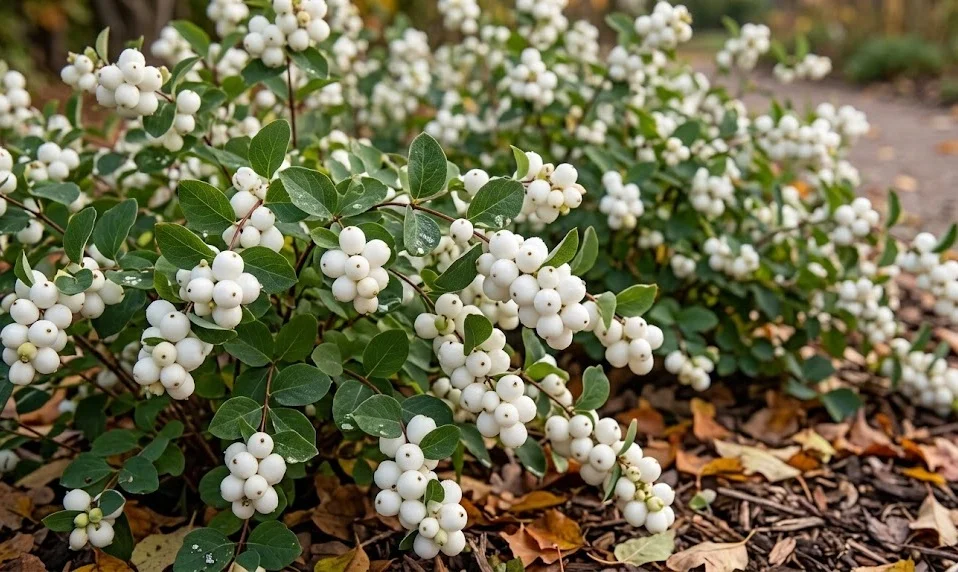

Mastering the art of pruning is one of the most effective ways to maintain the health, shape, and productivity of your snowberry. You should understand that while this shrub can grow quite happily without much intervention, regular cutting back prevents it from becoming overgrown and unproductive. A well-timed prune encourages the growth of fresh, young stems which are the most likely to produce the best foliage and the largest clusters of berries. Approaching this task with a professional mindset involves knowing when to be gentle and when a more drastic intervention is needed.
The best time to prune a snowberry is in the late winter or very early spring, just before the new growth begins to emerge. You will find that at this stage, the plant is still dormant, and you can easily see the overall structure of the branches without the leaves in the way. Removing old or damaged wood at this time allows the plant to direct all its spring energy into new, healthy shoots. Proper timing ensures that you don’t accidentally cut off the buds that will become this year’s flowers and berries.
Pruning is also an essential tool for managing the size and spread of the snowberry, especially in smaller garden spaces. You can use selective cuts to keep the shrub within its designated area and prevent it from encroaching on neighboring plants. If the bush has become too large or tangled over many years, a rejuvenation prune can effectively reset the plant and start it on a fresh growth cycle. This ability to renew itself is one of the great strengths of the snowberry and makes it a very forgiving plant for the home gardener.
Using the correct tools and techniques is just as important as the timing of your pruning activities. You should always use sharp, clean bypass pruners to ensure clean cuts that heal quickly and don’t invite disease into the plant. For larger stems, a set of loppers or even a small folding saw might be necessary to make a professional-grade cut without tearing the bark. Taking pride in the quality of your work and the health of your tools is a hallmark of a dedicated and expert gardener.
Essential pruning techniques
For general maintenance, you should start by removing any branches that are dead, damaged, or showing signs of disease. You can identify dead wood by its brittle texture and lack of a green layer just under the bark when you give it a small scratch. Removing these unproductive parts of the plant improves air circulation and makes the whole shrub look more tidy and intentional. This initial cleaning is the foundation of any professional pruning job and should be done every year without fail.
More articles on this topic
Next, look for any stems that are crossing or rubbing against each other, as these can create wounds that become entry points for pests and fungi. You should choose the healthier or better-positioned branch of the two and remove the other one to open up the center of the bush. An open, airy structure allows light to reach the interior of the shrub, which is essential for even growth and healthy berry production. Thinking about the three-dimensional shape of the plant as you prune will lead to a much more attractive result.
You can also use heading cuts to encourage the plant to branch out and become more dense if it has started to look leggy. This involves cutting a stem back to just above a healthy-looking bud that is facing in the direction you want the new growth to go. The plant will respond by sending out one or more new shoots from that point, filling in gaps in the foliage and creating a bushier appearance. This technique is particularly useful for young snowberries that are still developing their basic structure in your landscape.
Finally, always step back and look at the entire shrub from several different angles as you work to ensure you are maintaining a balanced shape. You don’t want to prune too much from one side and leave the other looking overgrown or lopsided. A professional prune should look natural, almost as if the plant grew that way on its own without any help from the gardener. Trusting your eye and taking your time will lead to a beautiful and healthy snowberry that enhances your garden for years to come.
Rejuvenation and thinning
If your snowberry has become a dense, unproductive thicket of old wood, a thinning or rejuvenation prune might be exactly what it needs. You should aim to remove about one-third of the oldest, thickest stems right down to the ground level every two or three years. This process, often called “renewal pruning,” constantly refreshes the plant by encouraging a steady supply of vigorous new shoots from the base. It’s a professional strategy that keeps the shrub young and prevents it from ever becoming truly exhausted or unattractive.
More articles on this topic
In cases where a plant has been completely neglected for a decade or more, you might even consider a more drastic “hard prune.” This involves cutting the entire bush down to within a few inches of the ground in the early spring, allowing it to start completely over. While this might seem scary, the snowberry is incredibly resilient and will usually respond with a flush of very fast, healthy new growth. Within a single season, you will often have a much better-looking and more productive plant than you had before the intervention.
Thinning out the center of the bush is also a key technique for maintaining the overall health of a large snowberry. You should look for small, weak stems that are growing in the deep shade of the outer branches and remove them to focus the plant’s energy on the stronger wood. This practice not only improves the look of the shrub but also makes it much easier to manage pests and diseases by increasing the light and air inside the plant. A well-thinned snowberry has a graceful, transparent quality that is highly prized in professional garden design.
Remember that any major pruning should be followed by a little extra care to help the plant recover from the stress of losing so much wood. You should ensure the shrub is well-watered and perhaps give it a light feeding of balanced fertilizer to support the coming flush of new growth. Monitoring the plant closely for the first few months after a rejuvenation prune will allow you to see how it is responding and make any minor adjustments as needed. This follow-up care is the final step in a truly professional approach to shrub maintenance.
Tools and timing for pruning
The quality of your pruning tools will have a direct impact on the health of your snowberry and the ease with which you can complete the task. You should invest in a pair of high-quality bypass pruners, which work like scissors and provide a clean, sharp cut that doesn’t crush the delicate stems. Keeping your tools sharp and well-oiled is not just about making the job easier; it’s about the professional responsibility of doing no harm to your plants. Dull blades tear the bark and leave ragged edges that are slow to heal and prone to infection.
Cleaning your tools before you start and between different plants is another vital professional habit you should adopt. You can use a simple solution of rubbing alcohol or a mild bleach mixture to sterilize the blades and prevent the spread of diseases from one part of the garden to another. This is especially important if you have been working on a plant that you suspect might be harboring a fungal infection or other health issue. Taking those few extra seconds to wipe down your pruners can save you a lot of trouble and heartache in the long run.
Timing your pruning to coincide with the plant’s natural dormant period is the best way to minimize stress and maximize growth. You should aim for that window in late winter when the worst of the cold has passed but the buds haven’t yet started to swell and turn green. Pruning during this time prevents the plant from “bleeding” excessive sap and allows the wounds to start healing just as the spring growth surge begins. Working in harmony with the seasons is the most sophisticated way to manage any perennial shrub in your landscape.
Finally, don’t be afraid to leave the pruners in the shed occasionally if the plant is already looking healthy and shaped exactly the way you like it. You should only prune when there is a clear benefit to the plant’s health, shape, or productivity, rather than just doing it out of habit. Sometimes, the most professional thing a gardener can do is to step back and let the plant express its natural beauty without any interference at all. Observing and understanding your snowberry’s unique character will tell you exactly when it’s time to reach for the tools and when it’s time to just enjoy the view.