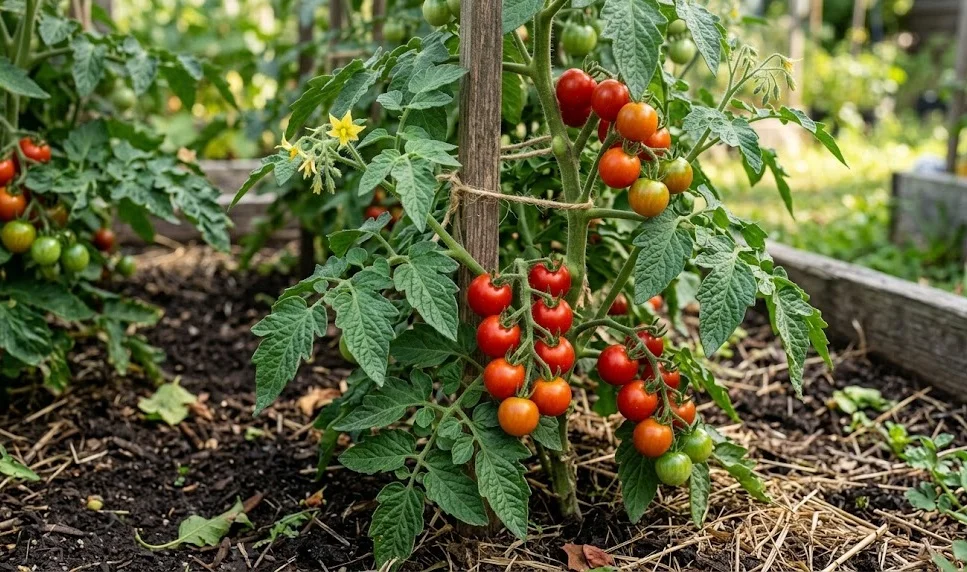

Caring for tomato plants requires a deep understanding of their biological needs and environmental responses to ensure a bountiful harvest. You should start by observing the specific growth habits of your chosen variety, whether it is determinate or indeterminate, to tailor your approach accordingly. Consistent attention to the soil health and ambient conditions will prevent most common physiological disorders before they even begin to manifest. It is a rewarding process that combines scientific precision with the intuitive touch of an experienced gardener who knows their land.
Healthy soil serves as the foundation for every successful tomato crop, providing the necessary nutrients and drainage for vigorous root development. You must ensure that the earth is rich in organic matter and maintains a slightly acidic pH level between six and seven. Compaction should be avoided at all costs, as roots require oxygen to thrive and absorb moisture efficiently throughout the growing season. Regularly testing the soil profile allows you to make precise adjustments that keep the plants in peak condition from spring through autumn.
Environmental factors like temperature and humidity play a significant role in how well your plants develop and set fruit during the summer months. Tomatoes generally thrive when daytime temperatures stay between twenty and thirty degrees Celsius, while nights should remain above fifteen degrees for optimal pollination. If the weather becomes excessively hot, you might notice blossom drop, which is the plant’s natural response to heat stress and moisture loss. Providing adequate airflow and monitoring the local climate daily will help you mitigate these risks and maintain steady growth.
Observation is perhaps the most critical tool in your gardening arsenal when dealing with these demanding yet generous plants. You should walk through your garden daily to check for signs of nutrient deficiencies, early pest arrivals, or simple mechanical damage from wind. Catching a small issue early prevents it from becoming a widespread problem that could threaten your entire harvest later in the season. Developing this habit of close inspection transforms gardening from a chore into a professional practice of agricultural stewardship and care.
Structural support for growing plants
Providing sturdy support is essential for indeterminate varieties that continue to grow and produce fruit until the first frost kills the vines. You should install cages or stakes early in the development phase to avoid damaging the sensitive root systems as the plants expand. Without proper vertical training, the heavy fruit will eventually pull the branches to the ground, increasing the risk of rot and soil-borne diseases. A well-supported plant also benefits from better sunlight penetration and air circulation, which are vital for ripening fruit evenly.
More articles on this topic
Wooden stakes or metal cages are common choices, but you must ensure they are tall enough to accommodate the full potential of the plant. Tying the main stems loosely with soft twine or cloth strips prevents the support from cutting into the tender green tissues as they thicken. You should check these ties weekly to make sure they are not becoming too tight as the plant gains mass and height. This proactive management keeps the plants upright and manageable, allowing for much easier harvesting and maintenance tasks throughout the summer.
Trellising systems are particularly effective for large-scale operations where multiple rows of tomatoes need to be managed simultaneously. You can use the Florida weave method or overhead wires to create a stable environment that maximizes the use of available vertical space. This method encourages the plants to grow straight up, which keeps the foliage organized and simplifies the process of pruning and spraying if necessary. Professional gardeners often prefer these systems because they offer a clean, organized look and superior stability during summer storms.
The height of your support structures should ideally reflect the expected maturity of the specific tomato variety you are growing in your beds. Smaller bush types might only need a short cage, while heritage varieties can easily reach heights of over two meters in a single season. If your supports are too flimsy, they may collapse under the weight of the ripening fruit or during a heavy rainfall event. Investing in high-quality materials at the start of the season saves you the frustration of having to repair broken plants later on.
Effective mulching for moisture retention
Applying a thick layer of organic mulch around the base of your plants is a professional secret for maintaining consistent soil moisture levels. You can use straw, shredded leaves, or even grass clippings to create a barrier that prevents the sun from drying out the topsoil. This practice also helps suppress weed growth, which reduces the competition for nutrients and water between your tomatoes and unwanted plants. A cool, damp root zone is exactly what a tomato plant needs to produce large, juicy fruits without the threat of cracking.
More articles on this topic
Mulching also acts as a protective shield against soil-borne pathogens that might splash onto the lower leaves during heavy rain or irrigation. By keeping the foliage dry and separated from the earth, you significantly reduce the chances of early blight and other fungal infections taking hold. You should leave a small gap around the main stem to allow for air circulation and prevent the bark from rotting due to excess moisture. This simple step creates a cleaner growing environment and leads to much healthier plants over the long term.
As the organic mulch decomposes over the season, it slowly releases valuable nutrients back into the soil and improves the overall ground structure. You will find that the earth beneath the mulch stays friable and full of beneficial earthworms that help aerate the root zones of your plants. This natural cycle of decomposition mimics the forest floor and creates a self-sustaining system of fertility that benefits the entire garden ecosystem. Choosing a high-quality organic mulch ensures that you are not introducing weed seeds or chemicals into your professional growing area.
The timing of mulch application is just as important as the material you choose to use for your vegetable garden beds. You should wait until the soil has warmed up sufficiently in the late spring before covering it, as mulch can trap cold temperatures in the ground. Once the plants are established and the weather is consistently warm, you can apply the layer to lock in the heat and moisture. This strategic approach ensures that your tomatoes get off to a fast start while still benefiting from the protection mulch provides.
Seasonal monitoring and plant health
Vigilance is required throughout the entire life cycle of the tomato plant to ensure that growth remains steady and productive for many months. You should keep a garden journal to record the dates of planting, the first appearance of flowers, and any unusual weather patterns that occur. This professional record-keeping helps you identify trends and prepare for future seasons by understanding how different varieties respond to your local microclimate. Monitoring the growth rate allows you to adjust your care routine before any minor stress factors become serious health issues.
Checking the underside of the leaves is a vital part of your daily routine, as many pests and diseases start their life cycles hidden from view. You might find early signs of aphids, spider mites, or the first spots of a fungal infection that can be treated quickly if caught in time. Using a magnifying glass can help you identify small insects that are otherwise difficult to see with the naked eye in the bright sun. This level of detail-oriented care is what separates a casual hobbyist from a truly professional gardener who values their harvest.
The color of the foliage provides immediate feedback on the nutritional status of your plants and the quality of their current growing environment. Deep green leaves indicate a healthy intake of nitrogen and other essential minerals, while yellowing or purple tints might suggest a specific deficiency. You should also watch for the curling of leaves, which can be caused by environmental stress, viral infections, or even herbicide drift from neighboring properties. Understanding these visual cues allows you to react with the appropriate fertilizer or environmental adjustment to restore plant health.
As the season progresses, you should also monitor the development of the fruit to ensure they are ripening properly and remaining free from damage. Look for signs of blossom end rot, which appears as a dark, sunken spot on the bottom of the fruit and usually indicates a calcium transport issue. If you notice any cracked tomatoes, it might be a sign that your watering schedule is inconsistent and needs more regularity. Keeping a close eye on the ripening process ensures that you harvest each tomato at its peak flavor and nutritional value.
Harvesting and handling techniques
Knowing exactly when to pick your tomatoes is an art form that depends on the variety and your intended use for the final product. You should look for a uniform color and a slight softening of the fruit, which indicates that the natural sugars have fully developed. While some gardeners prefer to let the fruit ripen fully on the vine, others harvest at the “breaker stage” when the color first begins to change. This professional choice can help prevent the fruit from cracking or being eaten by birds and insects before you can enjoy them.
When harvesting, you should use sharp garden snips or a gentle twisting motion to remove the fruit without damaging the main vine of the plant. Yanking the tomato can cause bruising or even break entire branches, which stresses the plant and leaves it vulnerable to infection at the wound site. It is best to handle the fruit as little as possible to preserve the delicate skin and the natural protective bloom that covers the surface. Placing the harvested tomatoes in a shallow basket prevents the bottom layers from being crushed by the weight of the fruit above them.
Proper storage after the harvest is just as important as the growing process itself if you want to maintain the best possible flavor and texture. You should never store fresh tomatoes in the refrigerator, as cold temperatures destroy the aromatic compounds and make the flesh mealy and unappealing. Instead, keep them at room temperature in a shaded area with the stem side down to prevent moisture loss and bruising. This simple storage tip ensures that your hard work in the garden translates into a superior culinary experience at the dining table.
If you find yourself with an abundance of green tomatoes at the end of the season, you can often ripen them indoors in a cool, dark place. Placing them in a paper bag with a ripe apple or banana will speed up the process by concentrating the natural ethylene gas they produce. While the flavor might not be quite as intense as vine-ripened fruit, it still allows you to extend your harvest well into the late autumn months. Careful handling during this late-season harvest ensures that every bit of effort you put into the plants is rewarded.
Tool hygiene and maintenance protocols
Keeping your gardening tools clean and sharp is a fundamental aspect of professional tomato care that many people unfortunately overlook during the busy season. You should disinfect your pruning shears and snips with rubbing alcohol or a mild bleach solution after working on each individual plant. This prevents the accidental spread of viral and bacterial diseases that can quickly move through a garden on the surface of contaminated equipment. A clean cut also heals much faster than a jagged one, reducing the stress on the plant’s vascular system and overall health.
Sharpening your blades regularly ensures that every snip is precise and requires minimal force, which is better for both you and your plants. You can use a simple whetstone or a diamond file to maintain the edge of your shears throughout the spring and summer growing months. Dull tools tend to crush the stems rather than cutting them, which creates a messy wound that is much more likely to attract pests or pathogens. Taking five minutes each week to maintain your equipment will save you countless hours of dealing with diseased or damaged plants later.
Shovels, forks, and hoes should also be cleaned of soil and debris after every use to prevent the buildup of rust and the transport of weed seeds. You can store your metal tools in a bucket of oily sand to keep them lubricated and protected from the moisture in the air during the off-season. This level of care extends the life of your professional equipment and ensures that they are always ready for the heavy tasks required in the garden. Well-maintained tools are a hallmark of a serious grower who respects their craft and the environment they work in.
Organizing your workspace and tool shed allows you to find exactly what you need when a problem arises in the tomato patch. You should have a designated area for cleaning, sharpening, and storing your equipment so that maintenance becomes a seamless part of your gardening routine. Labeling your various fertilizers and organic sprays also prevents mistakes and ensures that you are applying the right product at the correct time. A professional approach to tool management directly contributes to the success and efficiency of your entire agricultural operation.
Post-harvest soil recovery and preparation
Once the final tomatoes have been harvested and the vines have begun to wither, your focus should shift to the long-term health of the soil. You should remove all plant debris from the garden beds, especially if there were any signs of disease during the growing season, to prevent pathogens from overwintering. Instead of leaving the ground bare, consider planting a cover crop like clover or winter rye to protect the soil from erosion and nutrient leaching. This professional practice adds organic matter and nitrogen back into the earth, preparing it for the next cycle of planting.
Testing your soil again in the autumn gives you a clear picture of which nutrients were depleted by the heavy-feeding tomato plants during the summer. You can apply slow-release organic fertilizers or compost during this time, allowing them to integrate with the soil structure over the winter months. This proactive amendment process ensures that the earth is revitalized and full of life by the time the next spring planting window arrives. A healthy soil cycle is the most important factor in achieving consistent results year after year in your professional garden.
Turning over the soil gently with a garden fork can help disrupt the life cycles of soil-dwelling pests that might be planning to hibernate in your beds. You should avoid heavy tilling, which can destroy the delicate fungal networks and soil structure that are vital for nutrient transport and water retention. Adding a fresh layer of high-quality compost over the surface will provide a feast for beneficial microbes and insects that keep the ground healthy. This mindful approach to soil recovery demonstrates a deep respect for the natural systems that make professional gardening possible.
Planning your crop rotation for the following year is the final step in a comprehensive post-harvest recovery strategy for any serious grower. You should never plant tomatoes in the same spot two years in a row, as this encourages the buildup of specific pests and diseases in the soil. Moving your tomatoes to a different area of the garden helps balance nutrient usage and keeps the ecosystem diverse and resilient against future challenges. By thinking ahead and treating the soil as a living organism, you ensure that your garden will remain productive and vibrant for many years to come.