
Preparing your snowberry for the winter months is a straightforward but essential part of ensuring its long-term success in the garden. You should remember that this plant is naturally very cold-hardy and has evolved to survive the harsh winters of its native northern climates. However, taking a few simple steps to protect the roots and manage the structure of the shrub can prevent unnecessary damage and lead to a more vigorous spring. A professional approach to winter care is about working with the plant’s natural dormancy to provide the best possible conditions for rest.
The primary goal of overwintering is to protect the plant from the physical stresses of extreme cold, heavy snow, and the drying effects of winter winds. You will find that the snowberry is well-equipped to handle these challenges, but a little extra attention can make a significant difference. Focusing on the root zone and the integrity of the branches will help the shrub emerge from its sleep in peak condition. This period of dormancy is vital for the plant’s health, allowing it to reset and prepare for the next cycle of growth and berry production.
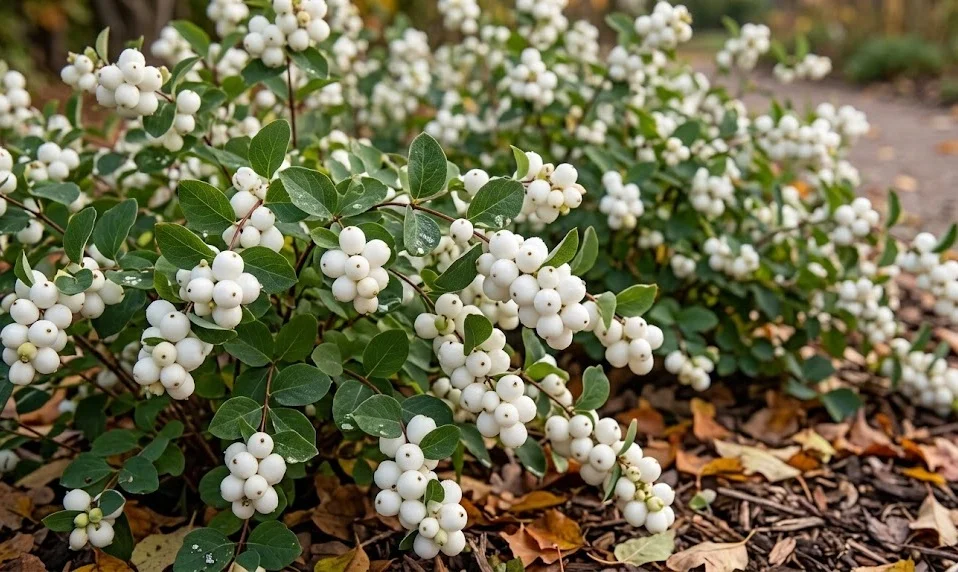
Winter is also a time when the snowberry provides its most significant visual interest, with its bright white berries standing out against the bare stems and often the snow. You should keep this aesthetic value in mind as you prepare the plant, avoiding any drastic pruning that would remove this beautiful seasonal display. Many birds also rely on these berries as a late-season food source, so your winter care has an ecological dimension as well. Balancing the needs of the plant with its role in the winter landscape is a hallmark of a thoughtful and professional gardener.
As the days grow shorter and the first frosts arrive, you will see the plant begin its transition into a state of rest. You should follow this lead by slowing down your own gardening activities and focusing on protective measures rather than encouraging growth. By understanding the science of how the plant protects itself from freezing, you can provide better support during the coldest months of the year. This annual cycle of rest and renewal is one of the most fascinating aspects of caring for perennial shrubs like the snowberry.
Cold hardiness and frost protection
The snowberry is rated for very cold climates, often surviving temperatures well below freezing without any permanent ill effects. You should feel confident that your plant is capable of handling typical winter weather, provided it is healthy and well-established before the cold sets in. The plant’s cells undergo chemical changes in the autumn that act as a natural antifreeze, protecting the delicate internal structures from being damaged by ice crystals. This remarkable biological adaptation is what allows the shrub to thrive in regions with long, snowy winters.
More articles on this topic
One of the few risks during a very cold winter is the drying effect of persistent, freezing winds, which can pull moisture out of the dormant stems. You should consider providing a temporary windbreak if your snowberry is planted in a particularly exposed or breezy part of your property. Simple burlap screens or even strategic placement near a wall or larger evergreens can offer enough protection to prevent winter desiccation. Keeping the stems hydrated through the autumn also helps the plant resist the drying effects of the winter air.
Frost heave is another phenomenon that can affect young or newly planted snowberries during the winter months. You might see the plant being slowly pushed out of the ground by the repeated freezing and thawing of the soil, which can expose the sensitive roots to the air. Checking your plants after a major thaw and gently firming them back into the soil if necessary is a professional habit that prevents winter losses. A thick layer of mulch is the best defense against this issue, as it helps stabilize the soil temperature and reduce the depth of the frost line.
While the stems and roots are very hardy, a sudden, late spring frost can sometimes damage the very first tender buds as they begin to emerge. You should be prepared to cover the shrub with a light cloth or frost blanket if an unseasonable cold snap is predicted after growth has started. This simple intervention can save the year’s foliage and flowers from being nipped by the frost and ensure a full season of beauty. Being aware of the local weather patterns and being ready to act is a key part of successful long-term gardening.
Winter mulching techniques
Applying a fresh layer of mulch in the late autumn is perhaps the single most important thing you can do to help your snowberry through the winter. You should use an organic material like wood chips, shredded leaves, or compost to create a protective blanket over the root zone. This layer acts as an insulator, keeping the ground from freezing and thawing too rapidly and protecting the roots from extreme temperature swings. A well-mulched plant is much more likely to survive even the most challenging winter conditions with no damage at all.
More articles on this topic
The timing of your winter mulching is important; you should wait until the ground has started to cool down but before it is frozen solid. This timing helps trap a modest amount of heat in the soil while ensuring the plant has fully entered its dormant state. Applying mulch too early in the autumn can sometimes keep the soil too warm, potentially delaying the plant’s natural hardening-off process. Aim for that window of time after the first few light frosts but before the deep winter weather truly arrives in your area.
When applying the mulch, you should aim for a depth of about two to three inches, spreading it out to the edge of the plant’s drip line. Be careful to keep the material a few inches away from the actual base of the stems to avoid creating a damp environment that could encourage rot or provide a hiding place for rodents. Voles and mice can sometimes chew on the bark of shrubs under the cover of mulch during the winter, so keeping a clear space around the trunk is a professional safety measure. This “donut” shape is the ideal way to provide the benefits of mulch without the potential drawbacks.
As the winter progresses, the mulch will slowly begin to break down, enriching the soil with organic matter for the coming spring. You should think of this winter layer not just as protection, but as a slow-release gift to the plant for its future growth. By the time the snow melts and the ground warms up, the soil underneath will be in excellent condition to support the new shoots of the snowberry. It is a simple, natural, and highly effective way to manage your landscape through the changing seasons.
Caring for containerized snowberries
If you are growing your snowberry in a pot or container, it will need a bit more attention during the winter than those planted in the ground. You should realize that the roots in a container are much more exposed to the cold air and don’t have the vast insulation of the earth to protect them. In colder climates, a potted snowberry can actually freeze solid, which might be more than even this hardy plant can handle. Taking steps to insulate the pot or move it to a more protected location is essential for the plant’s survival.
One effective strategy is to move the container to an unheated garage, shed, or a sheltered corner of a patio where it is out of the worst of the wind and snow. You should avoid bringing it into a heated house, as the warmth will wake the plant up from its dormancy and cause it to grow weak, spindly shoots in the low light. The goal is to keep the plant cold but protected from the most extreme temperature drops that could kill the roots. A dormant plant doesn’t need light, so a dark garage is perfectly fine for the middle of the winter.
Another option for overwintering a potted snowberry is to wrap the container in insulating materials like bubble wrap, burlap, or even old blankets. You can also group several pots together and fill the spaces between them with straw or leaves to create a communal thermal mass. This collective insulation helps keep the root temperature more stable and prevents the rapid freezing and thawing that is so damaging to container plants. Thinking creatively about how to provide this extra layer of protection is a great skill for any small-space gardener.
Finally, remember that even a dormant plant in a container needs a very small amount of moisture to keep its roots alive. You should check the soil in the pot once a month during the winter and give it a little water if it feels bone-dry to the touch. Be careful not to overwater, as the plant isn’t using much moisture and soggy soil in a cold pot can quickly lead to root rot. Just a little bit of hydration on a day when the temperatures are above freezing is all it takes to keep your containerized snowberry healthy until spring.
Spring transition and recovery
As the days begin to lengthen and the ground starts to thaw, your snowberry will slowly begin to wake up from its winter sleep. You should start your spring care by gently removing any winter protection like burlap screens or extra-heavy mulch from the base of the plant. This allows the sun to reach the soil and encourages the ground to warm up, signaling to the roots that it is time to start growing again. Watching for the first signs of life is one of the most exciting parts of the gardening year.
Once the danger of a deep freeze has passed, you should inspect the branches for any signs of winter damage or dieback. You may find that the very tips of some stems have turned brown or brittle, which is a common occurrence even in hardy plants. Simply prune these back to the first healthy, green bud to tidy up the shrub and encourage new growth to start from a strong point. This light spring cleaning helps the plant focus its energy on the most productive parts of its structure.
If you have overwintered a snowberry in a garage or shed, you should move it back outside gradually to avoid shocking the plant with sudden changes in light and temperature. Start by putting it in a shaded, protected spot for a few hours a day and slowly increase its exposure to the elements over a week or two. This process of “hardening off” is a professional technique that ensures a smooth transition and prevents the new leaves from being burned by the sun. Your patience during this phase will be rewarded with a much healthier and more resilient plant.
Finally, as the new leaves begin to unfurl, you can apply a light feeding of balanced fertilizer to give the plant a boost for the coming season. You should also check the moisture levels in the soil, as the increasing temperatures and new growth will significantly increase the plant’s demand for water. With the right transition care, your snowberry will quickly regain its lush appearance and start the process of producing another beautiful crop of white berries. The successful overwintering of your plants is a testament to your skill and dedication as a gardener.