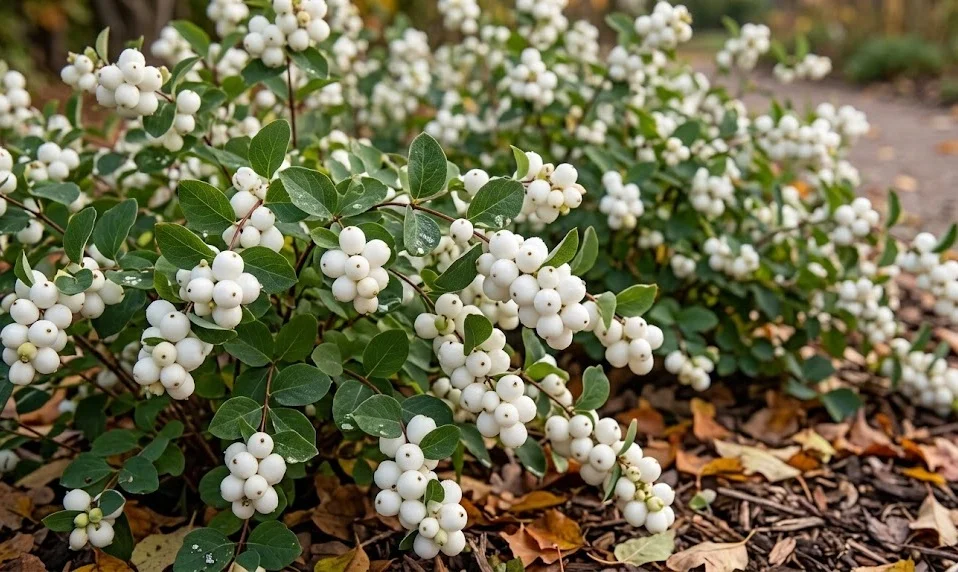

Providing the correct amount of water and nutrients is essential for maintaining the health and decorative appeal of your snowberry. You should start by understanding that while this plant is remarkably drought-tolerant, it performs best when it receives consistent moisture. A balanced approach to hydration ensures that the foliage remains lush and the berries develop to their full, snowy-white potential. Establishing a reliable routine for these tasks will make your gardening experience much more successful and rewarding.
The watering needs of the snowberry change throughout its life and according to the fluctuations of the seasons. You will find that young, newly planted shrubs require much more frequent attention than those that have been in the ground for several years. Once the root system is deep and well-established, the plant can often survive on natural rainfall alone in many temperate climates. However, during particularly dry spells, a little extra help from the gardener can prevent the plant from becoming stressed or losing its leaves early.
Fertilization is the other half of the nutritional equation, providing the building blocks the plant needs for growth and reproduction. You should aim to provide a slow-release source of nutrients that mimics the natural decomposition of organic matter on the forest floor. Over-fertilizing can sometimes be just as harmful as under-feeding, as it may lead to weak growth that is more susceptible to pests. Finding the right balance will encourage a strong structure and a bountiful display of the iconic berries that everyone loves.
A professional approach to these tasks involves observing the plant’s response to the environment and adjusting your care accordingly. You should look for subtle signs of thirst, such as a slight loss of shine on the leaves or a drooping of the stem tips. Similarly, the color and size of the foliage can tell you a lot about the nutrient levels in the soil around the roots. Developing this intuitive connection with your plants is what separates a casual hobbyist from an expert gardener.
Establishing a watering schedule
The first few months after planting are the most critical time for establishing a watering routine that supports the young snowberry. You should check the soil moisture levels every few days, especially if the weather is warm or particularly windy. The goal is to keep the soil consistently moist but never waterlogged, which could suffocate the developing roots. Using your finger to feel an inch or two below the surface is the most reliable way to judge when it is time to water.
More articles on this topic
As the plant matures, you can gradually reduce the frequency of your watering while increasing the amount given each time. You should aim for deep watering sessions that encourage the roots to grow further down into the ground in search of moisture. Shallow, frequent watering often leads to a weak root system that stays near the surface and is more vulnerable to drought. This deep-rooting strategy is what makes the snowberry so resilient once it reaches its full size in the garden.
Environmental factors like the type of soil and the amount of sun the plant receives will also influence your watering schedule. You will find that snowberries planted in sandy soil need more frequent hydration than those growing in moisture-retentive clay. Similarly, a shrub in a sunny spot will lose moisture through its leaves much faster than one located in a cool, shaded corner. Understanding these variables allows you to customize your care to the specific needs of each individual plant in your landscape.
Using a layer of mulch is a professional secret for maintaining a stable moisture level in the soil with less effort. You should maintain a two-inch layer of organic material around the base of the shrub to prevent evaporation and keep the roots cool. This practice significantly reduces the amount of supplemental water the plant needs during the height of the summer. It also helps the water penetrate more evenly into the ground during rain showers, making every drop count for the plant’s health.
Drought tolerance and water stress
One of the great advantages of the snowberry is its natural ability to withstand periods of low water once it is fully established. You should appreciate this resilience, as it makes the shrub an excellent choice for low-maintenance landscapes or xeriscaping projects. The plant has evolved to cope with fluctuating moisture levels in its native habitats across North America. This genetic background gives it a distinct advantage over more delicate ornamental species that might wither during a dry summer.
More articles on this topic
However, even a drought-tolerant plant can reach its limit and begin to show signs of significant water stress. You might notice the leaves turning brown at the edges or falling off prematurely as the plant tries to conserve its internal resources. In extreme cases, the developing berries may shrivel or drop before they reach their full size and characteristic white color. Recognizing these symptoms early allows you to intervene with a deep soaking that can save the plant from permanent damage.
When the snowberry is stressed by drought, it becomes more vulnerable to secondary issues like pest infestations or diseases. You should keep a closer eye on the health of the plant during long periods without rain, even if it seems to be coping well. A weakened plant cannot defend itself as effectively as one that is fully hydrated and growing vigorously. Providing a little extra support during the hardest times is a key part of long-term success with any garden shrub.
Recovering from a period of severe water stress takes time, and you should not expect the plant to bounce back overnight. You should provide consistent, gentle moisture to help the shrub rebuild its energy reserves and start growing again. Avoid the temptation to over-compensate with heavy fertilization immediately after a drought, as this can further stress the root system. Patience and steady care are the best ways to help your snowberry return to its former beauty and health.
Nutrient requirements and fertilization
A healthy snowberry needs a variety of essential nutrients to support its wood, leaves, flowers, and the famous white berries. You should focus on providing a balanced supply of nitrogen, phosphorus, and potassium, which are the primary components of most fertilizers. Nitrogen supports the green, vegetative growth, while phosphorus is crucial for strong root development and the production of flowers. Potassium helps with overall plant health and improves the shrub’s ability to resist diseases and environmental stress.
In many garden soils, the natural fertility is sufficient to support a snowberry without the need for intensive chemical feeding. You should consider having your soil tested to see exactly what nutrients are present and what might be lacking before you start a fertilization program. This scientific approach prevents the wasted effort and potential environmental harm of applying products that the plant does not actually need. Knowledge is the most powerful tool for any gardener looking to improve their plant’s performance.
If your soil is poor or you want to give the plant an extra boost, an annual application of fertilizer in the early spring is usually sufficient. You should apply the product just as the new growth begins to appear, giving the plant the resources it needs for the busy season ahead. Spreading the fertilizer evenly around the drip line of the shrub ensures that the most active part of the root system can access it. Always water the area well after applying any fertilizer to help the nutrients reach the roots and prevent burning.
The role of micronutrients like iron, magnesium, and calcium should not be overlooked in your long-term nutrition strategy for the snowberry. You may occasionally see signs of specific deficiencies, such as yellowing between the veins of the leaves, which can indicate a lack of certain minerals. Using a high-quality, complete fertilizer or adding organic matter can help ensure these minor but vital elements are always available. A diverse and rich soil chemistry leads to a more robust and visually stunning plant.
Organic vs synthetic feeding
Choosing between organic and synthetic fertilizers is a decision that affects both the health of your snowberry and the wider garden environment. You should weigh the benefits of organic options, such as compost and manure, which improve the soil structure while providing nutrients. These materials break down slowly over time, offering a steady and natural supply of food that is less likely to cause a sudden growth spurt. Organic feeding also supports a healthy population of beneficial soil organisms like earthworms and fungi.
Synthetic fertilizers, on the other hand, offer a more concentrated and immediate source of nutrients that can be useful in specific situations. You might choose a synthetic product if you need to quickly correct a severe nutrient deficiency that is threatening the health of the plant. These fertilizers are easy to measure and apply, providing precise control over the amount of each element given to the shrub. However, they do not improve the soil quality and can sometimes lead to a buildup of salts if used excessively over many years.
Many professional gardeners prefer a combined approach, using organic matter as the primary food source and supplementing with synthetics only when necessary. You should prioritize the long-term health of the soil as the best way to support your snowberry for the decades it can live. A garden that relies on a healthy, living soil is much more resilient and requires fewer external inputs to stay beautiful. This sustainable philosophy is becoming increasingly popular as more people recognize the importance of ecological balance in their own backyards.
Whatever method you choose, the key is to observe how your individual snowberry reacts to the feeding program you establish. You should be prepared to adjust the timing or the amount of fertilizer based on the growth rate and the appearance of the foliage. Each garden has its own unique conditions, and what works for one person may not be perfect for another. Trusting your observations and being willing to experiment is part of the fun and challenge of being a skilled gardener.
Timing for optimal nutrient uptake
The timing of your fertilization is just as important as the type of product you choose to use for your snowberry. You should aim to feed the plant when it is most actively growing and able to take up the nutrients from the soil efficiently. For most people, this means a single application in the early spring, just as the buds are starting to swell and turn green. This early boost provides the energy needed for the rapid development of leaves and the first stages of flower production.
Applying fertilizer too late in the summer can actually be detrimental to the health of the shrub as it prepares for winter. You should avoid feeding after mid-summer, as this can encourage a flush of soft, new growth that won’t have time to harden off before the first frost. This tender growth is easily damaged by cold temperatures, which can lead to dieback and entry points for various diseases. Working with the natural rhythm of the plant’s seasonal cycle is the most professional way to manage its nutrition.
During the dormant winter months, the snowberry’s roots are not actively taking up significant amounts of nutrients from the frozen or cold ground. You should save your fertilization efforts for the warmer months when the soil biology is active and the plant is ready to grow. However, you can apply a layer of compost or mulch in the late autumn, which will slowly begin to break down and be ready for the spring. This “pre-feeding” strategy prepares the ground without stimulating unwanted growth during the winter.
Finally, always consider the current weather conditions before you head out to fertilize your garden plants. You should avoid applying dry fertilizers during a drought, as the nutrients need moisture to become available to the roots and can actually cause stress if the ground is too dry. Conversely, heavy rain immediately after application can wash the nutrients away before the plant has a chance to absorb them. Choosing a calm, overcast day with light rain in the forecast is often the ideal time for this important task.