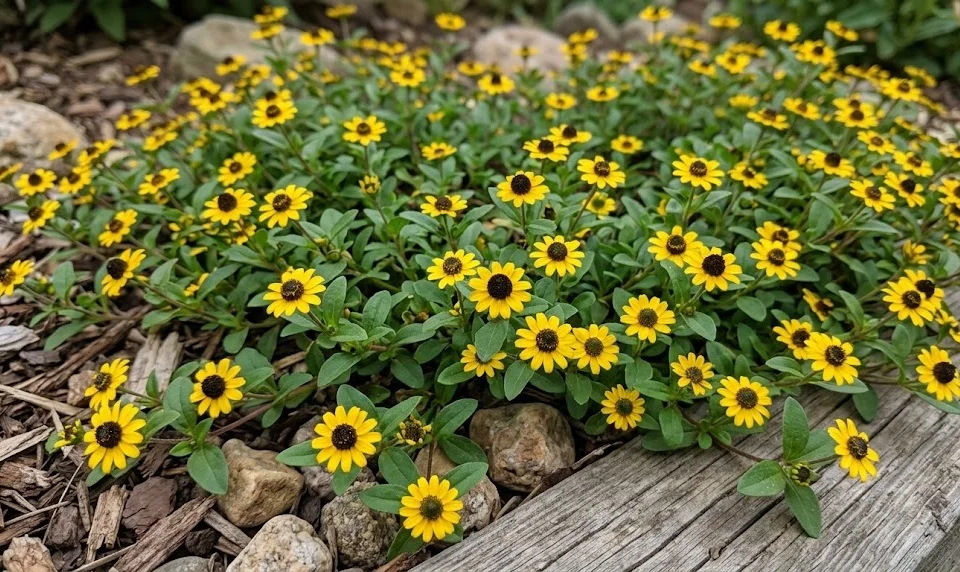

Protecting the health of creeping zinnia involves a proactive approach to identifying and managing potential biological threats. Although this species is remarkably robust and generally less prone to issues than larger zinnia varieties, it is not entirely immune to the challenges of the garden. Pests and diseases can occasionally take advantage of environmental stresses or poor cultural practices to gain a foothold. By understanding the common problems and how to address them professionally, you can maintain a flawless display of golden blooms throughout the season.
Managing fungal and mildew issues
One of the most common challenges for any low-growing plant is the development of fungal issues, particularly in humid climates. Powdery mildew can sometimes appear as a white, flour-like coating on the leaves if the air circulation is restricted. While it rarely kills the plant, it can certainly detract from its beauty and reduce its overall vigor if left unchecked. To prevent this, always ensure that your plants are spaced correctly and avoid overhead watering late in the day.
If you spot the early signs of mildew, you can treat it with a simple mixture of baking soda and water or a professional horticultural oil. These treatments work by changing the pH on the leaf surface or creating a barrier that prevents the fungus from spreading. It is important to treat both the upper and lower surfaces of the foliage for the most effective control. In severe cases, removing the most heavily affected stems can help stop the issue from moving to healthy neighboring plants.
Leaf spot is another fungal concern that can manifest as small, dark circles on the foliage during periods of prolonged wet weather. This is often caused by spores splashing up from the soil onto the lower leaves of the plant. Maintaining a layer of clean mulch can act as a physical barrier and significantly reduce the occurrence of this particular problem. If leaf spot becomes a recurring issue in your garden, you might consider rotating your plantings to a different location next year.
Root rot is perhaps the most serious threat, though it is entirely preventable through proper soil management and watering. It occurs when the roots are deprived of oxygen due to saturated soil, allowing opportunistic pathogens to attack the weakened tissues. Symptoms include sudden wilting that does not improve after watering and a general darkening of the stem base. The best defense is ensuring excellent drainage from day one and never allowing the plants to sit in standing water.
More articles on this topic
Identifying common insect pests
While creeping zinnia is not a favorite food source for many bugs, some opportunistic insects might still make an appearance. Aphids are the most likely visitors, often clustering on the tender new growth or the undersides of the leaves. These small, soft-bodied insects suck the sap from the plant, which can lead to distorted leaves and a sticky residue known as honeydew. A strong stream of water from a garden hose is often enough to dislodge them and keep their numbers under control.
Spider mites can occasionally become a problem during hot, dry spells when the plants are under a bit of moisture stress. You might notice fine webbing between the leaves or a stippled, yellowish appearance on the foliage itself. Increasing the humidity around the plants or misting the foliage can help discourage these tiny pests from settling in. For more persistent infestations, an application of insecticidal soap can be very effective without harming the plant or the environment.
Thrips are another potential pest that can cause the flowers to look distorted or prevent the buds from opening properly. These tiny, slender insects are often difficult to see with the naked eye, but their damage is quite distinctive. They tend to hide inside the flower heads, making them a bit more challenging to reach with contact sprays. Maintaining a healthy garden ecosystem with plenty of beneficial insects like ladybugs and lacewings is the best long-term strategy for pest management.
Slugs and snails might occasionally take a nibble on the foliage, especially during damp nights or in particularly shady corners of the garden. They leave behind telltale slimy trails and jagged holes in the leaves that can look quite unsightly. You can manage them using non-toxic baits or by creating barriers of diatomaceous earth around your most prized plants. Keeping the area around the base of the plants clear of excess debris will also remove the hiding spots these pests love.
More articles on this topic
Preventative strategies and cultural care
The best way to deal with pests and diseases is to ensure they never get a chance to start in the first place. Healthy, vigorously growing plants are naturally much more resistant to attacks and can recover more quickly if an issue does arise. This begins with selecting the right location and providing the optimal balance of light, water, and nutrients. When a plant is in its ideal environment, its natural defense mechanisms are at their strongest and most effective.
Cleanliness in the garden is a professional habit that pays huge dividends in disease prevention. Always remove any dead or decaying plant material from around the base of your zinnias, as this can harbor pests and fungal spores. Use clean, sterilized tools when pruning or taking cuttings to avoid introducing pathogens from one plant to another. If you have had a disease issue in a specific container, be sure to wash it thoroughly with a mild bleach solution before reusing it.
Regularly inspecting your garden is the only way to catch problems while they are still small and manageable. Spend a few minutes each week looking closely at the foliage and flowers for any unusual spots, holes, or discolorations. This “scouting” allows you to intervene early with a simple solution rather than having to use more drastic measures later on. It also helps you become more familiar with the normal appearance of your plants so you can spot changes instantly.
Crop rotation is another important concept, even in the ornamental garden, to prevent the buildup of soil-borne pathogens. If you grow creeping zinnia in the same spot for many years, certain issues might become more prevalent over time. Changing the location of your annuals every couple of seasons helps break the life cycles of specific pests and diseases. This simple management technique keeps the soil “fresh” and reduces the need for chemical interventions in the future.
Natural and organic control methods
In a modern, professional garden, the use of harsh chemical pesticides is increasingly seen as a last resort. There are many effective natural alternatives that can manage pests and diseases without harming beneficial pollinators like bees and butterflies. Neem oil is a fantastic multi-purpose tool that acts as both a fungicide and an insecticide for a wide range of common garden problems. It works by disrupting the life cycles of insects and preventing fungal spores from germinating on the leaves.
Biorational products, such as those containing Bacillus thuringiensis (Bt), can target specific pests while leaving other garden residents unharmed. These are highly sophisticated tools that use naturally occurring bacteria to manage unwanted insect populations in a very precise way. Understanding the specific biology of the pest you are dealing with allows you to choose the most effective and least intrusive solution. This professional approach respects the complex balance of the garden ecosystem while still achieving the desired results.
Encouraging natural predators is one of the most satisfying ways to keep your garden healthy and pest-free. By planting a variety of flowering species, you can attract hoverflies, predatory wasps, and other “good bugs” that will do the work for you. These tiny helpers are much more efficient at finding and eliminating pests than any human-applied spray could ever be. Creating a welcoming habitat for these allies is a hallmark of an advanced and ecologically minded gardener.
Homemade remedies can also be surprisingly effective for minor issues when applied with care and consistency. A simple soap spray made with a small amount of mild dish detergent and water can knock down aphid populations very effectively. However, it is always wise to test any new treatment on a small part of the plant first to ensure it does not cause any adverse reactions. Consistency is the key to success with organic methods, as they often require more frequent application than their synthetic counterparts.
Recovery and long-term plant health
If your creeping zinnias have suffered from a pest or disease event, focusing on their recovery is the next professional step. Once the primary threat has been managed, providing a light feeding with a balanced liquid fertilizer can help stimulate new growth. It is important not to overdo it, as you want the plant to grow strong rather than just fast and weak. Pruning away the most damaged parts can also help the plant redirect its energy toward healthy new stems and flowers.
Monitor the moisture levels closely during the recovery period, as a stressed plant may have a compromised root system or higher water needs. Avoid any further environmental stressors like moving the plant or making drastic changes to its light exposure during this time. Patience is required, as it may take a few weeks for the plant to return to its full, lush glory after a significant setback. With steady care and attention, most creeping zinnias will bounce back and continue their display until the frost.
Evaluate the conditions that led to the problem in the first place to prevent it from happening again in the future. Was the soil too wet, or was the air too stagnant because the plants were crowded too tightly? Making small adjustments based on these observations is how you grow as a gardener and improve your results every year. Every challenge in the garden is an opportunity to learn more about the complex relationship between plants and their environment.
In some cases, if a plant is very heavily diseased and shows no signs of improvement, the most professional choice is to remove it entirely. This prevents the issue from spreading to the rest of your garden and allows you to replace it with a healthy specimen. While it can be difficult to pull out a plant you have cared for, protecting the health of the overall landscape is the priority. Always dispose of diseased material in the trash rather than the compost pile to ensure the pathogens are removed from your property.