
Maintaining a vibrant garden display requires a deep understanding of the specific needs of each plant species chosen for the landscape. Creeping zinnia stands out as a remarkably resilient and rewarding choice for both novice and experienced gardeners due to its prolific blooming nature. This low-growing annual provides a dense carpet of gold and yellow flowers that can brighten up any border or hanging basket throughout the summer. To achieve the best results, one must pay close attention to the environmental factors and maintenance routines that allow this plant to thrive in various conditions.
General characteristics and growth habits
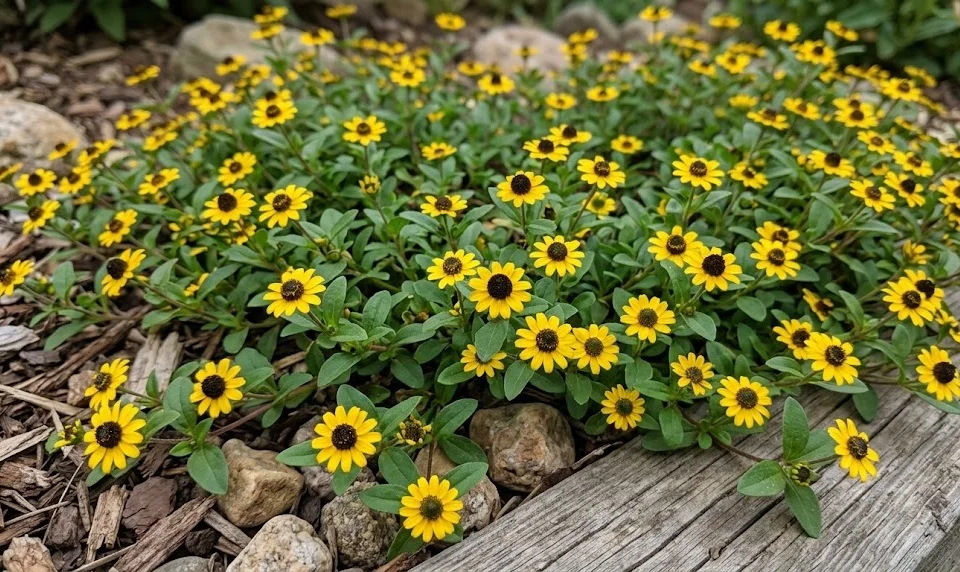
Understanding the growth pattern of this species is essential for planning its placement within your garden design. It typically reaches a height of only a few inches while spreading horizontally to cover a significant amount of ground. The stems are quite flexible and tough, allowing the plant to trail gracefully over the edges of containers or stone walls. You will notice that the foliage remains a deep, lush green, providing a perfect backdrop for the bright daisy-like flowers that appear in abundance.
The blooming period is impressively long, often starting in early summer and continuing until the first hard frost of the autumn season. Unlike some other annuals, these flowers do not require constant attention to keep producing new buds. They possess a self-cleaning quality, which means the old blooms often fall away naturally without much intervention. This characteristic makes them a favorite for low-maintenance landscapes where visual impact is still a high priority for the owner.
The root system is relatively shallow but efficient at anchoring the plant into the upper layers of the soil. This allows it to establish quickly after being moved from a nursery pot into its permanent home in the garden. Because it spreads so effectively, it can serve as an excellent temporary ground cover to suppress weeds in sunny areas. It fills in gaps between larger perennials beautifully, creating a cohesive and well-filled appearance in flower beds.
When you observe the plant closely, you will see that the stems root at the nodes when they come into contact with moist soil. This natural behavior contributes to its ability to form a dense and indestructible mat of vegetation. Such a growth habit is particularly useful for erosion control on small slopes or embankments within a residential property. Gardeners appreciate this vigor, as it ensures that even a few small plants can cover a large area by mid-summer.
More articles on this topic
Soil requirements and preparation
The foundation of health for any ornamental plant lies in the quality and structure of the medium in which it grows. For creeping zinnia, a well-draining soil is absolutely non-negotiable to prevent root issues. While it can tolerate a variety of soil types, it performs best in a sandy or loamy mix that allows excess water to escape quickly. Heavy clay soils should be amended with organic matter or grit to improve their overall porosity and aeration.
Nutrient levels in the soil should be moderate to high to support the intensive flowering process that takes place over several months. Incorporating well-rotted compost into the planting site before introducing the flowers provides a slow-release source of essential elements. A slightly acidic to neutral pH is generally preferred, though the plant is somewhat flexible in this regard. Testing your soil beforehand can help you determine if any specific adjustments are necessary for optimal growth.
Proper preparation involves loosening the soil to a depth of at least six inches to allow for easy root penetration. Breaking up large clumps and removing stones or debris creates a smooth environment for the delicate young roots. You may also consider adding a light layer of mulch after planting to help regulate soil temperature during the heat of the day. This mulch should be kept away from the direct base of the stems to avoid any potential moisture-related rot.
Compacted soil is a major enemy of this plant, as it restricts the movement of air and water to the root zone. If you are planting in containers, always use a high-quality potting mix rather than garden soil, which tends to settle and become too dense. Adding perlite or vermiculite to the container mix can further enhance drainage and prevent the roots from becoming waterlogged. Taking these steps early on will save a lot of trouble and ensure the plants remain vigorous throughout the growing season.
More articles on this topic
Choosing the right location
The success of your gardening efforts depends heavily on matching the plant with an environment that mimics its natural preferences. Creeping zinnia is a sun-loving species that demands a spot where it can bask in direct light for most of the day. Without sufficient sunlight, the plant will become leggy and produce far fewer flowers than intended. Therefore, selecting a south-facing location or an open area without significant shade from trees is vital.
Air circulation is another critical factor to consider when deciding where to place these golden-bloomed beauties. While they grow low to the ground, they still benefit from a gentle breeze that helps keep the foliage dry. Areas that are too enclosed or stagnant can trap humidity, which might lead to minor fungal issues during particularly wet summers. Spacing the plants appropriately allows for enough movement of air between the individual stems and leaves.
When planning your landscape, think about how the trailing nature of the plant can be utilized to its full potential. It looks magnificent when allowed to spill over the sides of elevated planters or traditional window boxes. On flat ground, it creates a seamless transition between taller flowers and the edges of pathways or lawns. Its versatility makes it suitable for rock gardens, where it can navigate the crevices between stones with ease.
Consider the surrounding plants as well, ensuring that they will not eventually overshadow the creeping zinnia as they grow. Since it is a low-growing annual, it can easily be crowded out by more aggressive or taller species if not given enough space. Pairing it with upright plants like salvia or lavender creates a beautiful contrast in both form and color. This thoughtful arrangement ensures that every plant in the bed has the resources it needs to shine.
Routine maintenance and monitoring
Even though this plant is often described as low-maintenance, regular check-ups will keep it looking its absolute best. Monitoring the moisture levels in the soil is perhaps the most frequent task you will need to perform. During the peak of summer heat, containers might need attention every day, while ground-planted specimens are more resilient. Looking for signs of wilting in the late afternoon can tell you a lot about the plant’s current water status.
While deadheading is not strictly required, removing the occasional faded flower can encourage even more vigorous blooming. This process prevents the plant from putting too much energy into seed production, focusing it instead on new vegetative growth. You can simply pinch off the old heads with your fingers or use a small pair of clean garden snips. This small effort keeps the appearance of the garden tidy and professional throughout the entire season.
Keep an eye out for any encroaching weeds that might try to compete with your plants for nutrients and space. Although the dense mat formed by the zinnia helps suppress most weeds, some persistent varieties might still break through. Pulling these by hand when they are small prevents them from establishing deep roots that could disturb the flowers. Maintaining a clean area around the plants also helps in spotting any potential pest issues before they become serious.
As the season progresses, you might find that certain areas of the plant are growing more vigorously than others. You can easily redirect growth by gently moving the stems or trimming back any parts that have strayed too far. This light pruning helps maintain the desired shape and ensures that the plant remains within its designated borders. It is a simple way to keep your garden looking intentionally designed rather than overgrown and messy.
Companion planting strategies
Choosing the right neighbors for your creeping zinnia can enhance the visual impact and health of your entire garden. Plants with silvery foliage, such as dusty miller or artemisia, provide a stunning color contrast to the bright yellow flowers. The cool tones of the leaves make the warm gold of the blossoms pop, creating a very professional aesthetic. Additionally, these plants often share similar light and water requirements, making them easy to manage together.
Upright purple or blue flowers are another classic pairing that never fails to impress the eye. Species like lobelia or dwarf ageratum create a beautiful color harmony when planted alongside the golden carpets. The difference in height between the creeping zinnia and these more vertical plants adds layers and depth to your garden beds. This multi-level approach makes a small space feel much larger and more complex than it actually is.
In containers, you can create a “thriller, filler, and spiller” arrangement to maximize the visual interest. Use a tall, dramatic plant as the thriller in the center, and let the creeping zinnia serve as the spiller around the edges. This classic design technique ensures that the container looks full and lush from every possible angle. The zinnia’s ability to trail long distances makes it one of the best choices for this specific role in pot gardening.
Avoid planting it near very thirsty perennials that might require frequent soaking of the soil. Since the zinnia prefers to dry out slightly between waterings, being constantly wet from a neighbor’s needs can lead to decline. It is always best to group plants by their cultural needs to simplify your irrigation routine and ensure everyone is happy. By being strategic with your placements, you create a balanced ecosystem where every species can truly flourish.
Seasonal adjustments in care
The needs of creeping zinnia change as the weather transitions from the mild spring to the intense heat of mid-summer. In the early part of the season, the focus should be on establishing a strong root system through consistent moisture. Once the plant is well-established, it becomes much more tolerant of dry spells and high temperatures. However, you should still be prepared to provide supplemental water during prolonged periods of drought to maintain the bloom quality.
As autumn approaches, you will notice a slight change in the growth rate and flowering intensity of the plants. The cooler nights often bring out more vibrant colors in the petals, but the overall speed of expansion may slow down. This is a natural part of the plant’s life cycle as an annual, and there is no need for alarm. Continue to monitor for moisture, as the drying winds of fall can sometimes be just as taxing as the summer sun.
If you experience an unusually wet or humid period, pay extra attention to the health of the foliage. Excess moisture on the leaves for extended periods can sometimes invite unwanted issues, even in hardy species. You might need to thin out some of the densest areas to improve air flow during these specific weather windows. Adapting your care routine to the actual weather conditions rather than a strict schedule is the mark of a skilled gardener.
Eventually, the first frost will signal the end of the creeping zinnia’s journey for the year. The foliage will typically turn dark and wither once the temperatures drop significantly below freezing. At this point, the plants can be removed and added to your compost pile if they are free of disease. Cleaning the beds in late fall prepares the ground for the following spring and keeps the garden looking neat through the winter months.
Troubleshooting common growth issues
Even with the best care, you might occasionally encounter some challenges that require a professional touch. If you notice that the leaves are turning yellow but the veins remain green, this could indicate a nutrient deficiency. A balanced liquid fertilizer can usually correct this issue quite quickly if applied according to the package directions. It is important not to over-fertilize, as this can lead to excessive leaf growth at the expense of the beautiful flowers.
Stunted growth or a lack of flowers usually points toward an issue with light or soil drainage. If the plants are in a shaded area, moving them to a sunnier spot is the only real solution for long-term health. If the soil stays wet for days after rain, you might need to lift the plants and improve the drainage before replanting. Identifying the root cause of the problem is the first step toward getting your garden back on track.
Occasionally, you might see some browning on the edges of the leaves, which is often a sign of scorch from the sun or wind. This usually happens if the plant was recently moved from a protected area to a very exposed one without acclimation. Ensuring the plant stays hydrated during these transitions will help it adjust more successfully to its new environment. Most plants will recover and produce new, healthy growth once they have settled into their permanent location.
If the plant looks generally thin or sparse, it might simply need a bit more organic matter in the soil. Adding a top-dressing of compost around the base of the plants can provide a gentle boost of energy. This improves the soil structure over time and encourages a more robust and dense growth habit. With a little bit of observation and timely intervention, you can overcome almost any obstacle that comes your way.