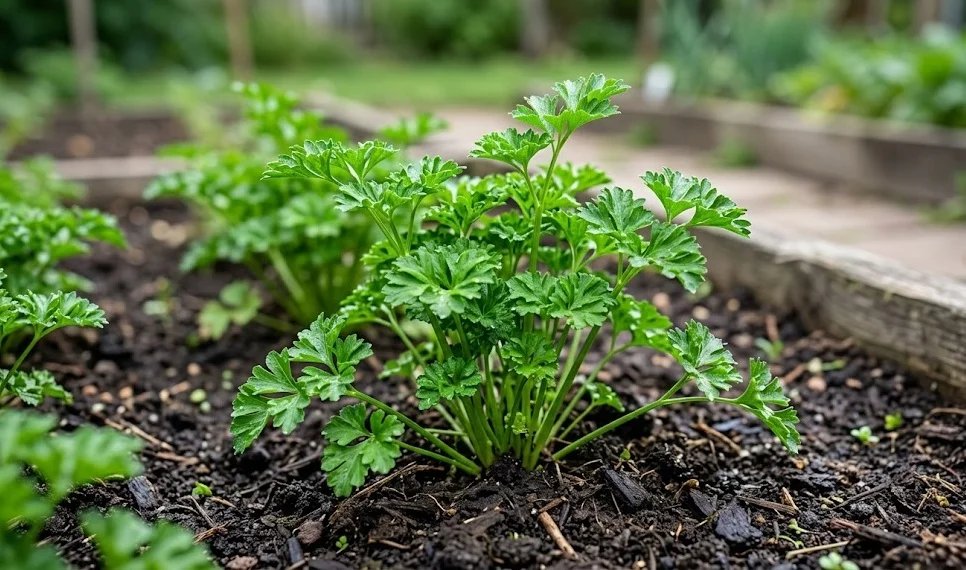

Pruning and cutting back parsley are essential maintenance tasks that go beyond simple harvesting for the kitchen. These practices serve to rejuvenate the plant, encourage new growth, and maintain its structural integrity over the growing season. A professional approach involves knowing when to be aggressive and when to use a lighter touch. By mastering these techniques, you ensure that your parsley remains productive and healthy for as long as possible.
The most basic form of pruning is the regular removal of the oldest, outermost leaves. These leaves are the first to yellow or become tough, and removing them allows the plant’s energy to flow into the tender new growth at the center. Always use sharp, clean scissors or garden snips to make clean cuts at the base of the stem. Pulling or tearing the stems can damage the delicate crown and create entry points for disease.
Consistent harvesting is, in itself, a form of continuous pruning that keeps the plant in a juvenile, productive state. If parsley is left untouched, it can become overly dense, which restricts air circulation and increases the risk of fungal infections. By regularly “thinning” the foliage through harvesting, you keep the plant open and vibrant. A professional rule of thumb is to never remove more than one-third of the total leaf mass at a single time.
Deadheading, or the removal of spent flower stalks, is a specialized type of pruning for second-year plants. If you want to keep the leaves flavorful for a bit longer, you must snip off the flower heads as soon as they appear. Once the plant begins to produce seeds, its chemical composition changes, often making the foliage taste bitter or woody. While you can’t stop the biennial cycle forever, you can certainly delay the inevitable through strategic cutting.
Strategic cutting for maximum yield
To maximize the yield of your parsley, you should aim for a “cut and come again” strategy. This involves harvesting the larger stems while leaving the smaller, emerging leaves in the center of the rosette untouched. This ensures that the plant always has a “solar panel” of foliage to continue photosynthesis and recover quickly. Professionals often have a rotation of several plants, harvesting from each one in turn to allow for adequate rest.
More articles on this topic
If a parsley plant has become overgrown or leggy, a more significant “reset” cut may be necessary. You can cut the entire plant back to about two or three inches above the soil level, leaving the central growing point intact. While this may look drastic, a healthy plant will usually respond with a flush of fresh, tender growth within a week or two. This is an excellent way to revitalize a plant that has been stressed by heat or neglect.
The timing of your pruning can also affect how the plant responds to environmental stressors. Avoid heavy cutting during the hottest part of the day, as the open wounds can cause the plant to lose moisture rapidly. Early morning is the best time for pruning, as the plant is fully hydrated and has the entire day to begin the healing process. This professional timing reduces the overall stress on the herb and leads to faster recovery.
During the autumn, you can use pruning to prepare the plant for the coming cold. Removing any damaged or diseased foliage before the winter sets in reduces the number of places where pests can hide. This “clean-up” pruning also makes it easier to apply mulch or covers around the base of the plant. A tidy plant is generally a more resilient plant when it comes to surviving the off-season.
Tools and hygiene for professional pruning
The quality of your tools is a reflection of your professional approach to gardening. Dull blades can crush the stems of the parsley, leading to ragged wounds that heal slowly and attract pests. Invest in a high-quality pair of micro-tip snips or floral shears that are specifically designed for delicate herb work. Keeping these tools sharp and well-oiled makes the task easier for you and better for the plant.
More articles on this topic
Hygiene is just as important as sharpness when it comes to pruning tools. Diseases like bacterial leaf spot can easily be carried from one plant to another on the blades of your scissors. Get into the habit of wiping your tools with a bit of rubbing alcohol or a mild bleach solution between plants. This simple step is one of the most effective ways to prevent the spread of pathogens in a professional garden.
After a major pruning session, it is often beneficial to provide the plant with a bit of extra support. A light watering with a diluted liquid fertilizer can give the parsley the nutrients it needs to produce new foliage. Monitor the plant closely for a few days to ensure it is recovering well and showing signs of new growth. Professional care involves this follow-up attention to ensure the success of your interventions.
Finally, remember that the goal of pruning is to work with the plant’s natural growth habits. Pay attention to how your specific variety of parsley responds to different levels of cutting. Some types may be more vigorous than others and require more frequent attention to stay in top shape. By observing and adjusting your techniques, you become a more effective and professional caretaker of your herb garden.