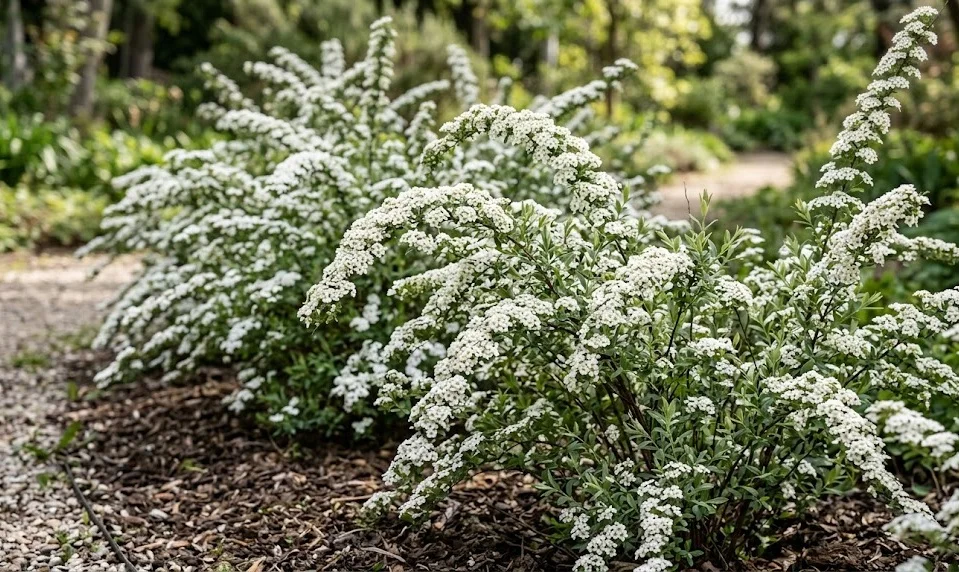

Preparing your garland spirea for the coldest months of the year ensures that it returns with full vigor when spring arrives. While this shrub is generally hardy in most temperate climates, extreme winter weather can still cause significant damage if the plant is left unprotected. The process of overwintering involves both physical protection and strategic adjustments to your maintenance routine in late autumn. Taking these few extra steps will safeguard the structure of the shrub and guarantee a magnificent floral display next season.
Late autumn preparations
As the temperatures begin to drop in late October and November, your focus should shift toward helping the plant enter its dormant state. The first step is to stop all fertilization by late summer to prevent any soft, new growth from forming. This new wood would not have enough time to harden before the first frost and would likely die back during the winter. Allowing the current branches to mature naturally is the best way to ensure they survive the freezing cold.
Cleaning up the area around the base of the shrub is another critical task for successful overwintering. Remove any fallen leaves, spent flowers, or weeds that have accumulated over the growing season. These organic materials can harbor pests and fungal spores that will wait out the winter and attack the plant in the spring. A clean environment reduces the risk of disease outbreaks when the weather warms up again and humidity rises.
While you should reduce the frequency of watering as the plant goes dormant, it is important to ensure the soil is not bone-dry. If the autumn has been particularly dry, give the shrub one last deep watering before the ground completely freezes. Moist soil holds more heat than dry soil, providing a small but important buffer for the roots against extreme temperature drops. This “deep drink” helps the plant maintain its internal hydration throughout the long winter months.
Check the overall structural integrity of the branches and remove any that are already dead or badly damaged. These weakened parts are the most likely to break under the weight of heavy snow or during strong winter winds. By thinning out the most vulnerable sections now, you are preventing larger, healthy branches from being torn away later. A tidy, well-structured shrub is much better equipped to handle the physical stresses of the winter season.
More articles on this topic
Protecting the root system
The roots are the most vital part of the garland spirea, and protecting them from the “freeze-thaw” cycle is a top priority. Applying a fresh layer of mulch in late autumn acts as an insulating blanket that regulates the soil temperature. Aim for a thickness of about three to four inches using materials like shredded bark, wood chips, or even dry leaves. This layer prevents the ground from shifting and cracking, which can expose the delicate feeder roots to the cold air.
Make sure to spread the mulch out to the “drip line,” which is the area directly beneath the outermost tips of the branches. This ensures that the entire root zone is covered and protected from the elements. However, it is very important to leave a small gap between the mulch and the main stems of the shrub. If the mulch is piled up against the bark, it can trap moisture and cause rot or provide a hiding place for rodents that chew on the wood.
In areas where winters are exceptionally harsh or the soil is very sandy, you might consider an even thicker layer of protection. Some gardeners use pine boughs or straw to add extra insulation around the base of particularly young or sensitive plants. These materials are easy to remove in the spring and provide excellent airflow while still keeping the ground from freezing too deeply. Protecting the roots today means a much faster start for the plant once the spring sun returns.
If your spirea is planted in a container, the roots are much more exposed to the cold than those in the ground. You may need to wrap the pot in burlap or bubble wrap to provide enough insulation to prevent the entire root ball from freezing solid. Alternatively, moving the container to a more sheltered spot, such as against a south-facing wall or inside an unheated garage, can make a huge difference. Never bring a dormant shrub into a heated house, as the warmth will confuse the plant and break its dormancy prematurely.
More articles on this topic
Cold weather care for young shrubs
Younger garland spireas that have been in the ground for less than two years require a bit more attention during their first few winters. Their root systems are not yet deep enough to reach the more stable temperatures found further underground. For these plants, extra insulation and perhaps a temporary windbreak can be the difference between survival and death. Using a simple burlap screen can protect them from the drying effects of cold winter winds that strip moisture from the stems.
Heavy snow can be both a blessing and a curse for a young, flexible shrub. While a layer of snow acts as a natural insulator, the weight can also bend or snap the thin, young branches of a spirea. After a heavy snowfall, you should gently brush the snow off the branches using a soft broom or your hands. Be careful not to shake the plant too violently, as frozen wood is brittle and can crack much more easily than when it is warm.
Rabbits and other small mammals often look for food sources during the winter when their usual options are scarce. They can cause significant damage by chewing on the bark or clipping off the ends of the young branches. Installing a small cylinder of hardware cloth or chicken wire around the base of the shrub can prevent this type of wildlife damage. Make sure the wire is buried an inch or two into the soil so that burrowing animals cannot get underneath it.
Monitoring the weather throughout the winter will help you know when a particularly dangerous cold snap is approaching. If an extreme drop in temperature is predicted, you can temporarily cover the entire shrub with a frost blanket or an old sheet. Always remember to remove these covers once the extreme cold has passed and the sun comes out. Keeping a young plant covered for too long can lead to heat buildup or moisture problems that are just as bad as the cold.
Early spring recovery
As the days begin to lengthen and the ground starts to thaw, it is time to slowly transition the plant out of its winter protection. Remove any specialized covers or windbreaks as soon as the threat of extreme sub-zero temperatures has passed. You should also start pulling back the thick layer of mulch from the base of the plant to allow the soil to warm up. This signal tells the roots that it is time to wake up and start pushing nutrients toward the buds.
Inspect the branches for any “winter kill,” which appears as dry, brittle, or shriveled wood that does not show any green when scratched. These dead tips should be pruned back to healthy wood to make room for the new growth that will soon emerge. Don’t be too discouraged if you see a little bit of damage, as the garland spirea is a vigorous grower and will quickly fill in the gaps. Early spring is the best time for this light tidying before the leaves begin to unfurl.
Once the soil has thawed and is no longer waterlogged, you can give the shrub its first light watering of the new season. This helps settle the earth around the roots and ensures there is enough moisture for the rapid growth that is about to occur. Be careful not to overwater at this stage, as the plant is not yet fully active and cannot process large amounts of liquid. A gentle start is always better than a sudden flood of water and nutrients.
Finally, keep a close eye on the weather forecast for any “late frosts” that can occur after the plant has started to bud. A sudden freeze after the sap has started flowing can damage the delicate flower buds and ruin your spring display. If a late frost is predicted, covering the shrub overnight can save the blooms and protect the new foliage. Once the danger of frost has completely passed, your garland spirea is ready to shine in all its glory.