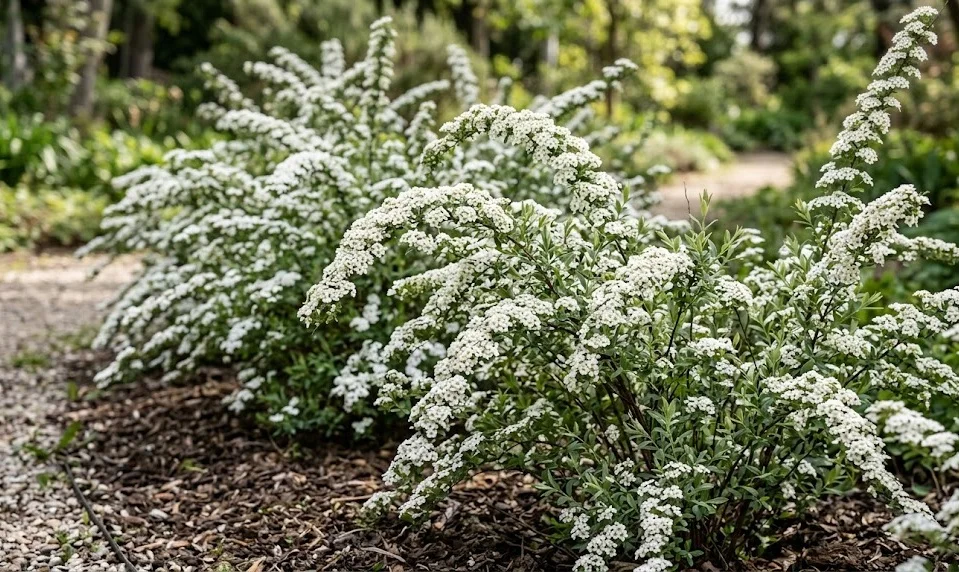

Mastering the art of pruning is essential for maintaining the graceful, arching form that makes the garland spirea so popular. Without regular intervention, these shrubs can become a tangled mess of old and new wood, leading to a decline in flower production and overall health. Pruning is not just about controlling size; it is a vital rejuvenation process that keeps the plant young and vigorous. By following a professional pruning schedule, you can ensure your spirea remains a highlight of your garden for decades.
Post-flowering pruning
The most important rule for pruning the garland spirea is to do so immediately after the flowers have faded in late spring. Because this shrub blooms on “old wood”—the branches that grew during the previous year—pruning too late in the season will remove the buds for next year. By trimming the plant right after the bloom, you give it the entire summer to grow new stems that will carry the flowers for the following spring. This timing is the key to a consistent and reliable floral display every single year.
Start by removing the spent flower clusters to tidy up the appearance of the shrub and prevent the plant from wasting energy on seed production. You can use this opportunity to lightly shape the outer canopy, maintaining the natural cascading habit of the branches. Avoid “shearing” the plant into a tight ball or square, as this ruins the elegant form and results in a thick layer of dead twigs in the center. Instead, aim for a natural look that emphasizes the plant’s inherent grace.
During this session, look for any branches that are crossing or rubbing against each other and remove the weaker of the two. Rubbing branches can create wounds in the bark that serve as entry points for diseases and pests. Thinning out some of the crowded areas also improves light penetration and air circulation throughout the interior of the bush. A more open structure is a healthier structure, as it allows the entire plant to photosynthesize more efficiently.
If you have a young plant, focus on “structural pruning” to encourage the development of strong main stems. Removing any low-hanging or spindly branches near the ground will help the shrub establish a more upright and defined presence. For established plants, the goal is simply to maintain the existing beauty and prevent the shrub from becoming overgrown. This yearly maintenance is a quick task that pays off significantly when the next blooming season arrives.
More articles on this topic
Rejuvenation pruning
Every few years, your garland spirea may benefit from a more drastic “rejuvenation pruning” to replace old, woody stems with fresh, productive growth. Over time, the oldest branches at the base of the plant become less flexible and produce fewer flowers, making the shrub look “leggy.” The professional technique for this is known as the “one-third rule,” where you remove the oldest third of the stems all the way to the ground. This encourages new shoots to emerge from the base, keeping the plant perpetually youthful.
Identify the thickest, most gnarled stems that have the least amount of new growth and cut them as close to the soil level as possible. This might seem aggressive, but the garland spirea is very resilient and responds to this treatment with a burst of new energy. By removing these old paths for nutrients, the plant redirects its resources into creating vigorous new arching branches. Repeating this process over three years results in a completely renewed shrub without ever losing its presence in the garden.
If a shrub has been neglected for many years and is completely overgrown, you can perform a “renewal cut” where the entire plant is cut back to about six inches from the ground. This should be done in late winter or very early spring before the new growth starts. While you will miss the flowers for one season, the plant will grow back rapidly and much more healthily than before. This “reset button” is a great way to save a plant that would otherwise be removed.
After any major pruning, it is a good idea to provide the plant with a bit of extra water and perhaps a light feeding to support the new growth. The shrub will need extra energy to rebuild its canopy and recover from the stress of the heavy cuts. Monitor the new shoots as they emerge and remove any that are growing in an undesirable direction. This proactive management ensures that the “new” version of your spirea is even better than the original.
More articles on this topic
Maintaining shape and health
General maintenance pruning can be done at any time of the year to remove dead, diseased, or broken wood. If you see a branch that has been snapped by the wind or damaged by a mower, cut it back to healthy tissue immediately. Waiting for the “right time” to remove dead wood only invites pests and decay into the healthy parts of the plant. A quick, clean cut is always the best solution for maintaining the structural health of the shrub.
When making your cuts, always prune back to a healthy bud or a lateral branch rather than leaving a “stub.” Stubs are unable to heal properly and will eventually die back, creating a site for fungal infections to take hold. Aim for a 45-degree angle about a quarter-inch above a bud that is facing outward from the center of the plant. This encourages the new branch to grow away from the middle, helping to keep the center of the bush open and airy.
Pay attention to the “suckers” or very thin, straight shoots that sometimes pop up from the base of the plant. These often grow very quickly but do not have the beautiful arching form of the rest of the shrub. Removing these early keeps the plant’s energy focused on its more attractive branches and prevents the base from becoming too crowded. It’s much easier to clip these off when they are small than to deal with them once they’ve turned into woody stems.
Finally, always use sharp, high-quality tools that are appropriate for the thickness of the wood you are cutting. Dull blades will crush the stems rather than cutting them, which slows down the healing process and stresses the plant. Clean your tools after every use to prevent the accidental spread of diseases from one plant to another. Taking pride in your tools is a key part of being a professional gardener and ensuring the health of your garland spirea.