
The amount of light a garland spirea receives is the single most important factor in determining its flowering potential and overall shape. This species is famous for its cascading white blossoms, but achieving that signature look requires a specific balance of sun exposure. While the plant is adaptable to various conditions, understanding its light preferences will help you choose the perfect spot in your garden. Providing the right environment ensures a healthy shrub that remains dense and vibrant throughout the entire growing season.
Importance of full sun
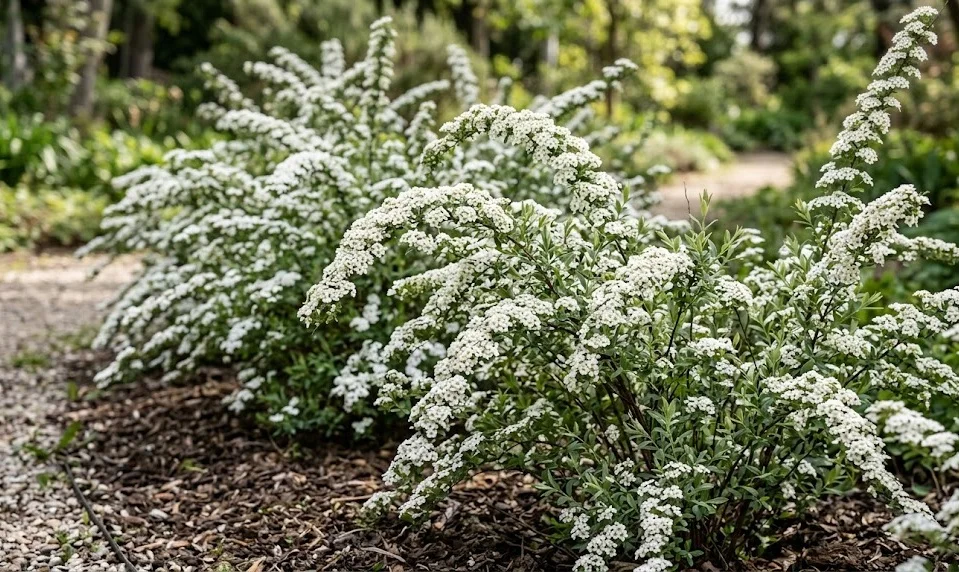
To see the garland spirea at its absolute best, it should be planted in a location that receives full sun for the majority of the day. In gardening terms, this means at least six to eight hours of direct sunlight, ideally during the morning and early afternoon. Sun-drenched plants produce the highest volume of flowers, creating a stunning “waterfall” effect of white during the spring. Sunlight also helps the plant develop a strong, compact structure that can support the weight of its own blossoms.
When grown in full sun, the foliage tends to be much denser, providing a better backdrop for the delicate flowers. The leaves will also be more resilient to pests and diseases, as the sun helps dry off dew and rain quickly. This natural drying process is the best way to prevent the development of powdery mildew and other fungal issues. A sun-loving plant like the spirea uses all that energy to build a robust root system and store nutrients for the winter.
The intensity of the sun also plays a role in the coloration of the leaves as the seasons change. While the garland spirea is primarily known for its flowers, the foliage can take on beautiful hues in the autumn if given enough light. Plants kept in the shade often skip this colorful phase and simply drop their leaves once the cold weather arrives. Maximizing sun exposure ensures that you get the most aesthetic value out of the shrub for as many months as possible.
If you are planting a row of spireas to create a hedge, make sure they are not shading each other out too much. Proper spacing allows sunlight to reach the lower branches, preventing the bottom of the hedge from becoming sparse and “leggy.” A well-lit hedge remains green and full from the ground all the way to the top. This uniformity is what gives a professional landscape its polished and well-maintained appearance.
More articles on this topic
Partial shade tolerance
While full sun is ideal, the garland spirea is remarkably tolerant of partial shade, making it a versatile choice for many gardens. If your only available space is a spot that gets about four hours of sun, the shrub will likely still survive and grow. However, you should expect the growth habit to be a bit more open and the flowering to be less intense than a plant in full sun. It is a good option for edges of woodlands or gardens with large, mature trees that cast moving shadows.
In areas with extremely hot summer climates, a bit of afternoon shade can actually be beneficial for the plant. The intense, scorching sun of a July afternoon can sometimes stress the foliage and cause it to lose its vibrant green color. Providing some relief during the hottest part of the day can help the plant conserve moisture and stay looking fresh. This balance of morning sun and afternoon shade is often the secret to success in warmer regions.
One thing to watch out for in shadier spots is the increased risk of the plant becoming thin and reaching toward the light. If the light source is only coming from one direction, the shrub may grow unevenly and lose its graceful, symmetrical form. You might need to do a bit more selective pruning to keep the shape balanced and prevent it from leaning too heavily. Regular monitoring will help you see if the plant is struggling to get the energy it needs.
Even in partial shade, the spirea will still provide a lovely green texture and a modest spring bloom. It is a much better choice for these conditions than many other flowering shrubs that would refuse to bloom entirely. Just be sure that the area isn’t “deep shade,” where the ground stays constantly dark and damp. As long as there is some filtered or direct light reaching the leaves, your spirea will continue to be a valuable part of your landscape.
More articles on this topic
Sun exposure and blooming
The relationship between light and flowering is a direct one for the garland spirea. The plant begins forming its flower buds during the previous growing season, and the amount of energy it collects through its leaves determines how many buds are created. More sunlight results in more photosynthesis, which translates into a more spectacular floral display the following year. If your shrub is healthy but not blooming well, a lack of light is the most common reason.
Light also influences the timing of the bloom, with plants in sunny spots often flowering a week or two earlier than those in the shade. If you have several spireas planted in different parts of your yard, you might notice a staggered blooming schedule. This can actually be a benefit, as it extends the total time you have white flowers in your garden. Understanding these subtle differences allows you to plan your garden’s visual timeline more effectively.
If you find that a mature spirea is no longer blooming as it once did, look around to see if nearby trees have grown and blocked the sun. In many cases, simply thinning out a few overhead branches can “re-light” the shrub and restore its flowering vigor. This is a much easier solution than moving a large, established plant to a new location. Regular maintenance of the surrounding canopy is part of the long-term care for any sun-loving shrub.
Finally, consider the reflective light from nearby walls or fences, which can boost the total light the plant receives. A white fence or a light-colored house can bounce extra rays onto the shrub, even if it is technically in a partially shaded area. This “bonus light” can often make up for a slightly less-than-ideal location. Paying attention to these small environmental details is what separates a professional gardener from a casual hobbyist.