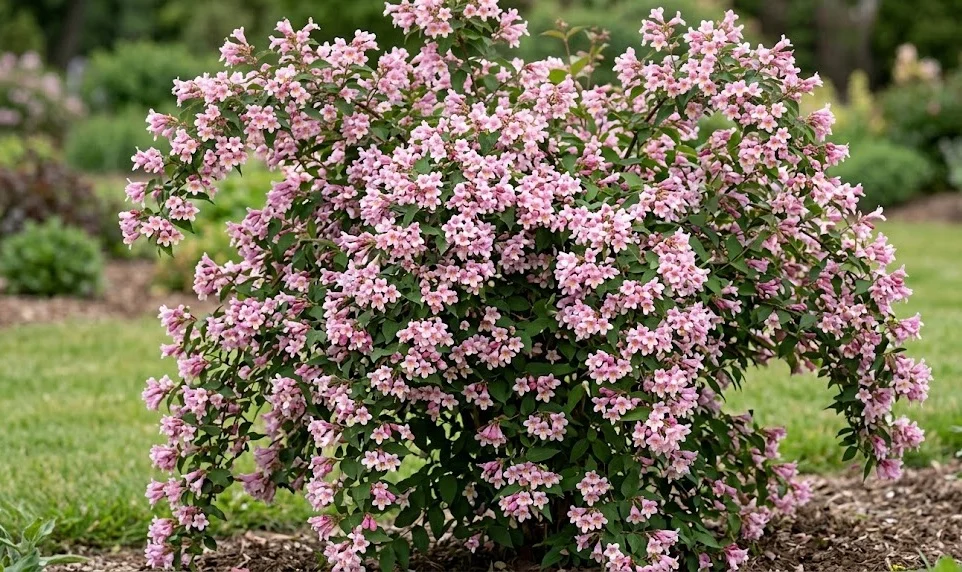

Beauty bush is generally considered a resilient ornamental shrub, but no garden plant is completely free from health problems. Most issues arise when the shrub is stressed by poor drainage, drought, overcrowding, excessive shade, or unsuitable pruning. Healthy plants in well-chosen sites rarely suffer serious damage, while weakened shrubs can become more vulnerable to insects and disease. Good diagnosis begins with observing the whole growing environment, not only the visible symptom on a leaf or stem.
General plant health and prevention
Prevention is the strongest form of plant protection for beauty bush. A shrub growing in full sun or light shade, with adequate spacing and well-drained soil, is far less likely to develop persistent problems. Air movement through the canopy helps leaves dry after rain and reduces conditions favorable to fungal growth. The plant’s natural open shape should be preserved rather than crowded by nearby shrubs.
Water management plays a major role in disease prevention. Drought stress weakens the plant, while saturated soil reduces root function and may lead to decline. Both extremes can produce yellowing leaves, dieback, and poor flowering. Maintaining even moisture without waterlogging is more effective than treating symptoms after stress has already developed.
Sanitation is also useful, especially after storms or disease outbreaks. Dead branches, fallen diseased leaves, and damaged stems should be removed from the planting area. This reduces places where pests and pathogens can persist. Clean tools are important when cutting out suspect material, particularly if several shrubs are being pruned.
Avoid unnecessary chemical treatment when the problem is minor or environmental. Beauty bush often recovers well once stress factors are corrected. Spraying without diagnosis can disrupt beneficial insects and waste effort. A careful inspection of leaves, stems, roots, and site conditions should guide any intervention.
More articles on this topic
Leaf spots and foliar issues
Leaf spots can occur when foliage remains wet for long periods. They may appear as brown, tan, or dark marks on leaves, sometimes with yellowing around the affected tissue. In many cases, mild spotting is cosmetic and does not threaten the shrub. However, repeated severe outbreaks can reduce photosynthesis and weaken the plant over time.
Dense growth increases the likelihood of foliar disease. When air cannot move through the center of the shrub, moisture lingers after rain or overhead watering. Selective thinning after flowering can improve ventilation without removing the plant’s natural form. This cultural control is often more useful than repeated fungicide applications.
Watering technique matters when managing leaf problems. Ground-level irrigation keeps foliage drier than overhead sprinkling. If overhead watering is used, it should be done early in the day so leaves dry quickly. Wet foliage overnight creates a more favorable environment for many fungal organisms.
Affected leaves can be raked and discarded at the end of the season. This is especially helpful if spotting has been heavy. Composting diseased leaves may be acceptable in hot, well-managed compost systems, but disposal is safer in small gardens where compost temperatures are uncertain. Reducing carryover material helps lower disease pressure the following year.
More articles on this topic
Powdery mildew and humidity-related stress
Powdery mildew may appear as a pale, dusty coating on leaves during warm periods with humid nights and dry days. It often affects plants growing in shade or crowded positions. While beauty bush is not usually among the most mildew-prone shrubs, stressed plants can still show symptoms. The disease is more unsightly than fatal in most cases.
Improving light and air circulation is the first step in management. Remove crowded interior stems after flowering and prevent neighboring plants from pressing into the shrub. Better airflow makes the microclimate less favorable for mildew development. A plant with strong vigor can tolerate minor infection more easily.
Fertilizer practices can influence mildew susceptibility. Excessive nitrogen encourages soft, lush growth that may be more vulnerable to foliar disease. Balanced feeding and compost-based soil care produce firmer, more resilient tissue. Avoid pushing rapid late-season growth, especially in humid regions.
If mildew appears regularly, evaluate the site rather than treating each outbreak as isolated. A deeply shaded corner or tightly packed border may never provide ideal conditions. Moving young shrubs or adjusting surrounding vegetation can be a long-term solution. Fungicides should be reserved for serious, repeated cases and used according to local regulations and label instructions.
Aphids, scale insects, and sap-feeding pests
Aphids may gather on tender new shoots, flower buds, or the undersides of leaves. They feed by sucking sap and can cause curling, distortion, or sticky honeydew. Small populations are common in spring and are often controlled by lady beetles, lacewings, hoverfly larvae, and other beneficial insects. Strong plants usually tolerate light aphid feeding without lasting damage.
A firm spray of water can dislodge aphids from shoots when populations are noticeable. This simple method avoids unnecessary insecticide use and protects natural predators. Insecticidal soap may be considered if colonies persist and cause visible damage. Coverage must be thorough, because contact products only work when they reach the insects.
Scale insects are less obvious because they may look like small bumps on stems or leaves. They also feed on sap and can weaken plants if populations become heavy. Honeydew, sooty mold, reduced vigor, or branch dieback may indicate a larger infestation. Close inspection of stems is needed because scale can be overlooked during casual checks.
Managing scale often requires patience. Pruning out heavily infested branches can reduce numbers quickly. Horticultural oil may be used during appropriate seasonal windows, depending on the type of scale and local guidance. Supporting plant health is important because stressed shrubs are more vulnerable to recurring infestations.
Root problems, dieback, and recovery
Root stress is one of the most serious hidden problems in beauty bush. Poor drainage, deep planting, compacted soil, or chronic overwatering can all reduce root oxygen. The top of the plant may respond with yellowing leaves, wilting despite moist soil, weak shoots, or dieback. These symptoms can resemble drought or nutrient deficiency, so soil conditions must be checked carefully.
Stem dieback may follow winter injury, drought, mechanical damage, or root decline. Dead wood should be cut back to healthy tissue or removed at the base. If dieback is widespread, inspect the crown and root zone for deeper problems. Correcting drainage, mulch depth, and watering habits is essential for recovery.
Rejuvenation pruning can help an old or weakened shrub if the root system remains healthy. Removing some older canes after flowering encourages new basal growth. However, severe pruning will not save a plant suffering from saturated soil or major root decay. The cause of stress must be addressed before expecting strong regrowth.
Recovery should be judged over an entire growing season, not a few days. Beauty bush may take time to rebuild roots and produce balanced shoots. Consistent moisture, moderate feeding, and careful pruning give it the best chance. When conditions are corrected early, many stressed shrubs return to reliable flowering and healthy growth.