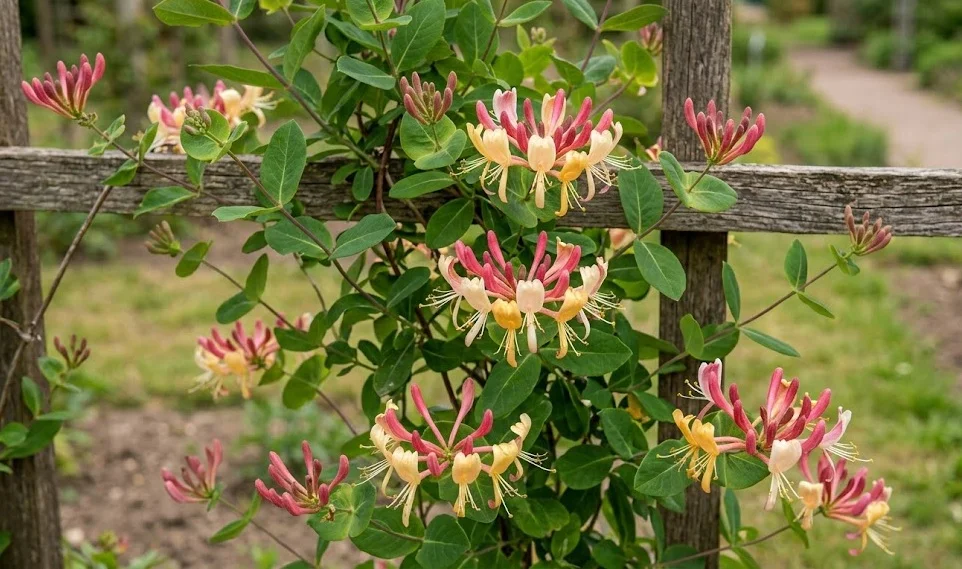

Properly caring for this climbing vine ensures a magnificent display of fragrant blossoms throughout the summer months. It requires a balanced approach to structural support, environmental management, and timely intervention. Gardeners must observe the development of new shoots regularly to prevent tangling and promote healthy expansion. A consistent upkeep routine will keep the plant vigorous and highly resilient against external stressors.
Regular observation allows you to detect early signs of stress before they affect the entire plant structure. You should examine the condition of the leaves weekly to ensure they retain their vibrant green color. Healthy growth relies heavily on keeping the surrounding area free from invasive weeds and competing vegetation. Taking immediate action when growth slows down helps maintain the overall vitality of the climbing vine.
The general maintenance philosophy focuses on replicating the native woodland habitat where this species naturally thrives. This involves ensuring that the root system remains relatively cool while the upper canopy reaches for sunlight. Air circulation within the dense foliage matrix must be maintained to prevent stagnant moisture accumulation. Balancing these various components forms the foundation of successful long-term cultivation for this beautiful woody climber.
Maintaining a clean base around the main stems prevents moisture build-up and minimizes pest habitats. You should remove fallen leaves and organic debris from the ground to discourage harmful fungal pathogens. Applying a fresh layer of organic material every spring helps stabilize soil temperatures and retains uniform moisture levels. This simple practice establishes a clean, supportive environment that allows the vine to focus its energy on flowering.
Managing soil and surroundings
The underlying soil structure determines how effectively the root system can absorb water and essential nutrients. A well-draining loamy soil enriched with organic compost provides the best foundation for rapid root establishment. Heavy clay soils present a significant challenge because they retain excess water and restrict vital root respiration. You can easily amend problematic garden soil by mixing in sharp sand or organic matter before planting.
More articles on this topic
Soil acidity plays an important role in making micronutrients available to the growing climbing plant. The ideal pH range sits comfortably between neutral and slightly acidic for maximum nutrient uptake efficiency. Regular testing of the substrate helps you make accurate adjustments using garden lime or sulfur as needed. Maintaining this chemical equilibrium prevents common issues like chlorosis and stunted leaf development during spring.
Environmental factors such as strong wind exposure can cause physical damage to the delicate young shoots. Placing the vine in a sheltered location ensures that the structural integrity of the climbing stems remains uncompromised. Southern or western exposures can sometimes become too intense during peak summer heat waves. Providing slight afternoon shade can prevent the foliage from scorching and preserve the delicate fragrance of the blooms.
Microclimates within your garden can be effectively utilized to optimize the growth patterns of the climbing vine. Planting near open fences or open trellises allows ambient air to move freely through the dense foliage matrix. This natural ventilation reduces the risk of microclimate humidity spikes that encourage pathogenic fungal spores. Understanding these environmental nuances helps you position the plant in a location where it can truly flourish.
Seasonal routines for growth
Spring marks the beginning of rapid growth and requires careful monitoring of new vine developments. You should guide the emerging shoots along their designated supports to establish an even distribution of foliage. This initial direction prevents the plant from bunching up and forming dense, tangled mats that block light. Early season care sets the tone for the quality of the upcoming summer flower display.
More articles on this topic
Summer care shifts toward maintaining adequate moisture levels and protecting the plant from extreme heat stress. You must monitor the soil moisture regularly to prevent the roots from drying out completely during droughts. Removing spent flowers throughout the blooming period can encourage the production of a second flush of blossoms. Keeping the foliage dry during daytime watering reduces the incidence of common leaf diseases.
Autumn brings a slowing of growth as the plant prepares for its natural winter dormancy period. This is the ideal time to clear away dead wood and secure loose vines to the trellis structure. Decreasing water inputs gradually allows the plant tissues to harden off properly before the first frost arrives. Clean up any fallen leaves around the base to eliminate overwintering sites for various garden pests.
Winter maintenance is relatively minimal but remains crucial for protecting the structural framework of the plant. Heavy snow accumulations should be gently brushed off the vines to prevent physical breakage of the wood. Inspect the support structures to ensure they can withstand strong winter gales without collapsing. This quiet period allows the root system to rest and prepare for another cycle of vigorous spring growth.
Supporting the climbing structures
A sturdy support system is absolutely essential for a climbing vine that can reach significant heights and weights. Fences, trellises, and pergolas offer excellent frameworks for the plant to wrap its stems around naturally. You should install these structures before planting to avoid damaging the delicate root systems later on. Choosing durable materials like treated wood or rust-resistant metal guarantees long-term stability for the expanding canopy.
Training the young stems requires a gentle hand and appropriate tying materials to prevent bark damage. Soft garden twine or plastic-coated wires are ideal for securing the primary structural branches to the framework. You should avoid tying the stems too tightly because they need space to expand as they mature. Regularly checking the ties ensures that they do not constrict the flow of nutrients through the vine.
As the vine grows larger, it will naturally begin to intertwine and support itself to some degree. However, manual guidance remains necessary to ensure the plant covers the designated area evenly and beautifully. Directing horizontal growth encourages more lateral shoots to develop, which ultimately results in a higher density of flowers. This proactive training method transforms a wild climber into a well-behaved and stunning garden feature.
Over time, the weight of the mature wooden stems can put considerable strain on older garden fixtures. Routine structural inspections help you identify weak points in the trellis or fence before a failure occurs. Reinforcing these supports during the dormant season prevents catastrophic damage to both the structure and the plant. A secure framework ensures the safety and beauty of your landscape asset for decades.
Monitoring overall vine health
Regular health inspections are the best defense against long-term decline in established climbing plants. You should examine the undersides of the leaves where many common garden pests tend to hide. Changes in leaf color or texture often provide the first warning signs of an underlying nutritional imbalance. Catching these subtle indicators early allows you to make minor adjustments before serious damage occurs.
Vigor can be assessed by observing the length and strength of the current season’s new growth. Healthy vines produce robust shoots with closely spaced leaf nodes and firm, turgid plant tissues. If the new growth appears spindly or unusually pale, the plant may be suffering from lack of light. Adjusting the surrounding vegetation to allow more sunlight to reach the vine can quickly resolve this issue.
Root health is more difficult to observe directly but can be inferred from the overall performance of the canopy. Well-functioning roots support a lush, dense canopy that resists wilting even during warm summer afternoons. If the soil remains wet but the plant still wilts, root rot might be restricting water uptake. Managing drainage issues promptly protects the subterranean architecture from permanent and fatal damage.
Documenting the annual performance of your plants helps you understand their specific patterns and needs over time. Noting when the first buds appear and when flowering peaks provides valuable insights for future care planning. This professional approach to gardening transforms guesswork into a predictable and highly successful maintenance strategy. Your observations form the basis for customized care that maximizes the ornamental potential of the vine.
Enhancing flower development
The production of fragrant blossoms is the primary reason most gardeners choose to cultivate this beautiful climber. Maximizing the flower display requires a combination of proper nutrition, optimal lighting, and strategic pruning interventions. Potassium-rich organic additives can be applied to the soil in early spring to stimulate flower bud formation. Avoiding high-nitrogen fertilizers during the budding phase prevents excessive leaf growth at the expense of blossoms.
Sunlight exposure directly influences the abundance and color intensity of the spectacular summer flower clusters. Stems that receive direct morning sunlight generally produce a higher concentration of blooms than those in deep shade. You can selectively thin out dense upper foliage to allow sunlight to penetrate deeper into the plant structure. This technique ensures that flowers develop throughout the entire height of the vine rather than just at the top tips.
Deadheading, or the removal of faded flowers, plays an important role in extending the overall blooming season. This practice prevents the plant from investing its energy into seed production too early in the summer. Instead, the vine redirects its resources toward developing new flowering shoots along the lateral branches. The result is a cleaner appearance and a more continuous display of intoxicatingly fragrant blossoms.
Protecting the developing buds from late spring frosts is critical for ensuring a successful summer show. If unseasonably cold temperatures are predicted, covering the lower vine with a light horticultural fleece can provide protection. This simple precaution saves the delicate embryonic flowers from freezing and subsequent drop. Your careful attention during these critical weeks will be richly rewarded with an abundance of blooms.
Long term preservation steps
As the climbing vine matures over several years, the older base stems can become entirely bare and woody. Rejuvenating these older specimens requires a gradual approach to prevent shocking the established root system. You can remove a small percentage of the oldest stems each year to encourage new shoots to emerge from the base. This cyclical replacement keeps the entire plant looking youthful, full, and productive.
Soil exhaustion can occur around long-lived perennial vines that remain in the same location for many years. Top-dressing the root zone with high-quality compost or well-rotted manure replenishes vital organic matter annually. This practice improves soil structure and reintroduces beneficial microbial life into the immediate growing environment. Keeping the substrate alive and fertile ensures the continuous vigor of the root system.
Replacing worn-out structural ties and supports is another essential aspect of long-term preservation planning. Old ties can become brittle over time or cut into expanding stems if left unmanaged for too long. Inspecting and replacing these materials every few years protects the bark from mechanical wounds and subsequent infections. This detailed care preserves the structural integrity of the main trunk lines as they grow heavier.
An established vine can become a permanent anchor of beauty in your garden design when properly maintained. Sharing cuttings or layering success with fellow gardening enthusiasts preserves the genetic legacy of an exceptionally strong plant. Your dedication to consistent, high-quality care ensures that the vine remains a focal point for generations. Professional preservation practices turn a simple garden plant into a living horticultural masterpiece.