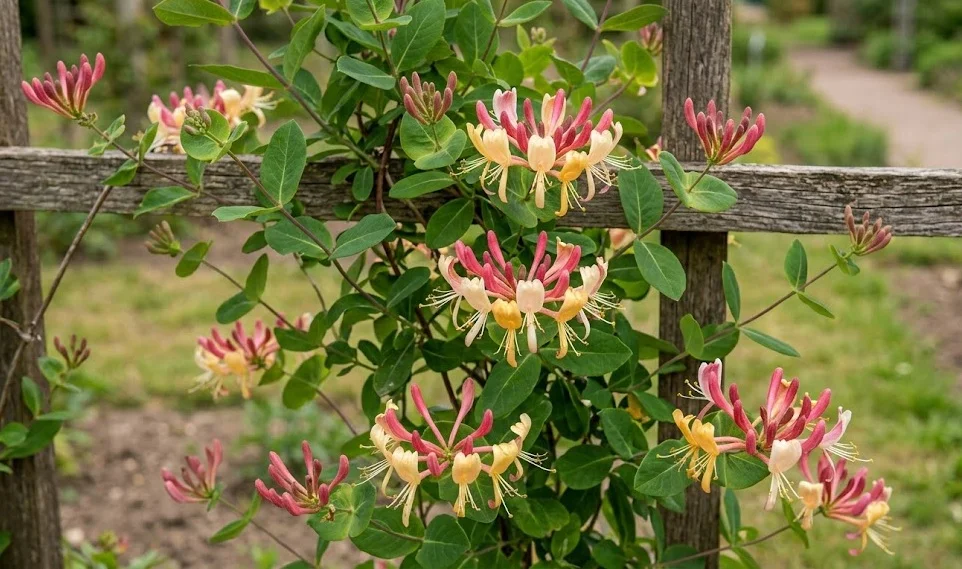

Preparing your climbing vine for the cold winter months is crucial for ensuring its survival and spring vitality. This hardy woody species can withstand significant freezing temperatures when properly acclimatized to the changing seasons. However, extreme winter conditions, drying winds, and shifting soil temperatures can still pose risks to the root system. Taking proactive steps in late autumn protects the structural framework and sets the stage for rapid spring growth.
The winterization process focuses heavily on protecting the subterranean root architecture and conserving internal moisture levels. Cold winter winds can desiccate the exposed woody stems, causing dieback if the plant cannot draw water from frozen ground. Gardeners must understand how to help the vine transition smoothly from active growth into deep winter dormancy. A few simple tasks completed before the ground freezes will safeguard your valuable horticultural investment.
As daylight shortens and temperatures drop, the plant naturally ceases vegetative growth and begins moving nutrients downward. This physiological shift hardens the cellular walls of the wood, making them resistant to frost expansion damage. Your primary goal during this phase is to support this natural transition without introducing disruptive management practices. Avoid any interventions that might accidentally stimulate late-season growth or expose vulnerable tissues to freezing air.
Understanding your local climate zone helps you customize the level of winter protection required for your specific plants. Vines grown in exposed, windy locations or in large containers need more attention than those planted in sheltered garden beds. By tailoring your approach to the specific microclimate, you guarantee the best possible outcome for the winter season. Your careful preparation ensures that the vine emerges from its winter rest healthy, strong, and ready to bloom.
Preparing for cold weather
The preparation process begins in late summer by halting all fertilizer applications containing high levels of nitrogen. This intentional omission prevents the vine from producing soft, succulent shoots that have no time to mature before winter. These tender tips are highly susceptible to frost damage and can serve as entry points for disease. Allowing the existing wood to ripen and harden naturally is the first essential step in winter preparation.
More articles on this topic
Clean up the area surrounding the base of the vine as autumn progresses and leaves begin to drop. Remove all fallen foliage and organic debris to eliminate potential overwintering sites for fungal spores and insect pests. Destroying infected plant material prevents the reemergence of common diseases like powdery mildew when spring arrives. Maintaining a clean perimeter reduces biological pressure and keeps the immediate environment hygienic throughout the winter.
Hydration remains incredibly important right up until the moment the ground freezes solid for the winter season. Give the vine a deep, thorough watering in late autumn if natural rainfall proves to be insufficient. Moist soil retains heat significantly better than bone-dry soil, providing a thermal buffer for the root system. This final deep watering ensures that the plant tissues are fully hydrated before entering winter dormancy.
Inspect the climbing structure and the ties holding the main stems to the trellis framework before winter storms arrive. Strong winter winds can put immense physical pressure on heavy, mature vines and their supporting structures. Replace any frayed or weak ties with fresh, durable materials that can withstand sub-zero temperatures and high winds. Securing loose branches prevents them from whipping around and suffering mechanical bark damage during winter gales.
Protecting roots with mulch
Insulating the root zone is arguably the most effective way to protect your climbing vine from winter temperature fluctuations. Extreme cycles of freezing and thawing can cause the soil to heave, physically lifting the roots out of the ground. This exposure to freezing air can quickly dehydrate and kill the delicate subterranean structures. A thick layer of mulch acts as a protective blanket, maintaining stable soil temperatures throughout the winter.
More articles on this topic
Apply a layer of organic mulch roughly three to four inches deep over the entire root zone of the plant. Excellent choices for winter mulching include shredded bark, wood chips, pine needles, or well-rotted leaf mold. Extend the mulching area outward to match the full spread of the canopy above to cover all roots. This widespread coverage ensures that the entire root architecture benefits from the thermal insulation provided by the material.
When applying the mulch, it is critically important to leave a small space around the main woody stems. Avoid piling the material directly against the bark, as this can trap moisture and encourage fungal rot. A clear gap of two to three inches allows air to circulate around the base of the plant trunk. This simple technique prevents bark suffocation while still delivering maximum thermal protection to the surrounding soil profile.
As winter progresses, check the mulch layer periodically to ensure it has not been displaced by wind or animals. Replenish the material if it becomes thin or unevenly distributed across the root zone during heavy storms. In early spring, you can gradually pull the mulch away to allow the sun to warm the soil. This careful management of the root environment supports continuous health and a smooth transition between seasons.
Shielding vines from wind
Drying winter winds represent a significant threat to the exposed upper canopy of climbing woody vines. When the ground is frozen, the roots cannot absorb water to replace moisture lost through wind evaporation. This imbalance leads to winter desiccation, commonly known as wind scorch, which causes stems to die back. Shielding the vines from the prevailing winter winds is especially important for young or newly established plants.
If your vine is planted in an exceptionally exposed location, consider constructing a temporary windbreak for the winter. You can drive wooden stakes into the ground around the plant and attach a layer of breathable burlap. This barrier breaks the force of the freezing wind without trapping stagnant moisture or completely blocking fresh air. Avoid using solid plastic sheets, which can create a greenhouse effect on sunny days and break dormancy prematurely.
For younger specimens, wrapping the main structural stems loosely with horticultural fleece offers excellent localized protection from frost. Secure the fleece with soft twine, ensuring it is tight enough to stay put but loose enough not to compress buds. This protective layer moderates temperature extremes and shields the delicate bark from sudden, intense winter sunlight. Removing the wrap in early spring prevents heat buildup and allows natural growth to resume safely.
Vines grown against south-facing brick walls can sometimes experience rapid temperature swings during bright winter days. The bricks absorb heat from the sun and warm the plant, only for temperatures to plummet instantly at sunset. This rapid fluctuation can crack the bark and damage the internal vascular tissues of the vine. Providing slight shade or using burlap covers can help stabilize these localized microclimatic shifts effectively.
Early spring recovery steps
As winter fades and the ground begins to thaw, the vine will gradually awaken from its deep seasonal dormancy. This transitional period requires careful management to ensure the plant recovers quickly and begins vigorous spring growth. Start by conducting a thorough inspection of the entire vine to assess any winter damage. Look for split bark, broken branches, or stems that have dried out completely over the winter.
Use sharp, sterilized pruning shears to remove any dead, damaged, or diseased wood back to healthy tissue. You can identify live wood by gently scraping the bark to check for a vibrant green layer underneath. Removing winter-killed tips prevents opportunistic fungal pathogens from colonizing the dead tissue and spreading downward. This initial cleanup focuses the plant’s emerging energy entirely on producing healthy new shoots.
Gradually pull back the thick winter mulch layer from the immediate base of the plant as temperatures stabilize. Allowing the direct sunlight to hit the soil surface warms the root zone and stimulates subterranean activity. You can incorporate a balanced, organic slow-release fertilizer into the surrounding soil at this time to support growth. This initial nutrient boost fuels the rapid expansion of leaves and the development of future flower buds.
Keep a close eye on the weather forecast during the early spring weeks for sudden, unexpected late frosts. Newly emerging green shoots and tender leaf buds are highly vulnerable to freezing temperatures after dormancy breaks. If a severe frost is predicted, cover the lower sections of the vine temporarily with a light cloth. Your proactive care during this critical transition guarantees a successful start to another spectacular growing season.