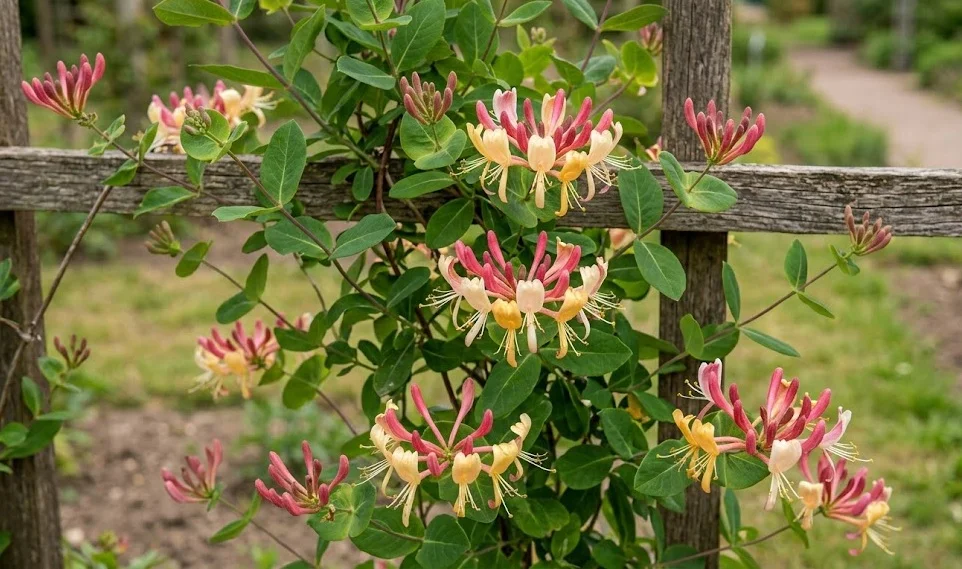

Pruning is a vital horticultural practice that controls the size, maintains the health, and stimulates the flowering of this climber. Without regular cutting back, the vine can quickly transform into a tangled, unmanageable mass of unproductive woody stems. Overgrown specimens often produce leaves and flowers only at the very top, leaving the base bare and visually unappealing. Developing proper pruning techniques ensures a balanced distribution of vibrant foliage and fragrant blossoms across the entire structure.
The primary objectives of pruning are to remove dead wood, improve air circulation, and encourage the growth of fresh flowering shoots. This species produces its flowers on the current season’s new growth, meaning strategic cutting directly influences bloom abundance. Understanding where and when to make your cuts prevents the accidental removal of future flower buds. A systematic approach to pruning keeps the plant youthful, vigorous, and perfectly suited to its designated garden space.
Always invest in high-quality, sharp pruning tools to ensure clean cuts that heal quickly without tearing the delicate plant bark. Hand pruners are ideal for smaller stems, while loppers provide the necessary leverage for thicker, mature woody branches. Sterilizing your tools with rubbing alcohol between plants prevents the accidental transmission of vascular diseases throughout your garden. Professional tool maintenance is the foundation of safe and effective plant structural management.
Pruning should never be viewed as a chore, but rather as an ongoing artistic collaboration with the natural growth habits of the vine. By guiding the structural form, you enhance the architectural beauty of your landscape while supporting the biological needs of the plant. Regular, disciplined interventions prevent the need for drastic, shocking cutbacks that can set the plant back for seasons. Your careful cuts shape a stunning living feature that brings structure and fragrance to the garden.
Timing the annual pruning
The timing of your pruning activities is absolutely critical to avoid disrupting the natural flowering cycle of this beautiful climber. The absolute best time for general maintenance pruning is in the late winter or very early spring when the plant is dormant. Pruning during this period, before the sap begins to flow and buds swell, minimizes stress and prevents excessive sap bleeding. It also allows you to see the structural framework of the vine clearly without the distraction of dense foliage.
More articles on this topic
If you want to perform light shaping or control aggressive growth, you can also prune immediately after the main flowering flush ends in mid-summer. Cutting back the spent flowering shoots encourages the development of lateral branches that may produce a secondary bloom later in the season. This summer tidying prevents the plant from expending valuable energy on producing unwanted seeds and heavy seed pods. Avoid pruning late in the autumn, as this stimulates tender new growth that will easily freeze during winter.
For older, neglected vines that require complete renovation, the late winter dormancy period remains the only appropriate time for drastic action. Hard pruning when the plant is active can shock the root system and severely deplete the vine’s stored energy reserves. By waiting for the deepest part of the winter rest, you ensure the plant has maximum resilience to recover. Timing your intervention correctly aligns your gardening goals perfectly with the natural rhythm of the plant’s life cycle.
Establish a consistent annual schedule for your pruning routine to prevent the vine from escaping its boundaries and becoming unmanageable. Consistency allows you to make minor, gentle corrections each year rather than major, disruptive cuts every few seasons. This disciplined approach maintains a predictable growth pattern and guarantees a reliable, abundant flower display year after year. Your dedication to proper timing is rewarded with a healthy, beautifully proportioned climbing asset in your landscape.
Structural cutting techniques used
Begin your pruning session by applying the standard horticultural rule of removing the three Ds: dead, damaged, and diseased wood. Trace these problematic stems back to their origin or to a healthy, outward-facing bud before making a clean, angled cut. Angling the cut at roughly forty-five degrees allows rainwater to shed off the wound surface quickly, reducing the risk of fungal rot. This initial cleanup immediately improves the hygienic status and visual clarity of the entire climbing vine framework.
More articles on this topic
Next, focus on thinning out the interior of the canopy to eliminate crossing or rubbing branches that cause mechanical bark wounds. Selectively remove the weaker of two intersecting stems to direct the plant’s energy into the stronger, more optimally positioned branch. This thinning process opens up the dense foliage matrix, allowing sunlight and fresh air to penetrate deep into the center. Enhanced air circulation is a powerful natural preventative measure against common leaf diseases like powdery mildew.
When cutting back individual stems to encourage lateral branching, always make your cut about one-quarter inch above a healthy leaf bud node. Avoid leaving long, empty wood stubs above the node, as these stubs will naturally die back and invite opportunistic pathogens. Conversely, cutting too close to the bud can damage the delicate embryonic tissues and prevent them from growing successfully. Precise placement of your cuts ensures rapid healing and the clean emergence of vigorous new flowering shoots.
To maintain a full and lush appearance from the ground up, train and prune some of the primary stems horizontally along the lower support framework. Horizontal alignment disrupts apical dominance, encouraging the vine to produce numerous vertical lateral shoots along the entire length of the branch. Each of these new lateral shoots will eventually terminate in a beautiful cluster of sweet-scented flowers. This advanced structural technique transforms a leggy climber into a magnificent, solid wall of living color and fragrance.
Rejuvenating older overgrown vines
Old, neglected climbing vines often become a chaotic bird’s nest of tangled, dead wood that produces very few flowers at ground level. Rejuvenating these ancient specimens requires a bold but careful approach known as renovation pruning to restore youth and vigor. You can choose to undertake this process gradually over three years to minimize shock to the well-established root system. This phased approach ensures the plant maintains some foliage and energy production throughout the restoration period.
In the first year of a gradual renovation, select one-third of the oldest, thickest stems and cut them down completely to within a few inches of the ground. This drastic removal triggers the awakening of dormant buds hidden deep within the basal wood, stimulating vibrant new shoots to emerge. Leave the remaining two-thirds of the canopy untouched to support the root system and provide a partial flower display. This balanced strategy initiates renewal without completely sacrificing the aesthetic presence of the vine in your garden.
During the second and third years, repeat the process by removing half of the remaining old stems each winter season. At the same time, carefully select and train the strongest of the newly emerged basal shoots to replace the old framework. Remove any weak or excessive sucker growth to ensure the chosen replacement stems receive optimal light and nutrients. By the end of the three-year cycle, the entire old canopy will be completely replaced with youthful, highly productive wood.
If you choose to perform a total hard renovation all at once, cut every single stem back to roughly one foot above the ground in late winter. While this method is shocking, an established, healthy root system will respond with an explosion of vigorous new growth in the spring. Provide ample water and a balanced organic fertilizer to support the vine as it rebuilds its entire skeletal structure. Hard renovation proves the incredible resilience of this species and breathes new life into a tired garden classic.
Post-pruning care and wound recovery
The care you provide immediately after a major pruning session is essential for preventing structural disease infections. You should inspect all large cuts to ensure they are smooth, clean, and completely free from ragged bark edges. Clean wounds allow the plant to form a natural protective callus layer over the exposed wood much faster. Avoid applying artificial wound paints or sealants, as these products can trap moisture and encourage internal fungal decay.
Provide the pruned vine with a generous application of water to support cellular recovery and ease physiological stress. A deep soaking helps the root system deliver vital moisture to the remaining buds as they prepare to burst open. You can also apply a thin layer of organic compost around the root zone to replenish soil fertility. This gentle nutrient boost fuels the rapid development of healthy, vigorous new shoots from the cutting sites.
Monitor the newly emerging growth closely during the spring weeks to ensure it develops along the desired path. Gently guide the fresh, flexible shoots onto the support trellis before they become rigid or begin to tangle. This early training establishes an organized structural framework that maximizes future light exposure and air movement through the vine. Proactive guidance saves time later and ensures a beautifully balanced, uniform canopy display.
Proper post-pruning management completes the cycle of structural care and guarantees the long-term success of the plant. Every cut you make represents a deliberate choice to shape the health and beauty of your landscape asset. By combining precise cutting techniques with supportive aftercare, you unlock the full genetic potential of this remarkable climber. Your professional dedication ensures a resilient vine that rewards your efforts with unmatched fragrance and color.