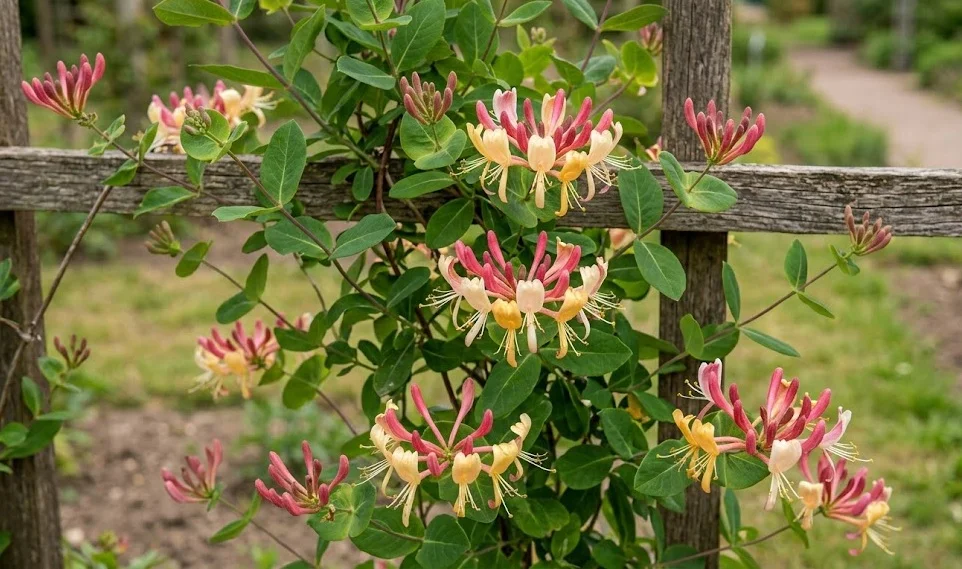

Maintaining a proper balance of hydration and nutrition is fundamental to the long-term health of this vigorous climber. Without adequate water, the vine cannot transport essential elements from the soil up to its expanding canopy. Conversely, excessive moisture around the root zone can lead to oxygen deprivation and dangerous fungal diseases. Developing an efficient routine for watering and feeding ensures a continuous display of lush foliage and fragrant blossoms.
The root system requires a consistently moist environment that mimics the damp floor of a natural woodland ecosystem. However, consistency does not mean keeping the soil constantly saturated or creating puddles around the base. You must learn to judge the moisture content of the soil by checking the top few inches regularly. This practical approach prevents both drought stress and waterlogging, keeping the plant in peak condition.
Young, newly planted vines require far more frequent watering than established specimens with deep root networks. During the first growing season, the soil must never be allowed to dry out completely for extended periods. As the root system expands deeper into the ground, the plant becomes significantly more resilient against temporary dry spells. Understanding this developmental shift helps you adjust your management practices as the vine matures over time.
Environmental factors such as ambient temperature, wind speed, and humidity levels heavily influence the plant’s daily water consumption. Hot summer days with strong breezes accelerate transpiration rates, requiring prompt adjustments to your irrigation schedule. Observing the physical appearance of the leaves provides immediate feedback regarding the current hydration status of the plant. A proactive approach to monitoring these variables ensures that your vine never suffers from unnecessary moisture deficits.
Watering schedules through seasons
Springtime watering should be adjusted based on natural rainfall patterns and the emergence of fresh new growth. As the winter dormancy ends and leaves begin to unfold, the demand for water increases steadily and predictably. If spring rains are insufficient, you should supplement the soil with deep watering sessions once a week. This early hydration supports cellular expansion and prepares the plant for its heavy summer blooming cycle.
More articles on this topic
Summer demands the highest level of vigilance regarding irrigation due to intense heat and prolonged sunshine exposure. During peak summer heat waves, watering may be required multiple times per week depending on soil type. It is best to water early in the morning to minimize evaporation losses and allow foliage to dry. Deep soaking encourages the roots to grow downward into cooler, more stable layers of the soil profile.
Autumn signals a natural reduction in water requirements as the daylight shortens and growth slows down significantly. You should gradually decrease the frequency of your irrigation sessions to help the plant transition into dormancy. Allowing the soil to dry out slightly between waterings encourages the woody stems to harden off properly. This physiological preparation is essential for surviving the freezing temperatures of the upcoming winter season.
Winter watering is generally unnecessary in regions that experience regular snowfall and freezing ground conditions. However, if the winter is exceptionally dry and the ground is not frozen, occasional watering can be beneficial. Evergreen or semi-evergreen varieties still lose small amounts of moisture through their leaves during sunny winter days. Providing a light watering during a warm spell prevents winter desiccation and supports subterranean root survival.
Nutritional needs of soil
The nutritional profile of your garden soil directly determines the structural strength and flowering capacity of the vine. This climbing species requires a comprehensive balance of primary macronutrients alongside essential trace minerals to thrive. Nitrogen promotes the development of lush, vibrant green foliage and strong vegetative structural shoots. Phosphorus plays a critical role in supporting robust root systems and stimulating early flower bud initiation.
More articles on this topic
Potassium is equally important because it regulates internal water movement and enhances overall disease resistance within tissues. Magnesium and iron are necessary micronutrients that prevent common leaf yellowing associated with chlorosis symptoms. A lack of these essential elements often results in weak, spindly growth and a disappointing flower display. Regular soil assessments help you identify specific nutrient deficits before they negatively impact the plant.
Organic matter is the key to maintaining a living, fertile soil ecosystem that continuously feeds your plants. Incorporating well-rotted compost or leaf mold improves the soil’s cation exchange capacity, allowing it to hold nutrients better. Microscopic soil organisms break down this organic material slowly, releasing a steady stream of plant-available nutrients. This natural recycling process creates a sustainable growing environment that reduces the need for synthetic chemical interventions.
Soil texture also influences how nutrients are retained and delivered to the hungry root system of the vine. Sandy soils drain quickly but tend to leach valuable minerals away before the plant can absorb them. Heavy clay soils hold onto nutrients tightly but can restrict root access due to poor physical aeration. Amending both soil types with organic matter creates a balanced texture that optimizes nutrient availability and absorption.
Selecting appropriate fertilizer types
Choosing the right fertilizer requires an understanding of the specific goals you want to achieve during the growing season. Balanced, slow-release granular fertilizers are excellent for providing a steady supply of nutrients over several months. These products release their chemical components gradually in response to soil temperature and moisture variations. This controlled delivery minimizes the risk of root burn and ensures consistent, measured plant growth.
Liquid fertilizers offer a quick, easily accessible nutrient boost that is ideal for correcting immediate deficiencies. These water-soluble products can be applied directly to the root zone or used as a foliar spray for rapid absorption. Foliar feeding allows the leaves to take in micronutrients almost immediately, providing fast relief from chlorosis. However, liquid options wash through the soil quickly and require more frequent applications to sustain growth.
Organic fertilizers such as bone meal, fish emulsion, and kelp meal offer excellent natural alternatives to chemical products. Bone meal provides a rich source of slow-release phosphorus that is perfect for encouraging abundant flower production. Fish emulsion delivers a gentle dose of nitrogen that stimulates steady, non-aggressive leaf and shoot development. Using organic choices supports long-term soil health while protecting beneficial insects and earthworm populations.
Avoid using fertilizers with excessively high nitrogen ratios once the plant has established its basic structural framework. High nitrogen forces the vine to produce soft, watery vegetative growth that is highly susceptible to pest attacks. This excess nitrogen also suppresses the development of flower buds, leading to a green but blossom-free canopy. Selecting a formula with a higher proportion of phosphorus and potassium yields the best ornamental results.
Application methods and timing
The first fertilizer application of the year should occur in early spring just as new growth begins to emerge. Broadcast granular fertilizer evenly over the entire root zone, extending slightly beyond the drip line of the canopy. Gently scratch the granules into the top inch of soil using a hand rake to prevent surface runoff. Always water the area thoroughly after application to dissolve the nutrients and wash them down to the roots.
A second, lighter feeding can be applied in mid-summer to support the ongoing production of fragrant blossoms. This application should focus on delivering potassium and phosphorus rather than nitrogen to sustain the flowering energy. Avoid applying any fertilizer within two months of the expected first autumn frost date in your region. Late-season feeding stimulates tender new growth that cannot mature in time and will be killed by winter.
Mulching with organic compost in late spring acts as both a moisture barrier and a slow-release feeding system. As earthworms and soil microbes digest the mulch, they carry nutrients downward into the root zone naturally. This passive feeding method mimics the natural nutrient cycle found in woodland edges where these vines flourish. It provides a gentle, continuous supply of sustenance that keeps the plant healthy without causing growth spikes.
Always follow the application rates recommended by the manufacturer to prevent accidental over-fertilization and root damage. Signs of excessive fertilizer include brown, scorched leaf margins and unusually dark, curled foliage. If you suspect over-feeding, flush the soil with large volumes of clean water to leach out excess salts. Precise and careful application guarantees a beautifully balanced vine that rewards you with countless sweet-scented flowers.