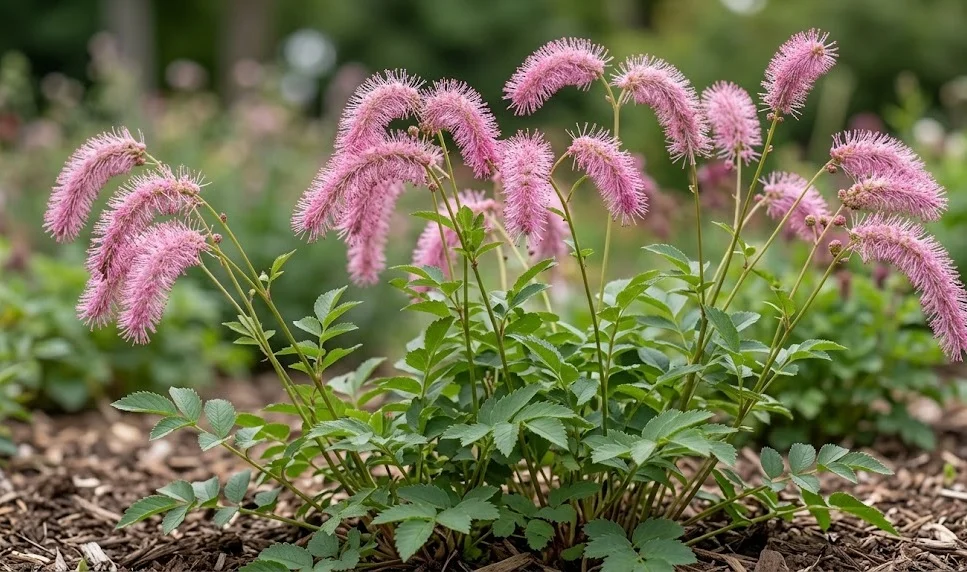

Successfully overwintering this perennial requires an understanding of its natural winter hardiness and dormancy requirements. This species is native to mountainous regions of Japan, meaning it possesses excellent natural adaptation to cold temperatures and frost conditions. As the days shorten and temperatures drop in late autumn, the plant naturally initiates a process of entering complete winter dormancy. Preparing the perennial properly for this rest period ensures it survives the harshest winter weather and emerges with renewed vigor in spring.
Winter dormancy is a vital physiological adaptation that allows the plant to conserve energy and protect its core structures from freezing temperatures. During this phase, all above-ground foliage naturally dies back, leaving only the subterranean rhizomes and root system alive. The plant shifts its metabolic focus entirely to the underground crown, where energy reserves are safely stored until the return of warm spring weather. Respecting and supporting this natural cycle is fundamental to the long-term health and survival of the perennial.
Although the plant is exceptionally cold-hardy, specific winter conditions can still pose threats to its survival if not properly managed. Severe freeze-thaw cycles, where the soil repeatedly freezes and thaws, can cause the ground to heave and expose vulnerable roots to freezing air. Excessive winter moisture combined with poorly draining soil can also lead to crown rot, which is often fatal to dormant plants. Implementing a few simple protective measures can easily mitigate these risks and guarantee a successful overwintering experience.
Understanding your specific climate zone helps tailor the level of winter protection required for the plant in your garden. In regions with reliable snow cover, the snow acts as an excellent natural insulator, protecting the soil from extreme temperature drops. In areas with dry, windy, or snowless winters, manual intervention is much more important to safeguard the dormant root systems. Assessing your local winter microclimate allows you to apply the appropriate amount of protective care required.
Autumn preparation and cleaning strategies
Autumn preparation forms the first critical step in ensuring a safe and successful overwintering period for this perennial. As the foliage begins to yellow and lose its structural integrity in late autumn, gardeners must decide how to handle the remaining biomass. Leaving some of the dried stems intact can provide valuable winter structure and visual interest in a bleak landscape. However, any foliage that shows signs of fungal disease must be removed immediately and disposed of properly to prevent overwintering spores.
More articles on this topic
Cutting back the healthy foliage can be performed in late autumn after the plant has completely finished its seasonal growth cycle. Use clean, sharp pruning shears to cut the stems down to a few inches above the soil surface, taking care not to damage the central crown. This removal of dead material simplifies the application of protective winter mulches and reduces hiding places for overwintering insect pests. If you prefer a more naturalistic look, this cutting process can be delayed until the early spring months.
Applying a thick layer of protective mulch around the base of the plant is one of the most effective ways to safeguard the root zone from extreme cold. Suitable mulching materials include well-rotted compost, shredded leaves, clean straw, or shredded bark chips. The mulch should be applied to a depth of several inches, spreading it evenly over the entire root zone of the perennial. This insulating layer helps maintain a stable soil temperature, preventing the destructive freeze-thaw cycles that cause soil heaving.
Care must be taken when applying winter mulch to ensure it does not inadvertently cause moisture retention problems around the crown. Avoid piling the mulching material directly on top of the central growth crown, as this can trap moisture and cause rot during wet winter spells. Instead, create a protective collar around the plant, leaving the very center of the crown slightly exposed to allow for proper air circulation. This balanced approach provides maximum thermal insulation while minimizing the risk of winter crown decay.
Winter moisture control and crown protection
Managing soil moisture during the winter months is just as important as protecting the plant from freezing ambient temperatures. Because the plant is completely dormant, its water uptake is virtually non-existent, meaning excess moisture can quickly saturate the root zone. In poorly draining soils, this stagnant water combined with cold temperatures creates a high risk for fungal root rot development. Ensuring excellent winter drainage is therefore a primary consideration when preparing the planting site in previous seasons.
More articles on this topic
In regions that experience exceptionally dry or snowless winters, the dormant root system can occasionally suffer from severe dehydration stress. If the ground is not completely frozen and there has been no natural precipitation for several weeks, a light watering during a mild spell can be beneficial. This targeted application of moisture keeps the deep roots alive without oversaturating the cold topsoil layers. Monitor the soil condition closely during these unusual dry winter periods to determine if intervention is truly necessary.
Physical protection from harsh, drying winter winds is another factor that can improve overwintering success, especially for younger specimens. Cold winter winds can sublimate moisture directly from the exposed soil and crown tissues, causing severe desiccation and structural damage. Installing temporary windbreaks or covering the plant area with evergreen boughs can provide effective shelter from these destructive currents. This additional layer of physical protection is highly recommended for exposed, wind-prone garden locations.
Regular inspecting of the overwintering site throughout the winter months allows you to identify and correct any problems before they cause lasting damage. Check to ensure that heavy rains or strong winds have not displaced the protective mulch layer from around the plant roots. Look for any signs of animal disturbance, as small rodents sometimes use winter mulches as nesting sites and may chew on the dormant rhizomes. Maintaining vigilance during the cold season ensures your protective measures remain completely effective until spring.
Spring transition and uncovering procedures
The transition from winter dormancy to active spring growth requires careful timing and a gentle approach to uncovering the plant. As the days begin to lengthen and the soil starts to warm in early spring, monitor the plant area closely for the first signs of life. New shoots will eventually begin to push through the soil surface, indicating that the root system has successfully survived the winter. It is critical not to remove the protective winter mulch too early, as late unexpected frosts can easily damage tender new growth.
Gradually removing the winter mulch allows the young shoots to adapt slowly to the changing ambient temperatures and increasing light levels. Start by pulling back the thickest layers of mulch from the center of the crown to allow the warming sun to reach the soil directly. Leave a thinner layer of material around the perimeter of the plant to continue suppressing early spring weeds and conserving soil moisture. This staggered approach minimizes thermal shock and provides a smooth transition into the active growing season.
Once the danger of hard spring frost has completely passed, the remaining heavy winter mulch can be fully cleared away or integrated into the surrounding soil. Take this opportunity to perform a final cleanup of the area, removing any remaining dead stems or winter debris that accumulated. If you opted not to cut back the foliage in autumn, now is the time to prune away the old, dried material down to the ground level. Cleaning the site thoroughly creates a tidy canvas for the rapid explosion of fresh spring growth.
Applying a fresh layer of light, nutrient-rich organic mulch or well-rotted compost after clearing the winter protection provides an excellent spring boost. This fresh application replenishes nutrients lost over the winter and supports the high-energy vegetative growth phase that is about to begin. Water the plant thoroughly if the spring weather is dry, ensuring the awakening roots have immediate access to vital moisture. With the winter successfully behind it, the perennial is now fully prepared to deliver another season of spectacular garden display.