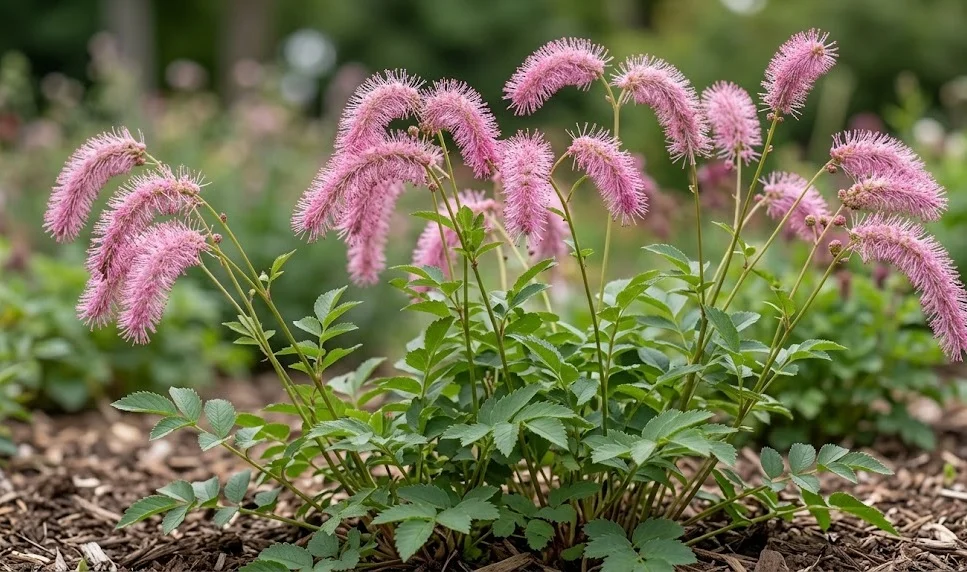

Cultivating Japanese burnet successfully requires an understanding of its unique growth habits and natural habitat preferences. This perennial plant brings an elegant, airy texture to garden borders with its distinctive pink, bottle-brush flowers nodding gracefully in the summer breeze. Experienced gardeners value this species for its ability to bridge the gap between structured plantings and wilder, naturalistic designs. Providing the right fundamental conditions ensures that this plant remains healthy and vibrant throughout its entire life cycle.
The plant thrives best when allowed to establish itself in a permanent position without frequent disruptions to its root system. It exhibits a slow but steady growth rate during its initial year, focusing primarily on establishing a robust underground network. Once fully settled, it develops into a substantial clump that provides reliable visual interest from late spring until the first hard frosts of autumn. Understanding these growth phases allows horticulturists to plan their garden layouts with long-term progression in mind.
Maintaining the aesthetic appeal of this perennial involves regular observation and minimal yet timely intervention. Although it is relatively low-maintenance compared to more delicate garden flora, it responds exceptionally well to attentive cultivation practices. Keeping the surrounding area free from aggressive weeds during the early stages of growth prevents competition for essential resources. As the foliage thickens, the plant naturally suppresses most competing weeds, reducing the need for constant maintenance.
Incorporating this plant into a broader landscape scheme requires consideration of its ultimate size and architectural form. The arching stems can reach significant heights, making it an ideal candidate for the middle or back of a mixed perennial border. Its delicate texture contrasts beautifully with broad-leaved companions, creating a dynamic visual interplay in the garden. By understanding these basic principles, any gardener can successfully integrate this stunning perennial into their green spaces.
Soil composition and root zone management
The foundation of healthy growth for this perennial lies within the physical and chemical composition of the soil. It strongly prefers deep, fertile loams that retain consistent moisture without becoming waterlogged or oxygen-deprived during heavy rains. Soil that is rich in organic matter mimics the natural meadow environments where these plants originally evolved and thrived. Improving heavy clay or overly sandy soils with well-rotted compost or leaf mold before planting creates the optimal subterranean environment.
More articles on this topic
Soil pH plays a crucial role in nutrient availability and overall plant vigor over several growing seasons. This species exhibits a strong preference for neutral to slightly acidic soil conditions, though it tolerates a reasonably wide range. Extremely alkaline soils can restrict the uptake of essential micronutrients, leading to chlorosis and diminished flowering capacity. Regular testing of the soil profile helps identify any necessary amendments required to maintain the ideal chemical balance.
The root architecture of this perennial consists of thick, fibrous rhizomes that store energy for seasonal growth and survival. These rhizomes require adequate space to expand horizontally without encountering compacted soil barriers or aggressive root competition from nearby trees. Cultivating the soil deeply before introducing the plant encourages downward root penetration, which increases drought tolerance in later years. A healthy root system ensures that the top-growth remains upright and resilient against strong summer winds.
Managing the soil environment also involves protecting the surface layer from extreme temperature fluctuations and moisture loss. Applying a thick layer of organic mulch around the base of the plant helps maintain a stable subterranean microclimate. This practice not only conserves vital moisture but also gradually enriches the soil structure as the material decomposes. Care should be taken to keep the mulch slightly away from the crown to prevent potential rot issues.
Seasonal maintenance and climate adaptation
Adjusting maintenance routines according to the changing seasons is essential for sustaining the long-term vitality of the plant. In early spring, the primary focus is on clearing away dead debris to make room for emerging new shoots. This period of rapid vegetative growth requires close monitoring to ensure the young foliage is protected from late unexpected frosts. Providing early support for the developing stems can prevent them from flopping later in the season when heavy blooms appear.
More articles on this topic
Midsummer represents the peak operational period for this perennial as it produces its signature nodding flower spikes. During this high-energy phase, regular monitoring of ambient conditions helps determine if additional cultural support is necessary. Staking might be required in wind-prone gardens, especially if the plants have been grown in highly fertile soil that encourages rapid, elongated growth. Keeping the surrounding area tidy during this time enhances the overall presentation of the floral display.
As autumn approaches, the plant begins its natural transition toward dormancy, shifting its energy reserves back into the rhizomes. The foliage often takes on attractive golden or bronze hues, adding late-season interest to the changing garden landscape. Leaving the dried seed heads intact throughout the autumn months provides texture and interest while offering a natural food source for local bird populations. This approach balances aesthetic preferences with ecological benefits during the transitional months.
Winter preparation involves minimalist interventions designed to protect the core structure of the plant from extreme environmental stress. In regions with severe winters, a protective layer of straw or evergreen boughs can safeguard the crown from freeze-thaw cycles. This seasonal cycle of growth and rest is fundamental to the long-term health and longevity of the perennial. By aligning garden tasks with these natural rhythms, the plant will return with renewed vigor each spring.
Companion planting and design integration
Selecting appropriate companion plants enhances the visual impact and cultural success of this graceful perennial in any garden design. It pairs exceptionally well with ornamental grasses whose fine foliage complements the delicate texture of the burnet leaves. The contrast between the rigid structure of grasses and the soft, swaying motions of the pink flower spikes creates a mesmerizing sensory experience. Choosing companions with similar cultural requirements ensures that all plants thrive together without competing destructively for resources.
Broad-leaved perennials provide an excellent structural foil for the airy appearance of this particular species. Plants like hostas, rodgersias, or large-leaved astilbes offer a stark texture contrast that emphasizes the delicate nature of the burnet foliage. Placing these broader elements in front of or alongside the burnet creates depth and layers within the garden border. This deliberate juxtaposition of form and texture is a hallmark of sophisticated, professional garden design.
Color coordination is another critical aspect to consider when integrating this plant into a comprehensive landscape scheme. The soft pink or rose-red tones of the blossoms blend beautifully with cool blues, deep purples, and pastel shades. Combining it with late-summer blooming salvias, echinaceas, or veronicastrums creates a harmonious and continuous color palette throughout the season. Careful selection ensures that the garden remains visually engaging across a prolonged blooming period.
Spatial arrangement within the border dictates how effectively the plant contributes to the overall landscape narrative. Grouping several individuals together creates a more significant visual impact than planting a single isolated specimen. This massing technique mimics natural meadow distributions and creates a cohesive sea of nodding flower heads. Proper spacing between groups allows each plant to maintain its individual form while contributing to the collective display.
Managing growth habits and architectural form
Understanding and managing the natural growth habits of this plant ensures it maintains its intended role within the garden design. It possesses an inherently relaxed, arching habit that can sometimes appear untidy if left completely unmanaged. Regular monitoring allows gardeners to determine when the plant requires structural guidance or subtle spatial containment. Implementing proactive management strategies preserves the architectural integrity of the plant without compromising its natural elegance.
The mature height and spread of the plant can vary significantly based on available light, moisture, and soil fertility levels. In ideal conditions, it can become quite expansive, occasionally encroaching on slower-growing or more delicate neighboring species. Gentle containment strategies, such as installing inconspicuous border hoops early in the season, can help manage its footprint. This ensures that the plant remains a cooperative member of the mixed perennial community.
Wind exposure can significantly impact the architectural form of the plant during its peak blooming period. Strong gusts can cause the tall, slender flower stems to lean or break, detracting from the overall display. Planting in a sheltered location or among sturdy companions provides natural windbreaks that protect the delicate stems. If necessary, discreet structural staking can be employed to keep the flower spikes at their optimal viewing angle.
Evaluating the structural performance of the plant throughout the year helps refine future management approaches. Notes can be taken on how well the stems supported themselves and whether the plant required more or less space than anticipated. This continuous observation allows for precise adjustments to be made during subsequent maintenance cycles. Ultimately, understanding the physical dynamics of the plant leads to a more successful and low-stress cultivation experience.
Long-term health and rejuvenation strategies
Sustaining the vigor of this perennial over many years requires a proactive approach to plant health and rejuvenation. As the clump matures, the center can occasionally become dense, woody, and less productive in terms of foliage and flowers. Recognizing the early signs of decline allows for timely intervention before the overall health of the plant is compromised. Implementing regular rejuvenation techniques ensures the specimen remains a long-lived asset in the landscape.
Periodic division is the primary method used to restore energy and health to an aging perennial clump. This process involves lifting the entire root mass and carefully separating it into smaller, healthier sections. Each new division must possess an adequate portion of the root system and several viable growth buds to ensure successful re-establishment. This practice not only rejuvenates the original plant but also provides additional specimens for expanding the garden display.
Soil replenishment around established plants is another effective strategy for maintaining long-term vitality and vigor. Over time, the heavy feeding habits of mature perennials can deplete the surrounding soil of essential nutrients. Applying a rich top-dressing of organic matter each spring replenishes these lost resources and improves soil structure. This sustained nutritional support encourages strong new growth and abundant flowering year after year.
Monitoring the general vitality of the plant helps identify potential environmental stressors before they cause lasting damage. Sudden changes in leaf color, reduced flower production, or unusually stunted growth are clear indicators that the plant requires attention. Addressing these issues promptly through cultural adjustments or soil improvements prevents chronic decline. Long-term success is ultimately achieved through a combination of observant care and timely preventative maintenance.
Landscape value and ecological contributions
The inclusion of this perennial in modern landscapes offers significant value beyond its undeniable aesthetic appeal. It plays an important role in supporting local biodiversity by attracting a wide range of beneficial insect species. The nectar-rich flowers are particularly appealing to bees, butterflies, and other essential pollinators during the midsummer months. Integrating this plant into the garden contributes directly to the creation of a resilient and functional local ecosystem.
From a design perspective, the unique texture of the foliage and flowers provides invaluable structural versatility. It can be utilized effectively in informal cottage gardens, modern minimalist designs, or naturalistic prairie schemes. The way the fine foliage filters light adds a luminous, airy quality to the lower levels of the garden planting. This multi-functional nature makes it a highly prized tool for creative landscape architects and designers.
The plant also excels at providing seasonal transition interest, keeping the garden engaging during difficult late-summer periods. When many early summer perennials begin to fade, this species reaches its peak, injecting fresh color and energy into the borders. Its ability to maintain structural integrity into the autumn extends the visual lifespan of the garden design significantly. This reliability makes it a cornerstone species for creating continuous year-round interest.
Embracing the ecological and aesthetic potential of this plant allows for the creation of truly dynamic gardens. It requires few chemical inputs, fits well into sustainable gardening frameworks, and rewards minimal effort with maximum display. As gardening trends continue to favor sustainability and biodiversity, this perennial stands out as an exceptional choice. Investing time in its proper cultivation yields rich rewards for both the gardener and the environment.