
Mastering the art of pruning and cutting back this perennial is essential for maintaining its structural elegance and promoting abundant seasonal blooms. Pruning is not merely a task for keeping the garden tidy; it plays a critical physiological role in directing plant energy and preventing disease. This species responds exceptionally well to timely, deliberate cuts that remove old biomass and stimulate fresh vegetative growth. Developing a clear understanding of when and how to prune ensures that your specimens remain vigorous, healthy, and visually appealing year after year.
The primary tool required for successful pruning is a pair of high-quality, bypass pruners that deliver clean, sharp cuts without crushing the stems. Dull tools can tear the plant tissues, creating ragged wounds that are highly susceptible to infection by fungal and bacterial pathogens. It is equally important to sanitize your cutting blades with rubbing alcohol or a diluted bleach solution between different plants. This simple sanitary practice prevents the accidental transmission of diseases across your entire collection of garden perennials.
Understanding the seasonal timing of pruning interventions is critical for working in harmony with the plant’s natural growth cycles. Early spring represents the traditional window for major structural pruning, as the plant prepares to launch its annual growth phase. Midsummer requires a more delicate touch, focusing on deadheading spent blossoms to prolong the flowering display and manage seed production. Autumn pruning is largely optional, depending on whether you prefer a clean winter look or want to retain architectural interest during the cold months.
Observing how the plant responds to different pruning techniques over time allows you to refine your management approach continuously. Some specimens may require more frequent thinning to improve internal air circulation, while others benefit from simple deadheading. Keeping detailed notes on your pruning dates and outcomes helps establish a reliable maintenance routine tailored to your specific garden microclimate. Ultimately, regular and attentive pruning is one of the most effective ways to maximize the performance of this beautiful perennial.
Deadheading methodologies and summer aesthetics
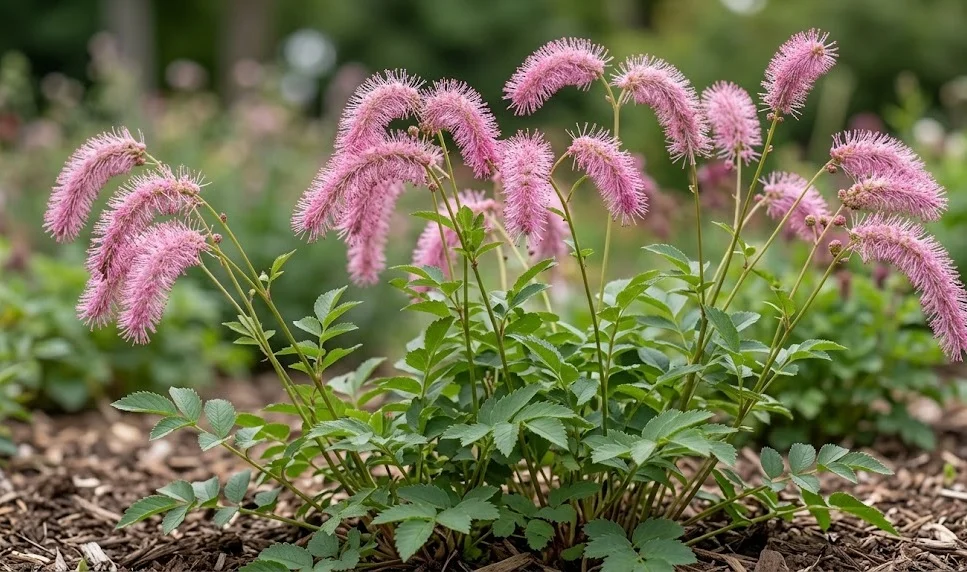
Deadheading, the practice of removing spent flower heads, is a vital summer maintenance technique that offers multiple benefits for this perennial. As the individual bottle-brush flowers begin to fade and turn brown, they can detract significantly from the plant’s overall beauty. Removing these aging structures promptly keeps the specimen looking fresh, clean, and well-maintained during its peak season. This regular aesthetic touch-up ensures that the garden remains highly presentable throughout the entire summer month cycle.
More articles on this topic
Beyond the obvious visual improvements, deadheading plays an important physiological role by redirecting the internal energy reserves of the plant. Left to its own devices, the plant will expend considerable energy developing seeds within the spent flower heads. By intercepting this process and removing the old flowers, you encourage the plant to channel its resources back into vegetative growth and root consolidation. In some cases, timely deadheading can even stimulate the production of smaller, secondary flower spikes later in the season.
The technique for deadheading this specific species involves tracing the spent flower stem down to a healthy leaf node or a developing lateral bud. Make a clean, angled cut just above this point, taking care not to damage the emerging foliage or secondary buds below. Cutting too high leaves behind unsightly naked stems that will eventually die back and turn brown, spoiling the plant’s appearance. Precision cuts ensure that the remaining structure looks completely natural and continues to develop smoothly.
Managing self-seeding is another critical reason why many professional gardeners choose to implement a strict deadheading routine. This species can be a prolific self-seeder in optimal growing conditions, occasionally leading to unwanted seedlings popping up in neighboring garden spaces. If you wish to prevent the plant from spreading naturalistically beyond its designated border, removing the flower heads before they drop seeds is essential. This proactive management step keeps your garden layout organized and reduces the time spent weeding in future spring seasons.
Late season cutting back and structural rejuvenation
Late season cutting back represents the final major pruning intervention of the year, preparing the perennial for its winter rest. This process can be executed either in late autumn after the first hard frost kills the foliage, or delayed until early spring before new growth starts. Cutting back in autumn creates a very neat, tidy garden profile and eliminates potential overwintering sites for destructive fungal spores and insect pests. However, delaying the cut until spring allows the dried seed heads to provide texture, structural interest, and food for wild birds during winter.
More articles on this topic
When you choose to perform this major cut, the entire above-ground structure of the plant should be systematically removed. Trim all the dead, brown stems down to a few inches above the soil surface, being careful not to nick or damage the central growth crown. This radical clearance opens up the site completely, allowing light and air to reach the soil and stimulate the awakening roots. Disposing of the removed biomass properly, rather than composting it, helps break the life cycles of any lingering garden pathogens.
Mid-season structural pruning may occasionally be necessary if the plant becomes overly large, floppy, or crowded by its neighbors. If the central stems begin to lean severely due to high wind exposure or excessive soil fertility, don’t hesitate to thin out some of the weaker outer growth. Removing up to one-third of the dense foliage improves light penetration into the interior of the clump, strengthening the remaining stems. This targeted thinning reinforces the plant’s structural integrity and prevents it from collapsing during heavy summer rainstorms.
Combining proper pruning techniques with regular soil care and optimal watering guarantees a lifetime of spectacular performance from this perennial. Pruning should always be viewed as a collaborative partnership between the gardener and the innate growth habits of the plant species. Each deliberate cut stimulates a predictable physiological response, allowing you to guide the shape, size, and flowering capacity of the specimen. Embracing this simple but profound maintenance responsibility ensures your garden remains a source of professional pride and natural beauty.