
Developing an appropriate watering and fertilization regimen is vital for maintaining the lush foliage and abundant blooms of this perennial. This species naturally inhabits moist meadows and stream banks, which explains its fundamental requirement for consistent moisture throughout the growing season. Understanding these natural environmental adaptations allows gardeners to replicate ideal conditions within the managed landscape. Balancing water delivery with targeted nutritional support ensures that the plant achieves its full aesthetic and structural potential.
While the plant enjoys consistent moisture, it is important to distinguish between damp soil and completely waterlogged conditions. Persistent standing water can deplete the soil of vital oxygen, leading to root suffocation and eventual crown rot. The ideal soil structure allows excess water to drain away while retaining a high level of capillary moisture around the roots. Observing how the soil behaves after a heavy rain provides valuable clues about its water-holding capacity.
Drought stress can quickly diminish the ornamental value of this perennial, causing the delicate foliage to crisp and brown at the edges. Extended periods of dryness can also lead to premature dormancy, reducing flower production and weakening the plant’s overall constitution. Young or newly transplanted specimens are particularly vulnerable to moisture deficits as their root systems are not yet fully developed. Providing regular, deep irrigation during dry spells preserves the integrity of the foliage and supports continuous flower development.
The nutritional requirements of the plant are closely linked to its moisture needs and overall growth rate. In highly fertile, moist soils, the plant grows vigorously and produces large, lush leaves alongside tall flower spikes. However, an overabundance of nutrients, particularly nitrogen, can lead to weak, floppy stems that require structural support. Achieving the correct balance between moisture and nutrition is the secret to cultivating upright, healthy, and resilient specimens.
Designing an effective irrigation schedule
Establishing a regular and effective irrigation schedule depends on understanding soil type, weather patterns, and the specific needs of the plant. Deep, infrequent watering is generally far more beneficial than frequent, shallow applications that only wet the soil surface. Deep watering encourages the root system to grow downward into the lower soil profiles, creating a more drought-resilient plant. Adjust the frequency of irrigation based on seasonal temperatures, increasing water delivery during periods of extreme heat or prolonged drought.
More articles on this topic
The timing of water application plays an important role in maximizing efficiency and minimizing the risk of disease development. Watering early in the morning is highly recommended, as it allows the foliage to dry quickly in the rising sun. Wet foliage during the cool overnight hours creates an ideal environment for fungal spores to germinate and infect the plant. If morning watering is not possible, late afternoon is an acceptable alternative, provided the leaves dry before nightfall.
Utilizing the correct watering techniques can significantly improve water efficiency and direct moisture exactly where it is needed most. Drip irrigation systems or soaker hoses are highly efficient methods because they deliver water directly to the soil surface, minimizing evaporation losses. Overhead watering should be avoided when possible, as it can weigh down the tall flower spikes and cause them to bend. Focus the water delivery around the root zone, extending slightly outward to encompass the entire spread of the root system.
Monitoring soil moisture levels accurately prevents both overwatering and underwriting, ensuring the plant remains in its optimal growth zone. Checking the soil manually by inserting a finger or a moisture meter a few inches deep provides reliable data on subterranean conditions. If the soil feels dry at that depth, it is time to initiate a thorough irrigation cycle. Conversely, if the soil remains wet and muddy, delay watering to allow the root zone to aerate properly.
Nutritional needs and soil chemistry optimization
Optimizing soil chemistry and understanding the nutritional needs of the plant ensures long-term vigor and abundant seasonal flowering. This perennial thrives in soils that are naturally rich in organic matter and possess a well-balanced nutrient profile. Essential macro-elements like nitrogen, phosphorus, and potassium must be available in appropriate proportions to support distinct phases of plant development. Regular soil testing provides valuable insights into nutrient deficiencies or imbalances that may require targeted correction.
More articles on this topic
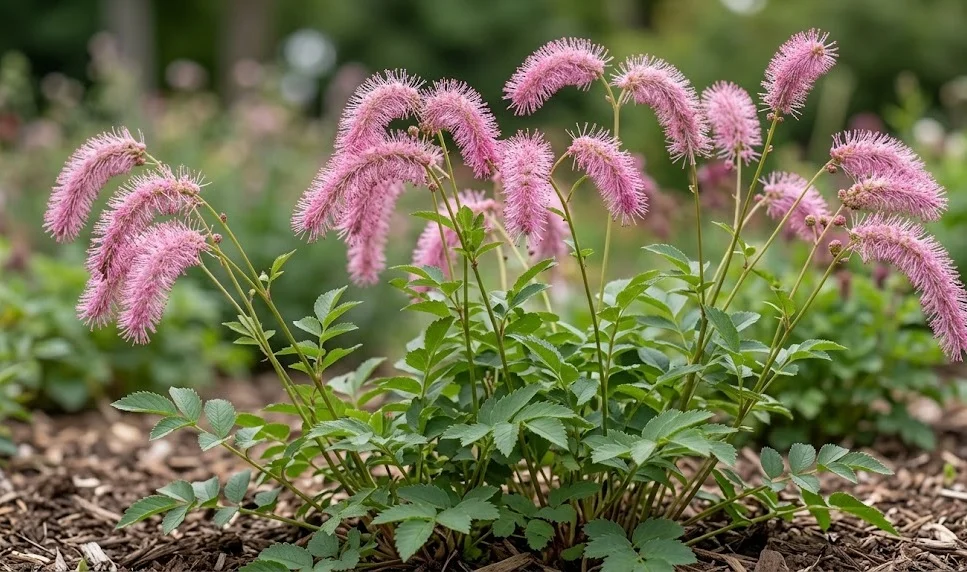
Nitrogen is responsible for driving the production of lush, vibrant green foliage during the initial spring growth surge. However, as previously noted, excessive nitrogen can cause rapid, weak stem elongation at the expense of flower development. Phosphorus is critical for supporting robust root growth and enhancing the quantity and quality of the characteristic bottle-brush blossoms. Potassium plays a vital role in regulating internal water movement, strengthening plant tissues, and improving overall stress tolerance.
Micronutrients, though required in much smaller quantities, are equally essential for the biochemical processes that sustain plant health. Elements such as iron, manganese, and magnesium support chlorophyll production and efficient enzyme functioning within the leaves. A deficiency in these micronutrients often manifests as leaf yellowing, a condition known as chlorosis, which reduces photosynthetic efficiency. Maintaining the soil pH within the neutral to slightly acidic range ensures these vital micronutrients remain fully accessible to the plant.
Incorporating organic amendments into the soil structure is an excellent long-term strategy for sustaining fertility and chemical balance. Well-rotted compost, leaf mold, and aged manure introduce a wide spectrum of nutrients while simultaneously improving soil biology. These organic materials break down slowly, releasing nutrients gradually over time in a form that plants can easily absorb. This steady supply of nutrition prevents the sudden growth spikes often caused by highly concentrated synthetic products.
Selecting fertilizers and application methodologies
Selecting the right type of fertilizer depends on your specific garden management goals, soil test results, and environmental philosophy. Slow-release granular fertilizers are highly effective for established perennials, providing a steady supply of nutrients over several months. These granules can be applied around the base of the plant in early spring just as new growth begins to emerge. Scratching the granules gently into the top layer of soil ensures they make good contact and begin releasing nutrients.
Liquid or water-soluble fertilizers offer a quick nutrient boost that can be useful during specific stages of development or to correct acute deficiencies. These products are absorbed rapidly through both the roots and the foliage, delivering immediate nutritional support. They can be applied during early summer to support the plant as it prepares to produce its heavy crop of flower spikes. Care must be taken to dilute these products according to the manufacturer’s instructions to prevent root burn.
Organic fertilizers, such as bone meal, fish emulsion, or kelp meal, offer sustainable alternatives that benefit both the plant and the soil ecosystem. Bone meal is particularly rich in phosphorus, making it an excellent addition to the planting hole when installing new specimens. Fish emulsion provides a gentle source of nitrogen and trace elements that can be applied periodically throughout the early growing season. These organic options enhance soil microbial activity, which in turn improves long-term soil structure and nutrient cycling.
Proper application technique is crucial to maximize the benefits of fertilization while preventing accidental damage to the plant tissues. Always apply fertilizers to moist soil, as applying chemicals to dry roots can cause severe fertilizer burn and root damage. Avoid placing fertilizer granules directly against the crown of the plant, as this can cause localized tissue necrosis. Thoroughly water the area immediately after any fertilizer application to dissolve the nutrients and wash them into the root zone.
Seasonal variations in moisture and nutrient management
Adjusting your watering and fertilization routines throughout the changing seasons ensures the plant receives optimal care during every growth phase. In early spring, as the plant emerges from winter dormancy, focus on establishing a baseline of soil moisture and nutrition. Applying a balanced fertilizer at this time supports the rapid expansion of foliage and the development of early root structures. Monitor natural rainfall levels closely during this period to determine if supplemental irrigation is required to support new growth.
Midsummer represents the period of highest water demand as high temperatures increase evaporation rates and transpiration from the leaves. During this peak flowering phase, maintaining consistent soil moisture is critical to keep the blossoms looking fresh and vibrant. Check moisture levels more frequently, especially during heatwaves, and increase irrigation volume to ensure water reaches the deep root zone. Avoid applying heavy nitrogen fertilizers at this stage, as the plant should focus its energy on flowering rather than vegetative growth.
As late summer transitions into autumn, the water requirements of the plant naturally begin to decrease as growth slows down. Gradually reduce the frequency of irrigation, allowing the soil to dry out slightly more between watering cycles. Stop all fertilizer applications by late summer to discourage the production of tender new growth that could be damaged by early autumn frosts. This reduction in inputs signals to the plant that it is time to prepare for its winter rest.
During the winter months, the plant enters a period of complete dormancy, and its active moisture and nutrient uptake stops entirely. If the winter is exceptionally dry and the ground is not frozen, a light watering during mild spells can be beneficial. No fertilizer should ever be applied during winter, as the roots cannot utilize the nutrients and they may leach away. Understanding and respecting this natural seasonal rhythm ensures the perennial returns with renewed vigor and health every spring.