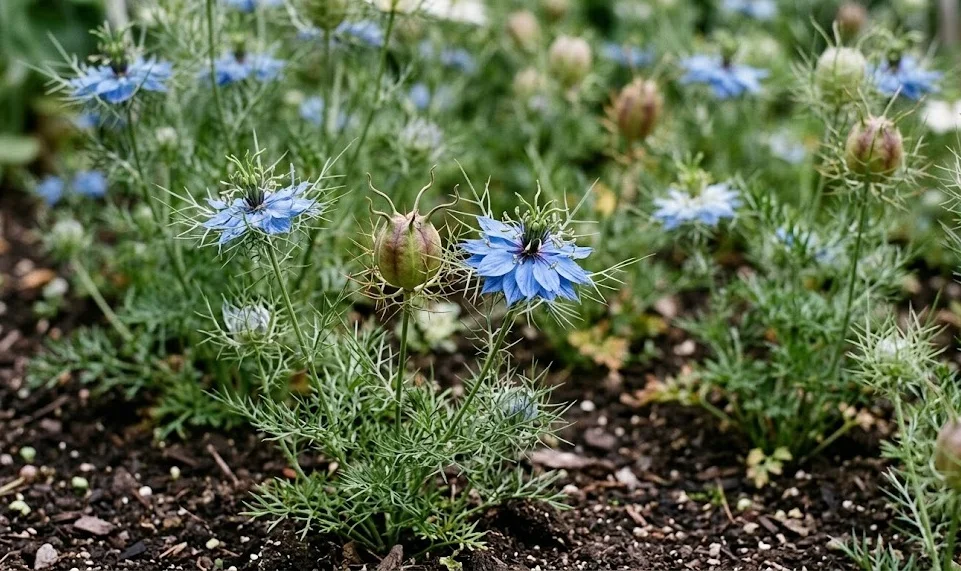

Maintaining a healthy garden environment requires a proactive approach to identifying, preventing, and managing common diseases and pests. While these charming annual flowers are relatively trouble-free, they can occasionally succumb to environmental stressors and biological threats. Developing a keen eye for early symptoms allows you to intervene before a minor problem escalates into a widespread infestation. Utilizing integrated pest management strategies ensures that your garden remains safe for beneficial insects while protecting your beautiful floral display. Understanding the specific vulnerabilities of your plants empowers you to cultivate a resilient, thriving outdoor ecosystem effortlessly.
Fungal pathogens represent one of the most frequent challenges encountered by gardeners growing dense annual flowers in humid climates. Powdery mildew is a common culprit that presents as a distinct, white or gray powdery coating on leaves and stems. This disease thrives in warm, humid conditions where air circulation is restricted around the dense, feathery foliage. Infected leaves may eventually turn yellow, curl up, and drop prematurely, weakening the overall structure of the plant. Implementing preventative cultural practices is the most effective way to keep this unsightly fungal issue at bay.
Promoting exceptional air circulation through proper spacing is your first and best line of defense against fungal diseases. When individual plants are crowded together too closely, moisture becomes trapped within the dense canopy, creating a perfect incubation chamber. Thinning seedlings early ensures that wind can move freely through the patch, drying the foliage quickly after rains. Avoiding overhead watering and directing moisture straight to the soil surface also helps keep the leaves dry and inhospitable to spores. Simple adjustments to your daily maintenance routines can dramatically reduce disease pressures without the need for chemicals.
If fungal symptoms do appear, removing and destroying the affected plant parts immediately helps prevent the disease from spreading further. Use sharp, sterilized pruning shears to make clean cuts, and dip the tools in disinfectant between plants to avoid cross-contamination. Never add diseased plant material to your home compost pile, as the heat may not be sufficient to kill the spores. Instead, dispose of infected debris in the trash or destroy it according to local agricultural guidelines. Prompt sanitation measures protect the remaining healthy plants and keep the garden clean and productive.
Managing common insect pests effectively
Insect pests can occasionally target these delicate annuals, sucking vital sap or chewing through tender young foliage and buds. Aphids are small, soft-bodied insects that tend to cluster on new growth, causing leaves to twist and distort unnaturally. These pests excrete a sticky substance known as honeydew, which can attract ants and encourage the growth of black sooty mold. Inspecting the undersides of leaves and the bases of flower buds regularly helps you spot these invaders early. Catching a pest problem in its initial stages makes eradication much simpler and less disruptive to the garden.
More articles on this topic
Encouraging natural predators to inhabit your garden beds provides excellent, long-term biological control against common insect pests. Beneficial insects like ladybugs, lacewings, and predatory wasps feed greedily on aphids and keep their populations in check naturally. Planting a diverse array of companion flowers attracts these helpful predators and creates a balanced, self-regulating backyard ecosystem. Avoid using broad-spectrum chemical insecticides, as these products kill beneficial bugs along with the pests, worsening long-term problems. Nurturing a rich bio-diverse environment is the smartest and most sustainable approach to pest management.
For minor insect infestations, a strong blast of water from a garden hose can physically dislodge pests from the plants. This simple, mechanical control method is surprisingly effective at reducing aphid numbers without damaging the delicate, feathery foliage. Performing this task in the morning ensures the plants dry quickly under the sun, minimizing any secondary fungal risks. Repeating the water blast every few days can keep pest populations below the threshold where they cause visible damage. Utilizing low-impact solutions first preserves the health of your plants and the surrounding environment perfectly.
When physical removal is insufficient, applying organic insecticidal soap or diluted neem oil offers an effective, targeted treatment option. These natural remedies work by coating the pests and disrupting their cell membranes or feeding behaviors without leaving toxic residues behind. Always apply these treatments during the cool evening hours to avoid leaf burn from the interaction with hot sunlight. Test the solution on a small, inconspicuous part of the plant first to ensure no adverse sensitivities occur. Organic interventions provide powerful control while respecting the delicate balance of your garden life.
Soil-borne pathogens and root health
Protecting the underground root system is just as critical as managing the visible, above-ground portions of your garden plants. Soil-borne pathogens like Pythium or Rhizoctonia can cause damping-off in young seedlings, causing them to collapse and die suddenly. This tragic condition is heavily favored by overly wet, compacted soils and cool temperatures during the early spring germination phase. Ensuring your seedbeds possess immaculate drainage is the single most effective way to prevent these destructive fungi from taking hold. A healthy, aerated root environment allows young plants to grow vigorously and resist underground infections naturally.
More articles on this topic
Root rot is another serious condition that affects mature plants growing in heavy, waterlogged soils where oxygen is scarce. Symptoms include a general decline in plant vigor, yellowing leaves, and wilting even when the soil is visibly wet. If you pull up an affected specimen, the roots will appear brown, mushy, and emit an unpleasant, decaying odor. Unfortunately, there is no effective cure for severely rotted roots, and affected plants must be removed immediately. Amending heavy clay soils with organic matter before planting prevents these suffocating underground conditions from developing.
Practicing thoughtful crop rotation helps break the life cycles of persistent soil-borne diseases that can accumulate over multiple seasons. Avoid planting members of the same botanical family in the exact same spot year after year without interruption. Integrating cover crops or shifting the placement of your flower drifts introduces biological diversity that confuses and suppresses pathogens. This traditional agricultural practice keeps the soil dynamic, healthy, and ready to support robust growth each year. Caring for the invisible life within the earth ensures the long-term success of your ornamental displays.
Utilizing high-quality, disease-free seed sources is an important starting point that prevents the accidental introduction of pathogens into your soil. If collecting seeds from your own garden, only harvest from perfectly healthy, vigorous specimens that showed no signs of illness. Clean your seed collection containers and storage envelopes meticulously to maintain pristine conditions during winter dormancy. If purchasing commercial seeds, select reputable suppliers known for strict quality control standards and high germination guarantees. Starting with clean genetic material sets your garden up for a healthy, trouble-free growing season from day one.
Environmental disorders and physiological stress
Not all plant health issues are caused by living pathogens or destructive insects; environmental factors can also induce significant stress. Physiological disorders occur when weather conditions, soil chemistry, or improper care routines disrupt the plant’s natural internal processes. For example, extreme heatwaves can cause flower buds to blast or dry up before they have a chance to open fully. Scorched leaf tips often indicate that the plant is transpiring moisture faster than its roots can absorb it from dry soil. Differentiating between environmental stress and infectious disease is crucial for applying the correct corrective remedies.
Nutrient deficiencies manifest in distinct visual patterns across the foliage, alerting you to imbalances within the underlying soil chemistry. A lack of sufficient iron can cause interveinal chlorosis, where leaves turn yellow while the veins remain bright green. Nitrogen deficiency typically causes a uniform yellowing of the older, lower leaves as the plant redirects mobile nutrients to new growth. Addressing these deficiencies promptly with targeted, organic soil amendments restores internal balance and brings back vibrant green coloration. Regular soil testing provides the precise data required to prevent these nutritional shortfalls before they impact visual aesthetics.
Sunscald can occur if plants grown indoors or in greenhouse environments are moved into direct, intense sunlight too abruptly. This condition appears as bleached, papery spots on the leaves where the delicate plant tissues have been scorched by ultraviolet radiation. To prevent this damage, always implement a gradual hardening-off process over a period of at least one week. Providing temporary shade cloth during unexpectedly intense heatwaves can also protect established outdoor borders from sun damage. Shielding your plants from extreme solar radiation preserves their flawless appearance and maintains steady growth.
Frost damage can threaten early spring seedlings if a sudden, unexpected freeze occurs after germination has taken place. Frozen foliage turns dark, mushy, and eventually blackens as the cell walls rupture from expanding ice crystals inside. Covering vulnerable patches with lightweight fleece or inverted buckets overnight provides simple, highly effective protection against frost. Remove the covers as soon as temperatures rise the following morning to ensure light and air can circulate freely again. Monitoring local weather forecasts diligently allows you to protect your investment from the whims of changing spring weather.
Integrated pest management and ecosystem balance
Implementing an integrated pest management framework allows you to manage garden health challenges in a holistic, environmentally responsible manner. This approach prioritizes long-term prevention through cultural practices, regular monitoring, and biological controls before resorting to chemical treatments. By establishing a tolerance threshold, you accept that a few pests are a natural and necessary part of a healthy ecosystem. This perspective reduces unnecessary intervention anxiety and allows nature to solve many minor imbalances on its own. Creating a balanced backyard habitat fosters resilience and reduces the time spent executing disruptive maintenance chores.
Companion planting represents a fascinating, traditional cultural technique that enhances pest management through strategic plant associations. Intersperming your misty annuals with strong-smelling herbs like marigolds, garlic, or basil can confuse and deter flying pests naturally. Some companion plants act as trap crops, drawing pests away from your prized flowers onto less valuable vegetation nearby. Others attract highly beneficial insects that act as a natural security force for your entire garden layout. Designing your beds with these ecological relationships in mind creates a beautiful, self-protecting plant community.
Documenting pest and disease occurrences in a dedicated garden journal builds an invaluable repository of regional knowledge over time. Note the exact dates when specific symptoms appeared, the prevailing weather conditions, and which treatments yielded successful results. Patterns will emerge over the years, allowing you to anticipate challenges and implement preventative measures precisely when they are needed most. This analytical approach transforms accidental successes into predictable, professional-grade gardening results season after season. Continuous learning through observation is the ultimate key to mastering the art of plant health management.
Sharing your pest management insights with neighboring gardeners creates a supportive network that benefits the wider local environment. Pest problems rarely respect property boundaries, so a coordinated community approach to monitoring and sanitation is highly effective. Exchanging tips on successful organic treatments or reporting early sightings of invasive species helps everyone protect their yards. Together, passionate horticulturists can foster healthier urban and rural landscapes that support beautiful flowers and native wildlife simultaneously. Cultivating a beautiful garden is an art form that connects us deeply to nature and to each other.