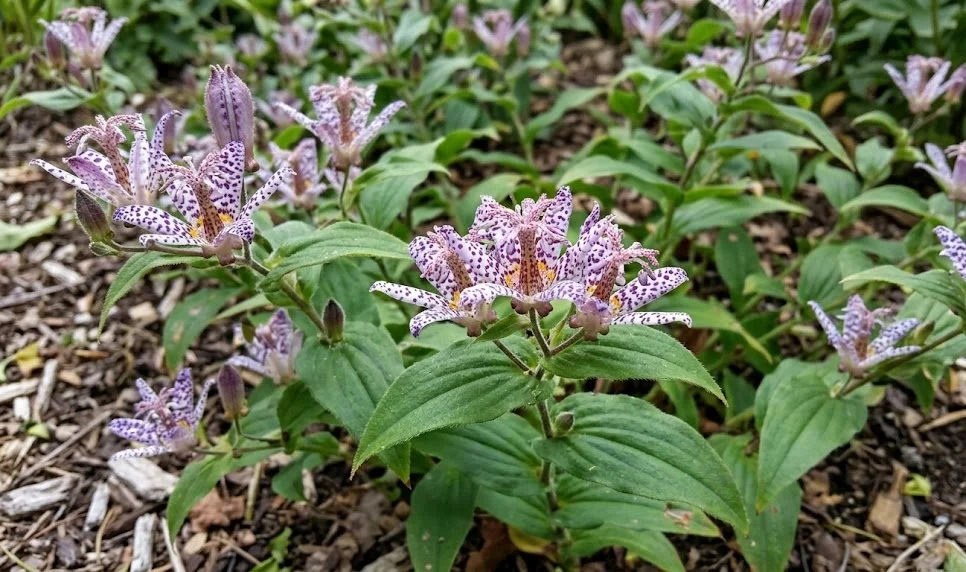

Slugs and snails represent the most significant and destructive pest threat to toad lilies, particularly during the damp spring months. These voracious creatures are drawn to the tender, emerging shoots and can decimate a young plant overnight. Their damage appears as large, ragged holes in the leaves and missing stems that severely disfigure the foliage. Implementing a proactive defense plan is essential to safeguard your plants from these slimy invaders.
Monitoring your garden after dark or during rainy days reveals the true extent of slug activity around your perennials. Look for telltale silvery slime trails on the leaves and surrounding soil to confirm their presence. Hand-picking these pests in the evening is a highly effective, non-chemical method to reduce their populations quickly. Dropping the collected slugs into a bucket of soapy water ensures they will not return to cause further harm.
Creating physical barriers around the base of your plants offers excellent long-term protection against slug damage. Diatomaceous earth, crushed eggshells, or coarse sand spread in a ring discourages slugs from crossing due to their sharp textures. Copper tape wrapped around containers or raised bed borders creates a small, natural electrical reaction that repels them effectively. These physical methods are safe for the environment and highly targeted.
Organic slug baits containing iron phosphate are widely available and safe to use around pets and wildlife. These pellets attract slugs, which consume them and then crawl away to die safely out of sight. Scatter the bait thinly around the planting beds in early spring before the new growth breaks through the soil. Consistent application throughout the damp seasons keeps slug populations under control and protects your prized foliage.
Fungal diseases and leaf spot prevention
Fungal infections thrive in the shady, humid environments that toad lilies naturally prefer, presenting a constant management challenge. Leaf spot diseases are the most common fungal issues, causing unsightly brown, black, or purple spots on the foliage. If left unchecked, these spots can enlarge, merge, and cause the entire leaf to yellow and drop prematurely. Understanding how fungal spores spread allows you to implement effective prevention strategies in your garden.
More articles on this topic
Spores are typically transferred through splashing water from rain or overhead irrigation systems that leaves foliage wet for extended periods. To minimize this risk, always apply water directly to the soil surface using drip lines or soaker hoses. Ensure your plants have adequate spacing to promote excellent air circulation, which helps dry the leaves quickly after rain. Good garden layout planning is your first line of defense against fungal outbreaks.
If you detect signs of leaf spot, promptly remove and discard the affected foliage to prevent the disease from spreading. Always use clean, sanitized pruning shears between cuts to avoid cross-contaminating healthy parts of the plant. Do not compost infected leaves, as fungal spores can survive the composting process and return to your beds later. Sanitation is an indispensable practice for maintaining a healthy, disease-free shade garden.
In cases of severe or recurring fungal infections, applying an organic copper-based fungicide may be necessary to protect the plant. These treatments are most effective when applied early in the season as a preventative measure before symptoms become widespread. Always follow the label instructions carefully and apply the spray during cool, calm overcast days to avoid leaf scorch. Combining preventative sprays with good cultural habits keeps fungal diseases at bay.
Viral infections and systemic issues
Viral diseases pose a serious, often incurable threat to the health and longevity of your woodland plant collection. These systemic infections disrupt the plant’s normal cellular functions, leading to distorted growth, mottling, and severe loss of vigor. Unlike fungal issues, viral infections cannot be cured with topical sprays or chemical treatments once a plant is infected. Recognizing the symptoms of viral damage is critical for preventing widespread contamination in your landscape.
More articles on this topic
Symptoms of a viral infection often include striking mosaic patterns on the leaves, where light and dark green patches intermingle abnormally. You may also observe ring spots, distorted or puckered foliage, and strangely broken or streaked color patterns on the flowers. Growth is typically severely stunted, and the plant fails to respond to proper watering or fertilization efforts. If you observe these distinct symptoms, the plant must be handled with extreme caution.
Viruses are commonly transmitted from plant to plant via sucking pests like aphids, or through contaminated gardening tools. Maintaining strict tool hygiene by wiping blades with rubbing alcohol between plants is vital during routine maintenance tasks. Controlling pest populations that act as vectors helps minimize the risk of viral introduction to your shade borders. Purchasing certified disease-free stock from reputable nurseries is another excellent preventative measure.
Unfortunately, the only effective management strategy for a virus-infected plant is complete removal and destruction from the garden. Dig up the entire plant, including the root system, and dispose of it in the trash rather than the compost pile. Do not plant another susceptible species in the exact same spot immediately to avoid potential soil transmission. Taking prompt, decisive action protects the remaining healthy specimens in your garden collection.
Environmental disorders mimicking disease
Not all spots, discolorations, or growth problems are caused by living pathogens or destructive insect pests. Environmental disorders, often referred to as abiotic stresses, occur when non-living factors negatively impact the plant’s physiological development. These issues can perfectly mimic the symptoms of fungal or viral infections, sometimes leading to incorrect and harmful treatments. Learning to differentiate between environmental stress and actual disease saves time, money, and plant health.
Leaf scorch is a common environmental issue that occurs when the plant is exposed to excessive sunlight or drying winds. The margins of the leaves turn brown, paper-dry, and brittle, while the center of the leaf remains green. This condition looks like a fungal leaf blight but is simply a physical response to rapid water loss from the tissue. Providing temporary shade or moving the plant to a more sheltered location resolves the issue.
Nutrient deficiencies can also cause dramatic leaf discolorations that resemble viral mottling or fungal chlorosis patterns. For example, a lack of magnesium often causes yellowing between the veins of older leaves while the veins stay dark green. This condition is a chemical balance issue rather than a contagious disease spreading through your garden beds. Correcting the soil pH and applying targeted nutrients will restore healthy green color over time.
Soil compaction and poor drainage cause root suffocation, leading to wilting that resembles a bacterial wilt infection. Even though the soil is wet, the damaged roots cannot absorb water, causing the top of the plant to droop pitifully. Before applying chemical treatments, always evaluate the physical condition of the soil and root zone carefully. Addressing the underlying environmental cause is the only way to restore the plant’s natural health and beauty.
Implementing integrated pest management
Integrated Pest Management, or IPM, is a holistic and sustainable approach that combines multiple strategies for long-term plant protection. This philosophy focuses on prevention, monitoring, and using the least toxic control methods first to manage garden issues. By understanding the lifecycle of both your plants and their potential threats, you can maintain a balanced ecosystem. This method reduces reliance on harsh chemicals, protecting beneficial insects and the wider environment.
Regular monitoring is the foundation of a successful IPM program, requiring you to inspect your plants at least once a week. Check under the leaves, around the stems, and examine the soil surface for early signs of trouble. Catching a pest invasion or disease outbreak early makes control significantly easier and far more effective. Keeping a garden journal helps you predict when specific issues are likely to appear each year based on weather.
Encouraging natural predators, such as birds, frogs, toads, and beneficial insects like ladybugs, creates a self-regulating garden ecosystem. Avoid using broad-spectrum chemical insecticides, which kill these helpful predators along with the target pests you want to eliminate. Creating habitats like small rock piles or water features invites these natural allies into your shade garden to work for you. Letting nature balance itself reduces your workload and keeps your plants healthier over time.
When intervention is necessary, always start with mechanical controls like hand-picking pests or blasting them with a gentle stream of water. If chemicals are required, select targeted, low-toxicity options such as insecticidal soaps, horticultural oils, or botanical extracts. Apply these treatments precisely to the affected areas rather than spraying the entire garden indiscriminately. This mindful approach ensures your toad lilies remain protected while preserving the biological health of your landscape.