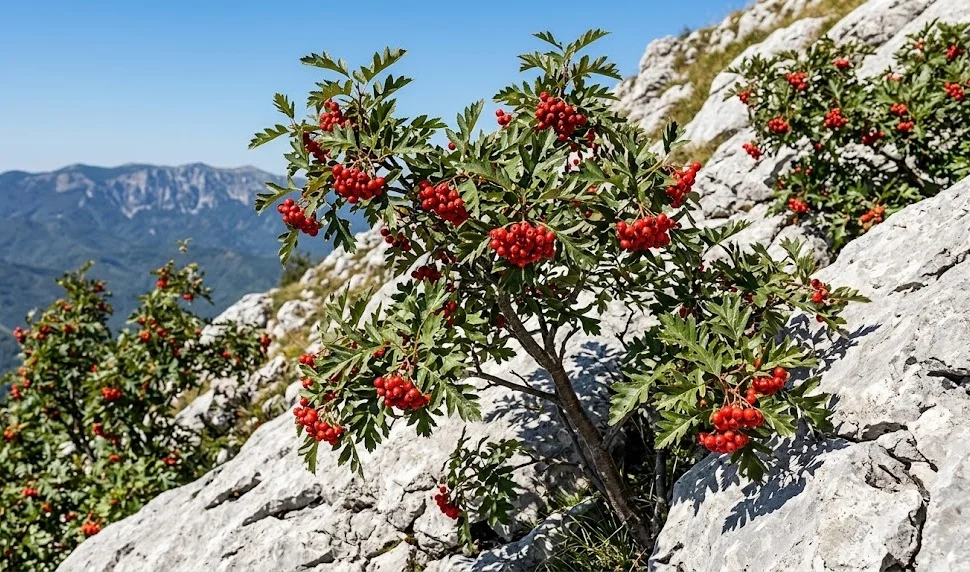

Preparing the Borbás mountain ash for the cold months is a critical task that ensures its survival and vitality for the following year. You must understand that while this species is naturally hardy, the conditions in a garden can differ significantly from its native mountain habitats. Professional winterization focuses on protecting the root system and the vascular tissue from extreme temperature fluctuations and drying winds. This article outlines the essential steps to safeguard your tree during the most challenging season of the year.
The primary threat during winter is not always the cold itself, but rather the physiological drought caused by frozen soil and desiccating winds. You should ensure that the tree is fully hydrated before the ground freezes solid to provide a moisture reserve within the wood. A well-hydrated tree is much more resilient to “winter burn,” where the needles or leaves lose moisture faster than the roots can replace it. Professional care begins in late autumn with a focus on building up the tree’s internal resources for the long dormant period.
Dormancy is a complex biological state that the tree enters to protect its sensitive growing points from ice damage. You should avoid any late-season fertilization that might stimulate new growth, as this soft tissue will not have time to “harden off” before the first frost. The goal is to allow the tree to follow its natural rhythm of shutting down and storing energy in the roots and trunk. Understanding this transition allows you to support the tree’s natural defenses rather than working against them with untimely interventions.
Visual monitoring remains important even when the tree has lost its leaves and appears inactive. You should check the tree after heavy snowfalls or ice storms to ensure that the weight is not causing structural damage to the branches. If you notice split bark or broken limbs, you may need to perform emergency pruning to prevent further tearing of the tissue. A professional stays engaged with the landscape throughout the winter, recognizing that the environment remains dynamic even during the coldest months.
Root zone protection and mulching
Insulating the root system is the most effective way to prevent the damaging effects of “frost heaving” in the soil. You should apply a fresh, thick layer of organic mulch around the base of the tree as the temperatures begin to drop consistently. A layer of four to six inches of wood chips or straw provides a stable thermal blanket that keeps the soil temperature more consistent. This protection prevents the roots from experiencing rapid freeze-thaw cycles that can tear delicate tissues and push young trees out of the ground.
More articles on this topic
The placement of the mulch is just as important as the material used to ensure the health of the trunk. You should leave a small gap of a few inches between the mulch and the bark to prevent moisture buildup and rot at the base of the tree. This “donut” shape allows for proper air circulation while still providing maximum insulation for the wider root network. A professional mulching technique protects the most vulnerable parts of the tree without creating new risks for disease or decay.
Moisture management in the root zone continues to be a priority until the ground is completely frozen. You should provide supplemental watering during dry, late-autumn periods if the natural rainfall is insufficient to saturate the soil. Once the ground is frozen, the water is locked away from the tree, making these final deep-watering sessions vital for winter survival. Ensuring the roots are surrounded by moist soil also helps the ground retain heat more effectively than dry earth.
Monitoring for rodent activity around the base of the tree is a necessary part of winter root zone management. You should be aware that thick mulch can provide a tempting winter home for voles and mice that may feed on the bark of the tree. If you notice signs of burrowing or chewing, you may need to pull the mulch back further or install a protective wire mesh guard. Protecting the integrity of the lower trunk ensures that the tree’s connection to its roots remains intact throughout the winter.
Protecting the trunk and branch structure
Sunscald is a common winter problem where the bright afternoon sun warms the dark bark, followed by a rapid freeze as the sun sets. You should consider using a white tree wrap or a plastic guard on young specimens to reflect the sunlight and keep the bark at a more stable temperature. This protection prevents the bark from cracking or splitting, which would otherwise create permanent scars and entry points for pests. Professional gardeners use these simple physical barriers to prevent significant aesthetic and structural damage.
More articles on this topic
Managing heavy snow loads is essential for preserving the natural form and integrity of the Borbás mountain ash. You should gently brush away heavy, wet snow from the branches using an upward motion to prevent them from snapping under the weight. Avoid shaking the tree vigorously or using a heavy broom, as frozen wood is brittle and can break easily if mishandled. If a branch is bent significantly, it is often better to support it temporarily rather than trying to force it back into its original position while frozen.
Wind protection is particularly important for trees planted in exposed or high-altitude locations that mimic their natural environment. You should recognize that winter winds can strip moisture from the bark and buds, leading to localized dieback in the spring. Creating a temporary burlap screen or windbreak can provide the necessary shelter for young or recently transplanted trees. This intervention reduces the overall environmental stress on the specimen, allowing it to emerge from winter in better condition.
Ice storms present a unique challenge that requires a patient and careful professional response. You should never attempt to knock ice off the branches, as this is almost certain to cause more damage than the ice itself. Allow the ice to melt naturally, and only then assess the tree for any structural failures that need to be addressed. Preparing the tree through proper pruning during the growing season is the best way to ensure it can withstand the weight of occasional ice events.
Maintaining hydration in evergreen and deciduous systems
Even though the Borbás mountain ash is deciduous, its bark and buds still require a baseline level of hydration to stay alive. You should understand that the tree continues to respire and lose a small amount of moisture even during deep dormancy. If the winter is unusually warm and the ground thaws periodically, you should check the soil moisture levels. Providing a small amount of water during these “thaw cycles” can prevent the tree from entering the spring in a state of chronic dehydration.
Anti-desiccant sprays are sometimes used by professionals to provide an extra layer of protection against drying winter winds. You should apply these products to the twigs and buds of particularly vulnerable trees during a dry, calm day in late autumn. These sprays create a thin, waxy film that reduces the rate of moisture loss without interfering with the tree’s natural dormancy. While not always necessary for established trees, they can be a valuable tool for high-value or stressed specimens.
Monitoring the color and plumpness of the buds can give you clues about the tree’s hydration status during the winter. You should look for firm, healthy-looking buds that show no signs of shriveling or turning unnaturally dark. If the buds appear dry or brittle mid-winter, it may be an indication that the tree is struggling with moisture levels. While you cannot “fix” a dormant tree’s hydration overnight, this information helps you adjust your care plan for the following year.
The transition from winter to spring is a delicate time when the tree’s demand for water suddenly increases. You should be ready to resume regular irrigation as soon as the ground thaws and the buds begin to swell. Often, the early spring winds are just as drying as winter gales, making this a high-risk period for young foliage. Providing consistent moisture during this “waking up” phase ensures the tree has the hydraulic pressure needed to push out new growth successfully.
Post-winter assessment and recovery
As the snow melts and the temperatures rise, a thorough post-winter inspection is the first task of the new gardening year. You should look for any signs of bark splitting, animal damage, or branch failure that occurred during the cold months. Identifying these issues early allows you to perform clean pruning cuts and apply any necessary treatments before the sap begins to flow heavily. A professional knows that the work done in early spring sets the stage for the entire growing season.
Cleaning up the area around the base of the tree is necessary to improve air circulation and remove potential pest habitats. You should rake away any old, matted mulch or debris that accumulated over the winter and replace it with a fresh, thinner layer if needed. This process also gives you a chance to inspect the root flare and ensure that no soil or mulch has buried the base of the trunk. Good hygiene in the early spring prevents many of the fungal issues that thrive in the damp conditions of the season.
Assessing the “winter kill” on the tips of the branches is a normal part of caring for mountain species in a garden setting. You should wait until the tree begins to bud out before deciding which parts of the tips are actually dead and need to be removed. Sometimes, buds that look dead in March will surprise you with growth in late April, so a little patience is required. Pruning back to the first healthy, living bud ensures that the tree can focus its energy on vigorous new expansion.
Planning for future winters based on your observations of the current one is the mark of a truly professional gardener. You should note which areas of the tree suffered the most and consider whether additional protection or a change in location is needed. Every winter provides a wealth of data that you can use to refine your care techniques and improve the tree’s resilience. Your goal is a gradual improvement in the tree’s ability to handle the extremes of your local climate year after year.