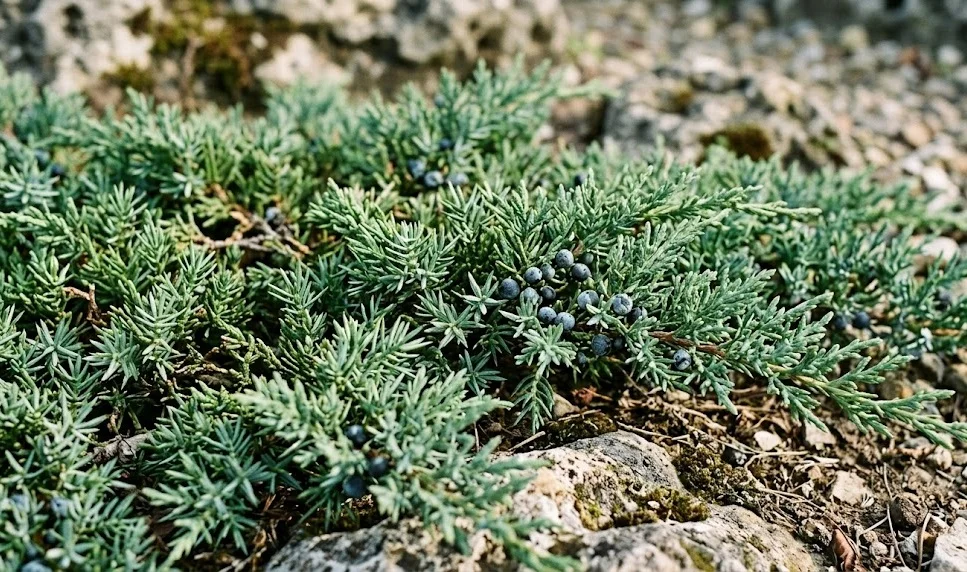

Wintering the savin juniper is a process that begins long before the first frost settles on the ground. As a mountain native, this shrub is naturally adapted to survive cold temperatures and heavy snowfall, but a little extra preparation can prevent unnecessary physical damage. The primary goal of winter care is to protect the plant’s hydration and structural integrity during the months when growth has ceased. By following a professional approach to seasonal transition, you can ensure that your shrub emerges in the spring as vibrant and healthy as ever.
The most significant challenge for evergreens during the winter is the combination of frozen soil and drying winds, which can lead to a condition known as winter burn. Because the needles continue to lose moisture even in the cold, the plant must have a reserve of hydration to draw upon when the roots cannot take up water from the frozen earth. Ensuring that the soil is thoroughly moist before it freezes is the most important step in preventing this desiccation. A well-hydrated plant is a resilient plant, even in the harshest winter weather.
Physical protection from the weight of snow is another important consideration, especially for cultivars with a more upright or spreading form. The flexible branches of the savin juniper can often bend under the weight, but heavy, wet snow can cause them to snap or become permanently deformed. Taking simple precautions to support the branches or clear the snow can save you from having to perform drastic corrective pruning in the spring. This attention to detail preserves the natural beauty and structure of the shrub for years to come.
Winter is also a time to consider the needs of local wildlife and how they might interact with your garden’s evergreens. While the juniper provides excellent cover for small birds, it may also attract larger animals looking for a food source when nothing else is available. Understanding these dynamics allows you to take protective measures if necessary, such as installing temporary fencing or deterrents. With a thoughtful approach, your juniper can serve as both a beautiful landscape feature and a vital part of the winter ecosystem.
Cold tolerance and winter resilience
This species is renowned for its exceptional cold hardiness, often rated for zones that experience significantly below-freezing temperatures for long periods. Its internal chemistry allows it to adjust to the dropping temperatures by concentrating sugars and other compounds in its cells that act as a natural antifreeze. This physiological adaptation is what allows the needles to stay green and functional even when the air is biting and the ground is solid. You can trust that this plant is built to handle the rigors of a standard continental winter.
More articles on this topic
While the plant is hardy, the specific conditions of your garden can influence how well it performs during the coldest months. Plants in exposed, wind-swept locations are at a higher risk of needle damage than those tucked into more protected corners. The wind accelerates the loss of moisture from the foliage, which is why providing a windbreak or a sheltered site is so beneficial. Understanding the microclimate of your property will help you determine if any extra protection is needed for your specific specimens.
The root system is the most sensitive part of the plant to extreme temperature fluctuations, which is why a consistent soil temperature is so important. In the wild, a layer of fallen needles and snow provides a natural insulation that protects the roots from deep freezes and rapid thaws. In a garden setting, you can mimic this protection by maintaining a healthy layer of organic mulch around the base of the plant. This simple barrier keeps the roots at a more stable temperature and prevents the heaving of the soil that can damage young rootlets.
Winter dormancy is a period of rest for the plant, but it is not a period of total inactivity. The shrub is still performing basic metabolic functions at a very slow rate, waiting for the cues of longer days and warmer soil to begin growing again. During this time, it is best to avoid any major disturbances to the root zone or the branches. Letting the plant follow its natural rhythm is the most professional way to ensure a smooth transition from the cold of winter to the warmth of spring.
Protecting branches from heavy snow
The horizontal and spreading growth habit of the savin juniper makes it particularly susceptible to the accumulating weight of heavy, wet snow. If the snow is allowed to pile up, it can force the branches down to the ground, potentially splitting them at the main trunk. Once a branch has been severely bent, it may not return to its original position even after the snow has melted, ruining the shape of the shrub. A proactive approach to snow management is the best way to maintain the aesthetic integrity of your plant.
More articles on this topic
After a significant snowfall, it is a good practice to go out and gently shake the branches to remove the excess weight. Use a soft-brue or your gloved hands to brush the snow away, working from the bottom of the plant upward to avoid overloading the lower limbs. Be careful not to use heavy tools or sharp objects that could damage the delicate bark or the needles during this process. This simple act of maintenance takes only a few minutes but can prevent hours of cleanup and pruning later.
For young or particularly valuable specimens, you may want to consider using a temporary support system for the winter. Low-profile stakes or a light frame can help distribute the weight of the snow and prevent the branches from reaching their breaking point. This is especially useful in regions where heavy, wet snow is a common occurrence throughout the winter months. These supports can be easily removed in the spring and stored for the following year, making them a practical and reusable solution.
Avoid the temptation to use salt or other chemical de-icers near your junipers, as these substances can be highly toxic to the roots. Runoff from treated paths and driveways can carry the salt into the soil, where it interferes with the plant’s ability to take up water and nutrients. If you must use a de-icer, choose a product that is labeled as safe for plants or use sand to provide traction instead. Protecting the soil from chemical contamination is an essential part of long-term winter care.
Winter care for potted specimens
If you are growing savin juniper in containers, you must take extra precautions to ensure they survive the winter successfully. Because the roots are above the ground, they are exposed to much more extreme temperature fluctuations than those planted in the earth. The soil in a pot can freeze and thaw multiple times during the winter, which can be very stressful for the plant’s root system. Moving the pots to a more sheltered location is often the best way to protect them from the worst of the weather.
A sheltered spot could be against a south-facing wall, in a cold frame, or even in an unheated garage or shed during the coldest spells. The goal is not to keep the plant warm, but to provide a more stable and protected environment that mimics the insulation of the ground. Be sure to check the moisture levels in the pots regularly, as the soil can dry out quickly even in the winter. Water the plants on a day when the temperature is above freezing to ensure the moisture can soak into the root ball.
You can also provide extra insulation for the pots by wrapping them in burlap, bubble wrap, or specialized frost blankets. This helps to slow down the rate of freezing and thawing, giving the roots a more consistent environment throughout the season. Some gardeners even bury their potted junipers in the ground for the winter, which provides the ultimate protection from the cold. These extra steps are well worth the effort to ensure your container-grown specimens return to health in the spring.
Avoid fertilizing potted junipers in the winter, as the plant is dormant and cannot use the extra nutrients. Adding fertilizer at this time can lead to a buildup of salts in the soil that can damage the roots when the plant wakes up. Instead, focus entirely on managing moisture and protecting the physical structure of the plant. A well-cared-for potted juniper can be a beautiful and versatile addition to your winter patio or balcony for many years to-come.
Preparing the soil for the dormant season
The preparation of the soil in the late autumn is a critical step in setting your savin juniper up for a successful winter. This is the time to ensure that the area around the base is clear of any weeds or debris that could harbor pests or disease. It is also the best time to check the depth and condition of your mulch layer and to add more if necessary. A fresh layer of mulch provides the insulation and moisture retention that the plant will need during the months ahead.
Deep watering in the weeks leading up to the first hard freeze is perhaps the most important task on your autumn to-do list. You want the soil to be thoroughly moist down to the full depth of the root system before the ground becomes impenetrable. This moisture acts as a thermal mass that helps slow down the cooling of the soil and provides a vital reservoir for the plant. Don’t rely on light autumn rains, as they often don’t penetrate deeply enough to reach the most active parts of the roots.
If your soil is particularly sandy or prone to drying out, you may want to consider using an anti-desiccant spray on the foliage. These products create a thin, waxy coating on the needles that helps to reduce the amount of moisture lost to the wind. This can be especially helpful for young plants or those in highly exposed locations that are at a higher risk of winter burn. Follow the manufacturer’s instructions for the best timing and application method to ensure maximum protection.
Finally, take a moment to inspect the overall health and structure of the plant one last time before the snow begins to fly. Look for any signs of late-season pests or any branches that look weak or damaged and might not survive the winter weight. Addressing these small issues now will give you peace of mind throughout the dormant season and make your spring tasks much easier. A proactive and professional approach to winter preparation is the mark of a truly successful and dedicated gardener.