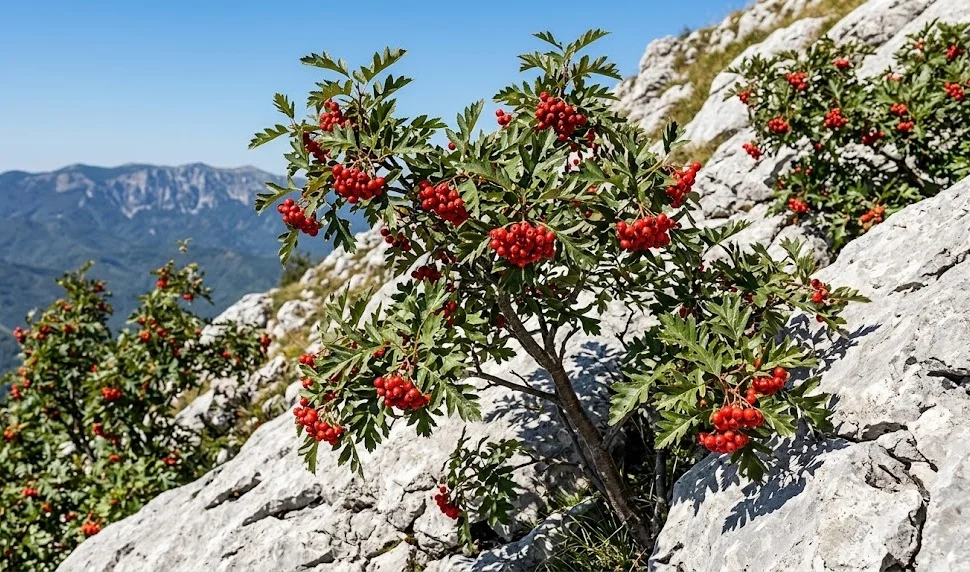

Establishing a new Borbás mountain ash in your landscape requires precise execution of planting techniques and a strategic approach to propagation. You must ensure that the initial site preparation and the handling of the young specimen meet professional standards to guarantee successful establishment. Propagation, whether through seeds or vegetative methods, demands patience and a controlled environment to achieve high success rates. This article provides a technical overview of the best practices for expanding your collection of this distinguished species.
The success of a new planting depends heavily on the quality of the nursery stock or the health of the propagated material you use. You should select specimens with a well-developed root system and a clear, undamaged main stem to ensure a strong start. Avoid plants that show signs of being pot-bound, as restricted root growth can lead to long-term stability issues after transplanting. Starting with high-quality material is the most effective way to minimize the risk of failure during the critical first year.
Timing is a critical factor when deciding when to introduce a new tree to its permanent location in the garden. You should ideally aim for the dormant season, either in late autumn or early spring, to reduce transplant shock and allow for root development. Planting during these cooler periods ensures that the tree can focus its energy on establishing roots before the demands of the foliage increase. Proper timing aligns the tree’s natural biological clock with the environmental conditions most conducive to growth.
Site selection remains the most influential decision you will make in the entire planting and propagation process. You should analyze the soil texture, light exposure, and potential competition from existing vegetation before digging the first hole. Ensuring the site matches the species’ natural preference for well-drained, airy locations will prevent many future health problems. A well-chosen site provides the foundation upon which the tree will build its structure and resilience over several decades.
Site preparation and planting techniques
Preparing the planting hole correctly is essential for encouraging rapid and healthy root expansion in the new environment. You should dig a hole that is at least twice as wide as the current root ball but no deeper than the container height. This ensures that the surrounding soil is loosened, making it easier for new roots to penetrate the native earth. Keeping the planting depth consistent with the previous soil line prevents trunk rot and ensures proper oxygen exchange at the base.
More articles on this topic
Handling the root ball with care during the transplanting process prevents the loss of delicate feeder roots that are vital for water uptake. You should gently loosen any circling roots at the edge of the ball to encourage them to grow outward into the new soil. If the tree is in a burlap wrap, ensure that all synthetic materials are removed to prevent future root constriction. This meticulous attention to the root system is what separates professional planting from amateur attempts.
Backfilling the hole should be done with a mixture of the native soil and a small amount of organic matter if the ground is particularly poor. You should firm the soil gently with your hands as you fill the hole to remove large air pockets without causing excessive compaction. Watering during the backfilling process helps settle the soil around the roots and provides immediate hydration to the transplant. A well-settled planting hole provides the stability and moisture contact necessary for the tree to take hold.
Staking might be necessary for young Borbás mountain ash trees planted in particularly windy or exposed locations. You should use flexible ties and position the stakes low enough to allow some movement of the trunk, which encourages strength development. It is important to check the ties regularly and remove the stakes once the tree has established a firm root anchor, usually after one growing season. Over-staking can lead to a weak trunk, so this intervention should be used judiciously and monitored closely.
Seed propagation and stratification requirements
Starting Borbás mountain ash from seed is a rewarding but technically demanding process that requires mimicking natural winter conditions. You should collect the berries when they are fully ripe, typically in late autumn, and extract the seeds from the fleshy pulp. The seeds contain natural inhibitors that prevent them from germinating until they have experienced a period of cold. This protective mechanism ensures that the seeds do not sprout prematurely during a brief warm spell in the winter.
More articles on this topic
Stratification is the most critical step in the seed propagation process and involves keeping the seeds in a cold, moist environment for several months. You can achieve this by mixing the cleaned seeds with damp sand or peat moss and storing them in a refrigerator. The temperature should be maintained just above freezing to simulate a natural winter cycle effectively. Consistent moisture is required during this period to keep the seeds viable and prepare them for eventual germination in the spring.
Sowing the stratified seeds should occur as soon as the ground warms up in the spring or in controlled seed trays. You should use a well-draining seed starting mix and cover the seeds with only a thin layer of soil to allow for light penetration if needed. Keep the trays in a bright location but away from direct, scorching sunlight which can dry out the medium too quickly. Patience is necessary as germination rates for mountain ash species can be variable and sometimes occur over an extended period.
Pricking out the young seedlings and moving them into individual pots is the next stage of the propagation journey. You should wait until the seedlings have developed at least two sets of true leaves before attempting to move them to avoid damaging the stem. Handle the young plants by the leaves rather than the stem, as the vascular tissue is extremely fragile at this stage. Providing a sheltered environment for the first year allows the young trees to gain the strength needed for eventual outdoor planting.
Vegetative propagation and grafting methods
Vegetative propagation, such as taking softwood cuttings, offers a way to produce clones of a particularly desirable parent tree. You should take these cuttings in early summer when the new growth is still flexible but has begun to firm up slightly. Using a rooting hormone can significantly increase the chances of successful root formation on the base of the cutting. Placing the cuttings in a high-humidity environment, such as a mist bench or under a plastic dome, prevents desiccation while roots develop.
Grafting is another professional technique often used to propagate specific varieties or to ensure the tree has a hardy rootstock. You should select a compatible Sorbus rootstock that is well-adapted to your local soil conditions to serve as the foundation. The whip and tongue graft is a common method used during the dormant season to join the scion of the Borbás mountain ash to the host. Success in grafting requires precise alignment of the cambium layers and a tight, waterproof seal around the union.
Layering is a slower but often very reliable method of propagation that can be done directly on an established tree. You should select a low-growing branch and gently injure a small section of the bark before pegging it into the soil. Covering the injured area with moist earth and keeping it weighted down encourages roots to form at that specific point. Once a strong root system has developed, the new plant can be severed from the parent and moved to its own location.
Maintaining the health of the parent plant is vital when using any vegetative propagation method to ensure the vigor of the offspring. You should only take material from trees that are free from pests, diseases, and nutritional deficiencies to avoid transferring problems. The environmental conditions provided to the new propagation must be carefully controlled to prevent stress during the sensitive transition period. Professional propagation requires a clean workspace and sterilized tools to maintain the highest standards of plant health.
Aftercare and establishment of young trees
The first two years after planting are the most critical for the long-term survival of your Borbás mountain ash. You should implement a rigorous watering schedule that ensures the root ball never dries out completely during the heat of summer. However, it is equally important to avoid overwatering, as the young roots need oxygen as much as they need moisture to function. Monitoring the soil moisture at a depth of several inches will give you the most accurate assessment of the tree’s needs.
Protecting the young trunk from mechanical damage and herbivory is essential in many garden and rural settings. You should consider installing a tree guard to prevent mowers, string trimmers, or rodents from damaging the sensitive bark. Such injuries can girdle the tree or provide entry points for pathogens that could kill a young specimen. A simple physical barrier is an inexpensive way to safeguard the years of work put into planting and propagation.
Weed control around the base of the new tree is necessary to eliminate competition for nutrients and water. You should maintain a clear circle of mulch or bare earth around the trunk to give the tree’s roots exclusive access to the soil. Using chemical herbicides near young trees is risky, so manual weeding or heavy mulching is generally preferred by professional gardeners. Removing competition allows the Borbás mountain ash to establish itself more quickly and reach a size where it is more resilient.
Conducting a structural check at the end of the first growing season allows you to identify any issues that developed during establishment. You should look for signs of new growth and assess the leaf color to ensure the tree is absorbing nutrients properly. If the tree appears to be struggling, you may need to adjust your watering or provide temporary shade to help it acclimate. Successful establishment is the result of continuous observation and timely adjustments to your maintenance routine.