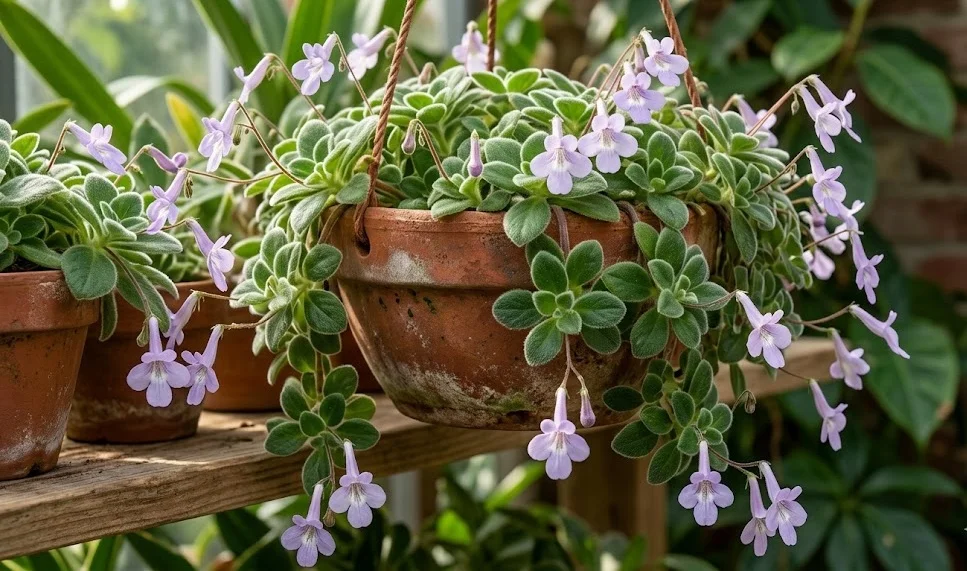

Maintaining the health of the Cape primrose involves vigilant monitoring for the various biological threats that can compromise its vitality. Like many soft-tissued indoor plants, it is susceptible to a range of fungal, bacterial, and insect-related problems if the environment is not managed correctly. Early detection is the most effective tool in a gardener’s arsenal, as it allows for less invasive treatments and prevents the spread of issues. Understanding the symptoms of common ailments will help you keep your collection in pristine condition.
Fungal infections are among the most common issues, often triggered by excessive moisture or poor air circulation around the foliage. Powdery mildew is a frequent visitor, appearing as a white, flour-like dusting on the surface of the leaves and stems. While it may look harmless at first, it can quickly weaken the plant by interfering with its ability to photosynthesize. Improving ventilation and reducing humidity are the first steps in combatting this persistent fungal pathogen.
Botrytis, or gray mold, is another serious threat that thrives in cool, damp conditions, especially on dying plant tissue. It often starts on spent flowers or damaged leaves and can rapidly move into the main stems, causing them to collapse and rot. This is why regular cleaning and deadheading are such vital parts of professional plant maintenance. If you spot any fuzzy gray growth, remove the affected parts immediately and treat the plant with a suitable fungicide.
Root rot is perhaps the most devastating condition because it remains hidden beneath the soil until the damage is extensive. It is caused by various water-borne fungi that attack the roots when they are stressed by overwatering or poor drainage. The first sign is often a general wilting of the plant that does not improve after watering, followed by a darkening of the stem base. Preventing this condition through proper soil choice and watering techniques is much easier than trying to cure it.
Identifying and managing sap-sucking insects
Mealybugs are one of the most frustrating pests to deal with, appearing as small, white, cottony clusters in the leaf axils. These insects hide in the tightest crevices of the plant and suck the nutrient-rich sap, causing distorted growth and yellowing leaves. Because they have a waxy coating, they can be resistant to some water-based sprays, making manual removal necessary. A cotton swab dipped in rubbing alcohol is an effective way to kill and remove individual bugs without harming the plant.
More articles on this topic
Aphids can also target the succulent new growth and flower buds of the false African violet during the spring and summer. These tiny, green or black insects multiply rapidly and can cause the leaves to curl and become sticky with “honeydew.” This sticky substance can then attract sooty mold, further complicating the health of the plant. A gentle spray of insecticidal soap is often enough to control an aphid infestation if it is caught early enough.
Cyclamen mites are a more insidious pest because they are too small to be seen with the naked eye. Their presence is usually indicated by a thickening and stunting of the new growth at the center of the plant. The leaves may appear unusually hairy, brittle, and distorted, while the flower buds may fail to open or look twisted. Unfortunately, mites are difficult to eradicate, and it is often best to dispose of a heavily infested plant to protect the rest of your collection.
Scale insects can sometimes be found on the more woody parts of older stems, looking like small, brown bumps that don’t move. They are often mistaken for part of the plant’s natural texture, but they are actually stationary parasites feeding on the sap. Like mealybugs, they can be treated with alcohol or horticultural oils that suffocate the insects. Regularly inspecting the stems and the undersides of leaves will help you spot these pests before they become a major problem.
Viral and bacterial threats
Viruses are relatively rare in home collections but can be introduced through contaminated tools or by insects like thrips. Symptoms of a viral infection often include strange mosaic patterns on the leaves, ring spots, or severely stunted and deformed growth. Unfortunately, there is no cure for a viral infection in plants, and the affected specimen must be destroyed to prevent further spread. Always sterilize your pruning shears between plants as a basic hygienic precaution to avoid these issues.
More articles on this topic
Bacterial leaf spot can occur if the plant is kept in an environment that is too warm and humid with poor air exchange. It typically manifests as water-soaked spots on the leaves that eventually turn brown or black with a yellow halo. This condition spreads quickly through water droplets, so it is essential to keep the foliage dry when watering. Removing infected leaves and increasing the distance between your plants can help contain a bacterial outbreak.
The general vitality of the plant is its best defense against most bacterial and viral challenges. A well-fed, properly lit, and correctly watered plant has a stronger immune system and can better resist infection. Stress is the primary factor that opens the door to disease, so maintaining a stable environment is the most important preventative measure. If a plant looks consistently “off” despite your best efforts, it is wise to isolate it and observe it closely for a few weeks.
Soil-borne bacteria can also cause issues if you use unsterilized garden soil or contaminated pots. These pathogens can attack the stem at the soil line, leading to a condition known as “crown rot.” It is characterized by a sudden darkening and softening of the plant’s base, which usually results in the death of the entire specimen. Always use fresh, high-quality potting media to ensure you are not introducing unwanted bacteria into your indoor garden.
Natural and chemical control methods
When a problem is identified, many gardeners prefer to start with the least toxic treatment options available. Neem oil is a popular natural choice that acts as both an insecticide and a fungicide, making it a versatile tool for many issues. It works by disrupting the life cycle of pests and creating a barrier against fungal spores on the leaf surface. Always test any spray on a small, inconspicuous leaf first to ensure the plant does not have an adverse reaction.
Insecticidal soaps are another effective and relatively safe option for controlling soft-bodied pests like aphids and mealybugs. These soaps work by breaking down the outer shell of the insect, leading to dehydration and death. It is important to apply these treatments in the evening or when the plant is not in direct sunlight to avoid leaf burn. Thorough coverage, including the undersides of the leaves, is necessary for the treatment to be successful.
For more severe infestations or persistent fungal problems, synthetic chemical treatments may be required to save the plant. Systemic insecticides are absorbed into the plant’s tissues, providing long-term protection against biting and sucking insects. However, these should be used with caution and always according to the manufacturer’s instructions to ensure safety for both the user and the environment. Always consider the potential impact on beneficial insects if you are using these products outdoors.
Biological controls, such as introducing predatory mites or ladybugs, can be an effective way to manage pests in a greenhouse or sunroom setting. These natural enemies will hunt and consume the harmful insects without the need for any chemical intervention. While this approach requires more knowledge and planning, it is a sustainable and environmentally friendly way to maintain plant health. It fosters a balanced ecosystem where pests are kept at manageable levels by their natural predators.
Prevention and long term health monitoring
The most effective way to deal with pests and diseases is to prevent them from entering your garden in the first place. This begins with a thorough inspection of any new plant you bring home, regardless of where it was purchased. Keeping new additions in a separate room for a few weeks allows you to monitor them for any signs of trouble. This simple quarantine practice is the hallmark of a disciplined and successful plant collector.
Regularly cleaning your growing area also reduces the chances of an outbreak by removing potential hiding spots for pests. Wipe down shelves, wash trays, and remove any fallen plant debris that could harbor fungal spores or insect eggs. Using a fan to provide a gentle, constant breeze can significantly reduce the risk of powdery mildew and other moisture-loving fungi. Good air movement is one of the simplest yet most effective ways to improve the health of your indoor garden.
Documenting the health of your plants in a garden journal can help you identify patterns and recurring issues over time. You might notice that certain problems always appear during a specific season or after a change in your care routine. This data allows you to make informed adjustments and anticipate potential threats before they manifest. Being a proactive rather than a reactive gardener will save you a great deal of stress and frustration.
In conclusion, a healthy Cape primrose is a result of consistent observation and a clean growing environment. While it can be discouraging to encounter pests or diseases, they are a natural part of the gardening experience and provide opportunities to learn. By understanding the common threats and having a plan in place, you can protect your plants and enjoy their beauty for many years. A vigilant eye and a gentle hand are the best tools for maintaining a thriving and resilient plant collection.