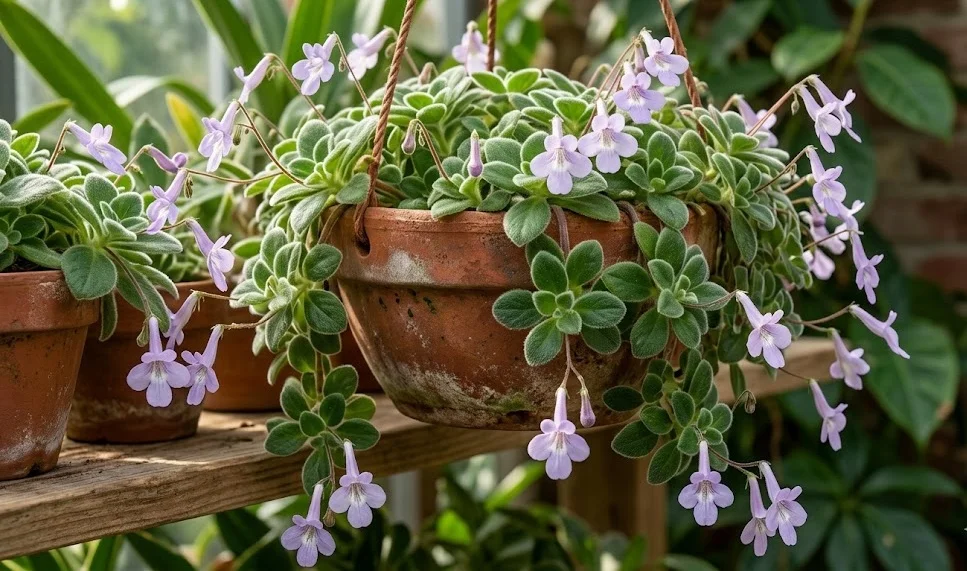

Caring for the false African violet requires a delicate balance of attention and understanding of its unique biological heritage. This charming plant brings a splash of violet-blue color to any indoor garden or patio space with its cascading stems and velvety leaves. To ensure its health, gardeners must master the nuances of its specific growth cycle throughout the varying seasons of the year. High-quality maintenance is not just about survival but about encouraging a prolific display of flowers that can last for several months.
The foundation of successful cultivation begins with selecting the right placement within your home or garden environment. These plants are native to the wooded areas of South Africa where they enjoy dappled sunlight and consistent temperatures. Recreating this microclimate is essential for preventing stress and promoting the vigorous development of its foliage. If the environment is too harsh, the plant will quickly show signs of distress through leaf discoloration or wilting.
Humidity levels play a crucial role in maintaining the turgidity of the leaves and the vibrancy of the blooms. While these plants appreciate moisture in the air, they are highly sensitive to stagnant conditions or excessively wet foliage. Providing adequate ventilation around the plant prevents the development of fungal pathogens that often plague soft-stemmed species. A small humidifier or a pebble tray can be used to boost ambient moisture without drenching the plant directly.
Consistency is the hallmark of a professional approach to gardening when dealing with this particular species. Sudden shifts in the care routine can cause the plant to drop its buds or cease flowering entirely. Establishing a weekly inspection schedule allows you to identify minor issues before they become systemic problems. Through careful observation, any enthusiast can learn to read the subtle signals that the plant provides regarding its well-being.
Environmental requirements and temperature management
Temperature stability is one of the most critical factors for the long-term success of this delicate perennial. It thrives in conditions that humans typically find comfortable, ranging from moderate warmth during the day to slightly cooler nights. You should aim to maintain a daytime temperature between twenty and twenty-five degrees Celsius for optimal metabolic function. Exposure to extreme heat can lead to rapid transpiration, causing the plant to lose its structural integrity and collapse.
More articles on this topic
During the night, a slight drop in temperature can actually benefit the plant by mimicking its natural habitat. It is best to avoid placing the pot near drafty windows or air conditioning vents that cause sharp fluctuations. Cold shocks are particularly dangerous as they can damage the root system and halt the flowering process for several weeks. Keeping the plant in a protected area ensures that it remains productive and visually appealing throughout the growing season.
Seasonal changes necessitate a shift in how we manage the internal environment surrounding the plant. In the height of summer, providing shade during the hottest part of the day prevents the leaves from scorching. Conversely, as winter approaches, moving the plant away from cold glass surfaces is a wise precaution for every gardener. Monitoring the temperature with a simple thermometer can provide the data needed to make these essential adjustments.
Protecting the plant from external stressors also involves managing the air quality in the vicinity. Avoid placing the false African violet near kitchen areas where grease or smoke might coat the leaves and block their pores. Similarly, keeping it away from heavy traffic areas prevents accidental physical damage to its brittle stems. A stable, quiet corner with good air circulation is the ideal sanctuary for this species to flourish.
Selecting the ideal growing medium
The choice of soil is a fundamental decision that dictates the drainage and nutrient availability for the roots. A specialized mix designed for African violets or gesneriads is usually the most effective option for beginners and experts alike. This medium typically contains a high proportion of peat moss or coco coir combined with perlite or vermiculite. Such a composition ensures that the roots remain aerated while still having access to necessary moisture levels.
More articles on this topic
Avoid using standard garden soil which is often too heavy and can become compacted within the confines of a pot. Compaction leads to poor drainage, which is the primary cause of root rot in these sensitive species. The soil should feel light and springy to the touch, even when it is damp from a recent watering. Adding a small amount of charcoal to the mix can also help in keeping the medium fresh by absorbing impurities.
Pot selection is equally important as the soil itself when considering the plant’s overall health. Since this species has a relatively shallow and delicate root system, shallow pots or hanging baskets are often preferred over deep containers. Ensuring that the pot has multiple drainage holes is a non-negotiable requirement for any serious grower. Excess water must be able to escape freely to prevent the substrate from becoming waterlogged and anaerobic.
When repotting, it is essential to handle the root ball with extreme care to avoid mechanical damage. The best time for this task is in early spring when the plant is beginning its active growth phase. Choose a container that is only slightly larger than the previous one to prevent the soil from staying wet for too long. Firm the soil gently around the base but avoid pressing so hard that you crush the delicate root structures.
Seasonal maintenance routines
Throughout the spring and summer months, the plant enters a period of intense activity and beauty. During this time, the focus should be on supporting the rapid production of new leaves and flower stalks. Regular deadheading, which involves removing spent flowers, encourages the plant to direct its energy into new blooms. This simple task not only keeps the plant looking tidy but also extends the total duration of the flowering season.
As the days begin to shorten in autumn, the plant naturally prepares for a period of slower growth. You should gradually reduce the frequency of maintenance tasks to align with this biological slowdown. It is important to resist the urge to force growth during the darker months with excessive light or warmth. Respecting this natural cycle is the key to ensuring the plant remains vigorous for many years to come.
Winter care is primarily about preservation rather than growth, requiring a more hands-off approach. The goal is to keep the plant alive and healthy until the returning light of spring triggers a new cycle. Check the plant periodically for any signs of pests that might take advantage of the drier indoor air. Keeping the foliage clean by gently brushing away dust helps the plant maximize the limited sunlight available during this time.
Reintroducing more intensive care in late February or March should be done slowly and deliberately. Begin by slightly increasing the amount of water provided and checking if the plant needs a fresh layer of soil. If the stems have become too long or leggy over the winter, this is the perfect time for light shaping. Watching for the first signs of new green growth is one of the most rewarding moments for any dedicated gardener.
Maximizing the flowering potential
The stunning display of flowers is undoubtedly the main attraction of this particular species for most collectors. Achieving a constant succession of blooms requires careful management of both light and nutrient levels. If the plant is not flowering, it is often a sign that it is not receiving enough bright, indirect sunlight. Adjusting its position by even a few feet can sometimes make a significant difference in its reproductive output.
Nutrient availability is the second pillar of a successful flowering strategy for the false African violet. Using a fertilizer that is high in phosphorus will support the development of flower buds rather than just green leaves. However, it is vital to apply these nutrients at a diluted strength to avoid burning the sensitive roots. A “weakly, weekly” approach is often more effective than providing large doses of fertilizer at longer intervals.
The age of the plant also influences its ability to produce a large volume of flowers over time. While young plants are often very energetic, older specimens may benefit from being rejuvenated through propagation or heavy pruning. Keeping the plant compact and well-branched increases the number of potential sites where flower stalks can emerge. Regular maintenance ensures that the plant does not become exhausted by over-flowering in a single season.
Temperature drops can sometimes trigger a flush of new flowers if the plant has been dormant for a while. However, these changes must be controlled and not result in actual freezing temperatures which would be fatal. Many growers find that a slightly cooler room in the early spring helps set the stage for a spectacular summer show. Patience is required, as the plant will bloom in its own time once all its basic needs are met.
General hygiene and plant health
Maintaining a clean environment around your plants is a professional habit that prevents many common problems. Fallen leaves or spent blossoms should be removed immediately from the surface of the soil to prevent decay. These organic materials can become breeding grounds for mold or attract unwanted insects if left unattended. A tidy pot is often a healthy pot, and the visual improvement is an added bonus for the gardener.
Wiping the leaves occasionally with a soft, dry brush can help remove dust that interferes with photosynthesis. Because the leaves are covered in fine hairs, you should avoid using wet cloths or leaf shine products which can clog the stomata. This manual cleaning process also gives you an opportunity to inspect the undersides of the leaves for any early signs of trouble. It is a peaceful task that strengthens the connection between the grower and the plant.
The health of the root system can often be inferred by the condition of the top growth above the soil. If the leaves appear dull or lose their firmness despite adequate watering, it may be time to inspect the roots. Gently lifting the plant out of its pot reveals the color and texture of the roots, which should be white and firm. Any brown or mushy areas indicate a need for immediate intervention and a change in the watering strategy.
Quarantining new additions to your collection is a standard practice for experienced horticulturists. Before placing a new Cape primrose near your established plants, keep it in a separate room for at least two weeks. This period allows any hidden pests or diseases to manifest without risking the health of your entire indoor garden. This disciplined approach saves a significant amount of time and effort in the long run by preventing outbreaks.
Long term growth and development
As the years pass, the false African violet can grow into an impressive specimen with dozens of cascading stems. It is a rewarding journey to watch a small cutting develop into a mature, floriferous plant that anchors a collection. To maintain this growth, you must be willing to adapt your care as the plant increases in size and complexity. Larger plants may require more frequent attention to their water needs due to their increased leaf surface area.
Structural integrity becomes a concern as the stems grow longer and heavier with the weight of many leaves and flowers. Using small supports or allowing the plant to trail naturally from a high shelf can help manage its physical form. If the center of the plant becomes too thin or bare, it may be time to take cuttings and start fresh. This cycle of renewal is a natural part of gardening and ensures that you always have vibrant plants.
Sharing the success of your gardening efforts with others is one of the joys of working with this species. Because it is so easily propagated, it makes an excellent gift for friends or family members who appreciate beauty. Seeing your plants thrive in different environments can provide valuable insights into the versatility of the species. It fosters a sense of community among plant lovers who can exchange tips and experiences.
Ultimately, the care of this plant is an ongoing learning process that rewards observation and consistency. Every specimen has its own personality and may respond slightly differently to the conditions in your specific home. By providing the right foundation of light, soil, and water, you create an environment where nature can truly shine. The result is a stunning living sculpture that brings joy and tranquility to your daily life.