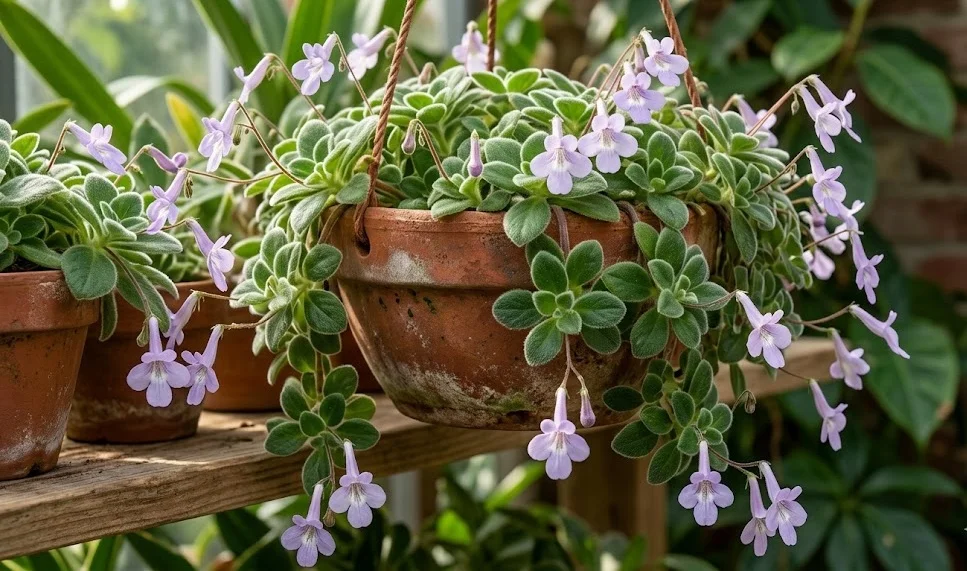

Lighting is the most influential factor in determining whether a Cape primrose will simply survive or truly flourish in a home environment. As a species that naturally inhabits the shaded understory of South African forests, it has evolved to thrive in bright, filtered light rather than direct, harsh sun. Finding the perfect “sweet spot” for illumination is the primary challenge for any gardener looking to maximize the plant’s flowering potential. Proper light management ensures vibrant leaf color, compact growth, and a continuous supply of the signature violet-hued blooms.
The ideal light for this plant is often described as “bright indirect sunlight,” which can be found near north or east-facing windows. In these locations, the plant receives plenty of ambient light without the intense heat and UV rays of the afternoon sun. If the only available space is a south or west-facing window, a sheer curtain should be used to diffuse the light and protect the sensitive foliage. A professional approach involves observing the plant throughout the day to see how the light moves across its leaves.
The duration of light exposure is just as important as the intensity for triggering the flowering process. For the best results, the plant should receive between twelve and fourteen hours of bright light each day during the peak growing season. During the shorter days of winter, the plant will naturally slow its production, which is a normal part of its annual cycle. If you live in a region with very dark winters, supplementing with artificial lights can help maintain the plant’s health and prevent it from becoming dormant.
Visual cues from the plant are the best way to determine if its current lighting situation is adequate. Healthy leaves should be a deep, rich green and grow in a tight, attractive rosette or cascading pattern. If the stems are reaching toward the light and the leaves are becoming pale and spaced far apart, the plant is telling you it needs more illumination. Conversely, if the leaves develop brown, crispy spots or a bleached appearance, it is likely receiving too much direct sun and needs more shade.
Adapting to seasonal light changes
As the earth tilts and the seasons change, the angle and intensity of the sun entering your home will shift significantly. A spot that was perfect in the spring might become too dark in the autumn or too bright in the height of summer. An expert gardener remains attentive to these changes and is prepared to move their plants to different locations as needed. This flexibility is key to maintaining a consistent growth rate and preventing seasonal stress on the plant’s delicate tissues.
More articles on this topic
During the summer months, the sun is higher in the sky and the light is much more intense, even on cloudy days. You may need to move your Cape primrose a few feet away from the window or provide more heavy shading during the hottest hours. This prevents the “greenhouse effect” where heat builds up behind the glass and scorches the plant. Monitoring the temperature of the leaves themselves can help; they should feel cool to the touch, never hot or warm.
In the winter, the challenge is reversed as the sun stays low on the horizon and the day length is greatly reduced. You should move your plants as close to the light source as possible without allowing them to touch the cold glass. Cleaning the windows and dusting the plant’s leaves are simple but effective ways to maximize the limited light available during this time. Every bit of extra light helps the plant maintain its chlorophyll levels and stay healthy until the return of spring.
For those using artificial grow lights, the change in seasons is an opportunity to adjust the timer to match the natural cycles. While you can keep the light duration constant to force growth, many growers find that a slightly shorter “day” in the winter is beneficial. This allows the plant a period of rest, which often leads to a more spectacular explosion of flowers when the light is increased in the spring. Using a programmable timer takes the guesswork out of this process and ensures a consistent environment.
Troubleshooting light-related growth issues
“Legginess” is the most common problem caused by insufficient light, where the plant grows tall and thin in an attempt to reach a light source. This not only makes the plant look unattractive but also weakens its structural integrity, making the stems prone to breaking. If you notice this happening, the best solution is to move the plant to a brighter location and consider a light pruning to encourage bushier growth. The new growth that emerges in better light will be much stronger and more compact.
More articles on this topic
Lack of flowering is another major symptom of poor lighting conditions, even if the leaves themselves appear relatively healthy. The plant requires a certain threshold of light energy to produce the complex hormones needed for bud development. If your Cape primrose has not bloomed in several months despite being well-fed and watered, try increasing its light exposure. Often, just a small increase in brightness can be the trigger that starts a new cycle of flowering.
On the other end of the spectrum, light-induced stress can cause the leaves to curl downward or turn a dull, yellowish-brown. This is the plant’s way of trying to protect its internal tissues from excessive radiation and heat. If you see these signs, it is important to provide immediate shade and check the soil moisture, as high light often leads to faster evaporation. A stressed plant is more susceptible to pests and diseases, so resolving lighting issues should be a top priority.
Consistency in lighting is important for the plant’s overall stability and beauty. Suddenly moving a plant from a dark corner to a bright window can cause “light shock,” resulting in leaf drop or severe wilting. It is always better to transition the plant gradually over a period of several days to allow its cells to adapt to the new light levels. This gentle approach ensures that the plant continues to thrive as you search for its ultimate permanent home.